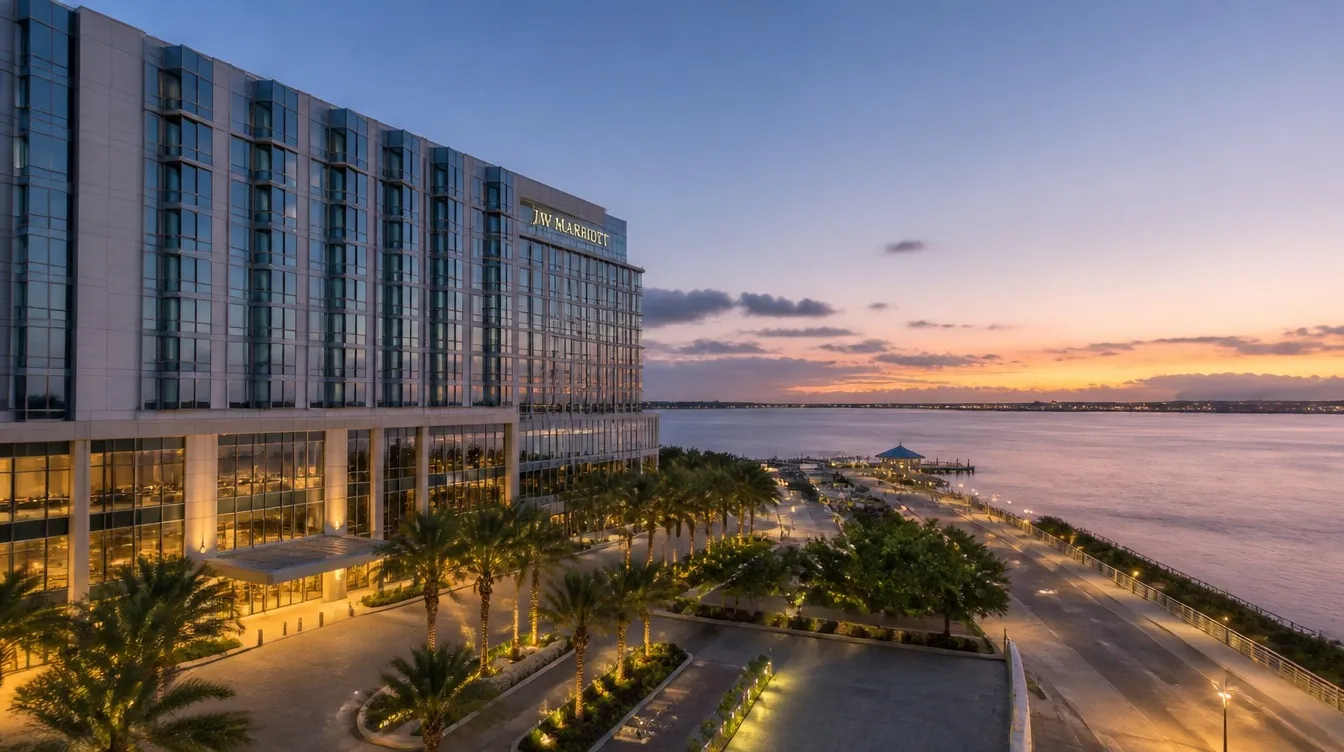
Tampa's commercial furniture market spans more ground than most buyers expect when they first start sourcing. A convention hotel near the waterfront needs case goods and lobby seating that hold up through sustained group traffic. A Cuban restaurant in Ybor City needs pieces with warmth and character that belong in a 19th-century brick building. A waterfront restaurant on Channelside needs outdoor seating rated for Gulf Coast humidity and sun. A healthcare facility-adjacent hotel serving Tampa General and BayCare visitors needs clean, durable, easy-maintenance furniture that reads as professional rather than clinical. One city, four very different contexts and all of them need a commercial furniture supplier Tampa FL that can actually serve the full range rather than one narrow segment of it.
What Separates a Commercial Supplier from a Retail Vendor
The distinction matters in practice, not just in name. A commercial furniture supplier is built around contract specifications, hospitality project workflows, and the documentation and support infrastructure that commercial purchasing requires. A retail vendor with a "business" catalog section is not the same thing, regardless of what the product photos show.

Commercial suppliers carry BIFMA test data on structural ratings, fire certifications required for Florida commercial occupancy, and warranty terms that explicitly cover commercial use rather than quietly excluding it. They can produce COM programs customer's own material where you select a specific fabric or leather and the manufacturer upholsters to that spec. They have COM minimums and lead time implications that they can tell you honestly before you commit to a material direction. They understand freight coordination into Tampa's market, know whether they have a regional warehouse or an established carrier relationship in the area, and can give you a delivery window that is honest rather than optimistic.
None of those capabilities are guaranteed by the presence of the word "commercial" on a website. Ask for specifics: lead times in writing, COM program details, Florida fire certification documentation for any product going into a commercial occupancy, and references from Tampa-area hospitality projects. Suppliers who answer those questions confidently have been through the process before. Suppliers who get vague are telling you something about their actual capabilities.
Tampa's Market Segments and What Each One Needs
Tampa's hospitality market divides into segments with genuinely different furniture requirements, and a commercial furniture supplier serving the full market needs to understand each one rather than defaulting to a single approach.
The Convention Center corridor hotels along the waterfront, in the Channelside district, and in the downtown core is the highest-volume segment in the market. Properties here serve a mix of convention groups, business travelers from the financial services and healthcare sectors, and event crowds from Amalie Arena. Their furniture needs are practical first: durability, easy maintenance, consistent appearance across hundreds of rooms, lobby seating that handles group traffic without showing wear ahead of the next renovation cycle.
Ybor City is the market's most design-specific segment. The historic Latin Quarter's 19th-century brick architecture, Cuban and Spanish heritage, and thriving restaurant and entertainment scene create a design context that cannot be served by generic contemporary hospitality furniture. A commercial furniture supplier who cannot speak to warm wood tones, aged leather, wrought iron finishes, and the aesthetic requirements of a historic district property is not the right partner for Ybor City accounts. The suppliers who have placed furniture in Ybor City restaurants and boutique hotels understand that the neighborhood's character is an asset that the right furniture amplifies and the wrong furniture erases.
South Tampa and Hyde Park Village support a neighborhood dining and boutique hospitality market that values craft and warmth over volume and efficiency. Restaurants and small hotels here are competing on atmosphere and guest experience rather than convention group rates. Their furniture selections need to feel curated and intentional, which means suppliers who offer real design latitude COM upholstery, custom frame finishes, design-forward product lines rather than just a catalog with a lot of SKUs.
Westshore Business District hotels serve the professional class: defense and tech professionals connected to MacDill AFB, financial services executives, and healthcare system leadership. Professional, clean, and durable without institutional coldness is the right note for this segment, and the furniture selections that serve it are different from both the Ybor City aesthetic and the beachy Florida-casual look that does not belong in a business hotel regardless of the climate.
The Outdoor Category: Non-Negotiable in Tampa
No Tampa commercial furniture conversation is complete without a serious discussion of outdoor and semi-outdoor product. The Gulf Coast's near-year-round outdoor hospitality season means outdoor furniture here is doing sustained commercial work not seasonal weekend use and the climate specs required to survive that are significantly higher than what most indoor-only commercial products provide.
The material requirements for Tampa outdoor hospitality furniture are clear: powder-coated aluminum frames with a minimum 60-micron coat thickness, stainless or marine-grade fastener hardware, solution-dyed acrylic upholstery for any cushioned outdoor pieces, and tabletop materials compact laminate, HPL, or resin that handle sustained UV exposure and Gulf Coast humidity without degrading. A commercial furniture supplier who cannot spec these materials is not actually set up to serve Tampa's outdoor hospitality category, which represents a significant share of total commercial furniture spend in the market.
Cruise traveler volume adds a dimension that does not exist in most markets. Port Tampa Bay's position as one of the top departure ports in the United States means that hotel pool decks, lobby outdoor areas, and waterfront terraces see sustained use from cruise-oriented guests who are spending meaningful time at the property before and after departure. That use pattern adds to the commercial stress on outdoor pieces in ways that a supplier without Tampa market knowledge may not anticipate.
Lead Times and Procurement Realities for Tampa Buyers
Buyers new to commercial furniture procurement often underestimate lead times. The expectation from retail purchasing order it, receive it in a week or two does not apply to contract furniture. Custom upholstered pieces typically run 10 to 16 weeks from order confirmation. Add specification review and sample approval before the order releases, and you are looking at four to seven months from the beginning of the sourcing process to furniture in place.
For Tampa specifically, this timeline needs to be mapped against the seasonal calendar. A restaurant on Seventh Avenue in Ybor City that wants to be ready for the Gasparilla season rush in January needs furniture orders placed by August. A hotel renovating before the fall conference season needs to be in procurement by early spring. A waterfront venue refreshing its outdoor seating for the October-through-April hospitality peak needs to order before summer.
A commercial furniture supplier Tampa FL buyers can rely on will help with this planning rather than just quoting lead times and leaving the calendar math to the customer. The planning conversation what is your target date, what does your production window look like, where are the risks in your timeline is something experienced suppliers do as a matter of course. If a supplier is not initiating that conversation, ask for it. The answer tells you whether they have actually managed hospitality projects in this market or are learning the workflow on your account.
Evaluating Supplier Relationships for the Long Term
The most valuable commercial furniture supplier relationships in Tampa's hospitality market are not transactional they are ongoing. A supplier who knows your properties, understands your brand standards, and has your FF&E specifications on file is worth more than one who is starting fresh on every project.
Practical evidence of that relationship value shows up in reorders. A restaurant that breaks two chairs in a high-volume weekend needs to reorder exactly those chairs without going through a full sourcing process again. A hotel doing a partial renovation of its oldest wing needs to match the furniture in the rooms that were just renovated two years ago. These scenarios require a supplier with real account management someone who can pull your previous order, confirm lot availability, and move quickly without the full procurement cycle.
Ask suppliers about their reorder and account management capabilities before you commit to a sourcing relationship. The answer to that question predicts the quality of the relationship better than any product catalog review.
Tell us about your Tampa commercial furniture needs and we will turn your quantities, finishes, and timeline into a firm quote. Request a quote whenever you are ready to compare.