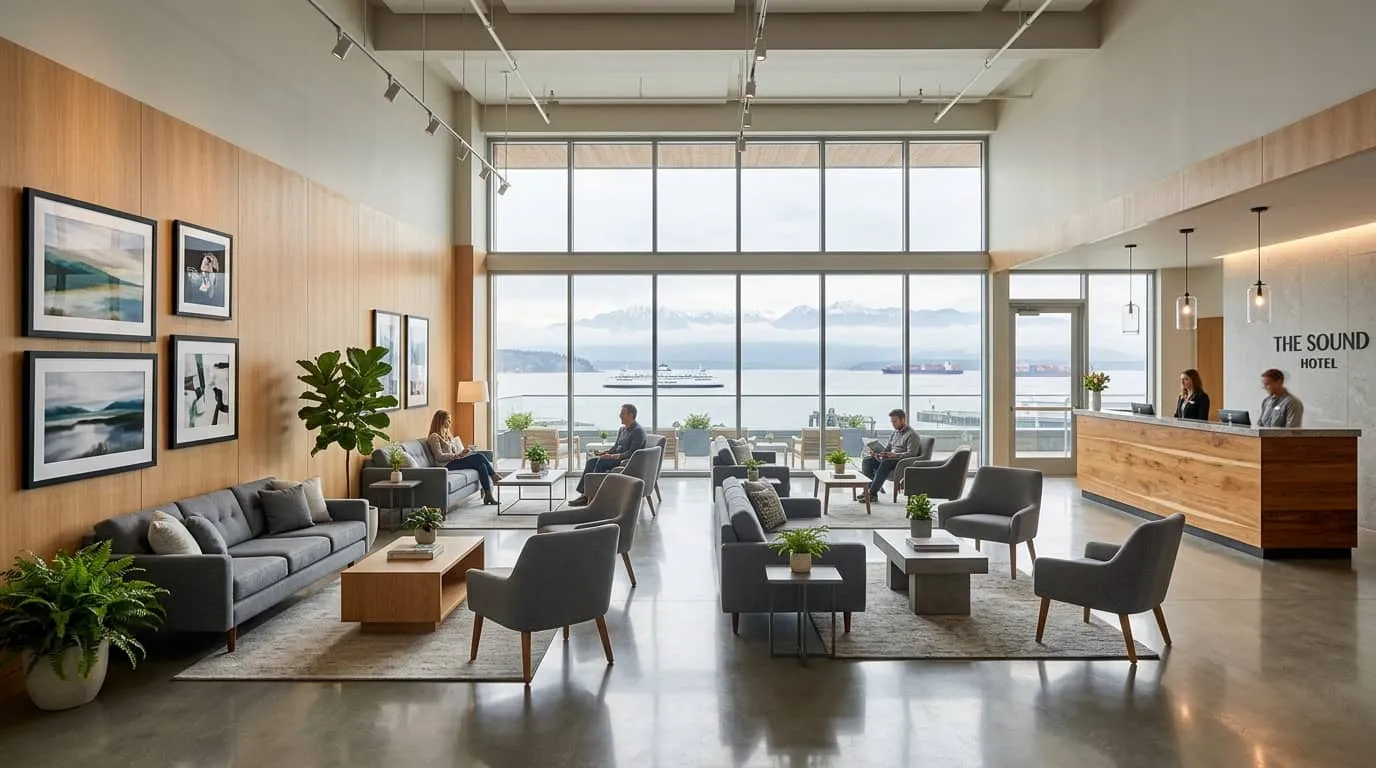
What "Contract-Grade" Actually Means for Seattle Operators
If you're furnishing a restaurant in Capitol Hill, a boutique hotel near Pike Place Market, or a corporate lounge in the Amazon and Microsoft tech corridor, you've likely encountered the term "contract-grade" and wondered whether it matters or whether it's just sales language. It matters significantly.
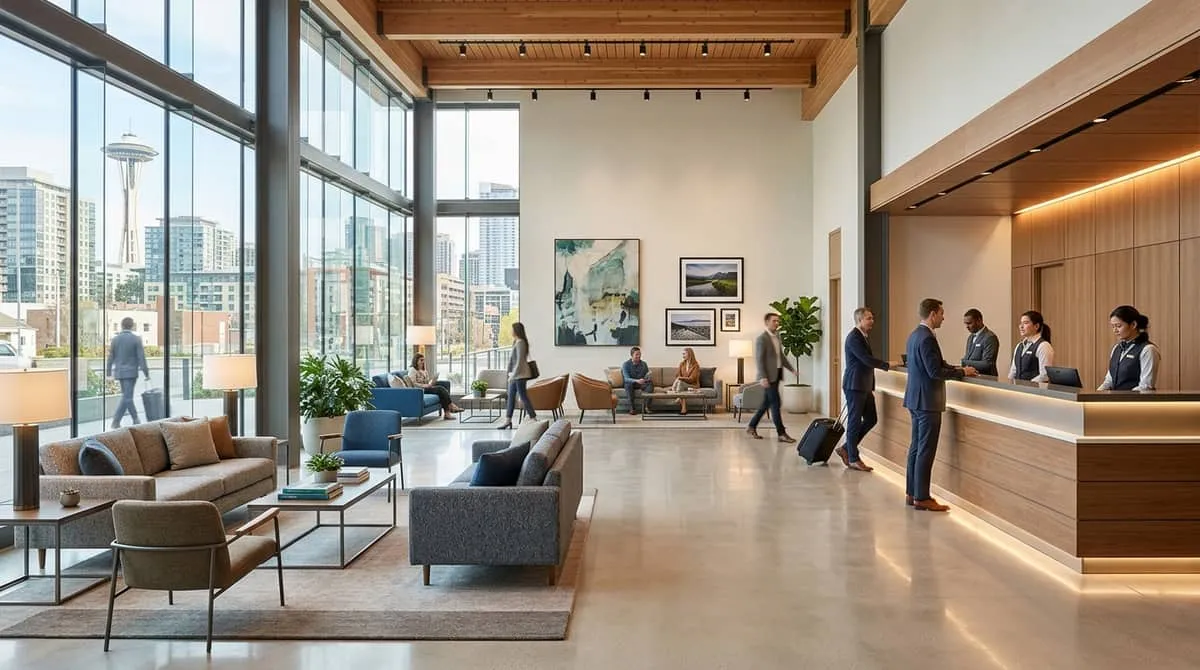
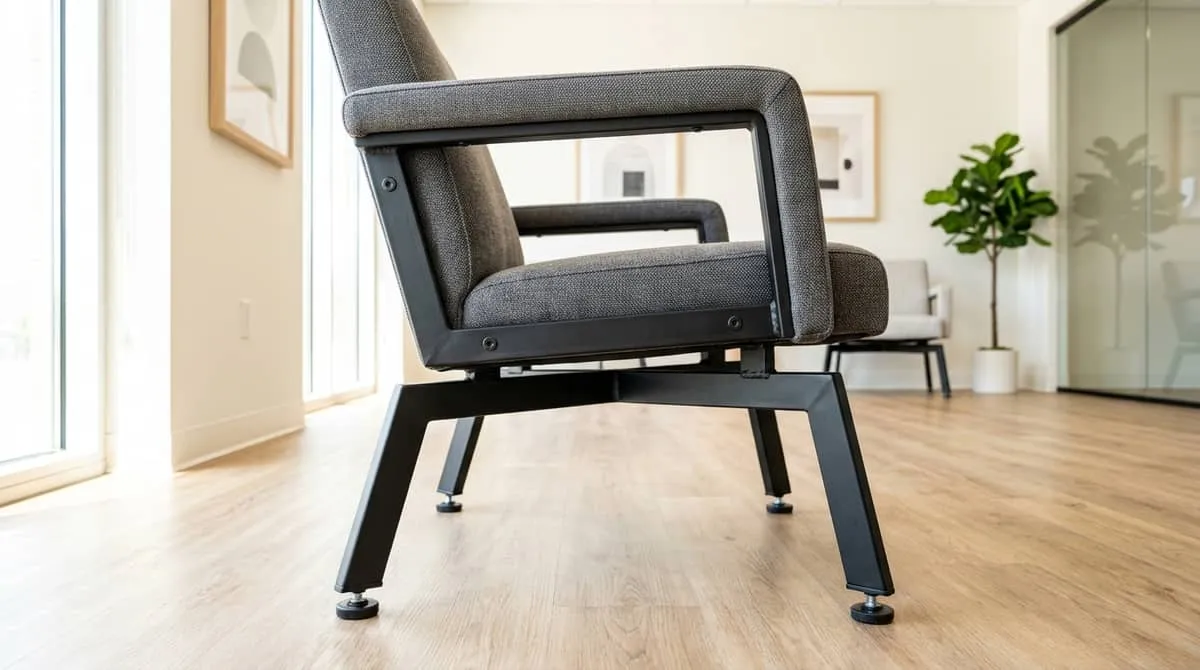
Contract-grade furniture is built to commercial performance standards, not residential ones. The distinction starts with the frame. A contract-grade chair will typically use kiln-dried hardwood or welded steel, reinforced joinery, and commercial-rated glides or casters. The fabric or upholstery is tested against ASTM and BIFMA standards for abrasion resistance measured in double-rubs with commercial minimums starting around 50,000 double-rubs for heavy use environments. A typical residential piece might test at 15,000 or less.
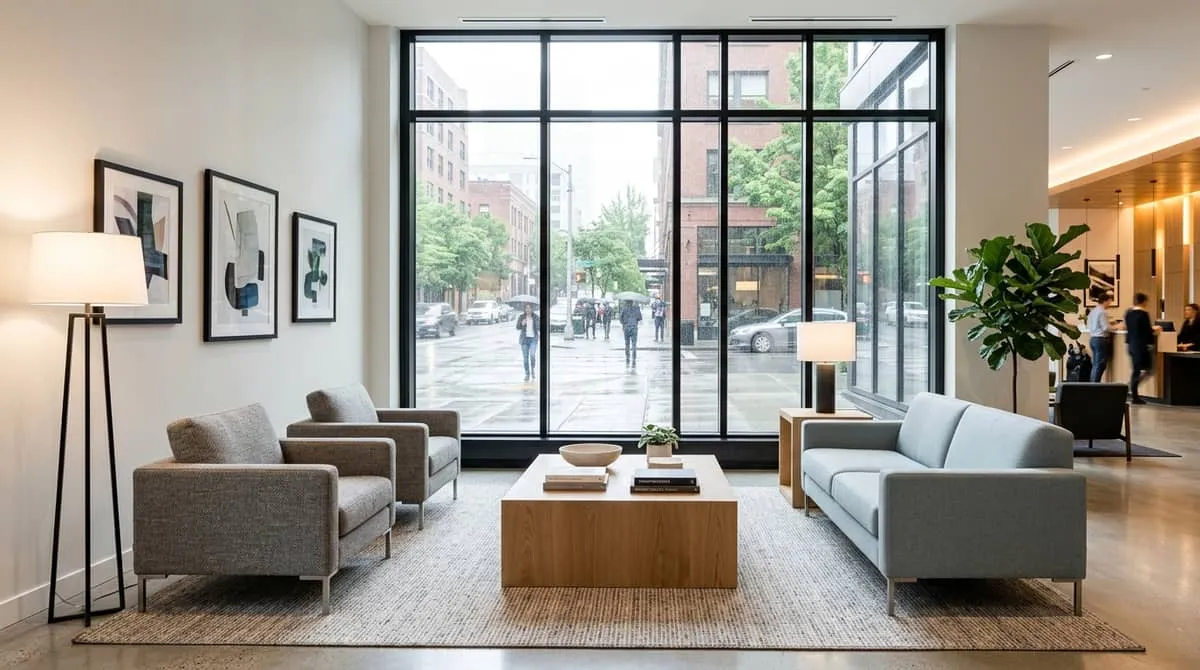
For your property specifically, this matters because Seattle's hospitality market is high-volume. A Ballard brewpub might turn the same four-top table 200 times a week. A South Lake Union hotel lobby sees continuous foot traffic from tech workers, conference attendees, and overnight guests cycling through every shift. Furniture that isn't engineered for that load will fail loose joints, cracked frames, fabric pills and tears and replacement costs compound quickly when you're swapping pieces every 18 months instead of every seven to ten years.
Contract-grade also affects liability. If a chair fails and a guest is injured, your insurer will ask whether the furniture met commercial standards. Residential pieces in a commercial setting create coverage gaps that most operators discover at the worst possible moment.
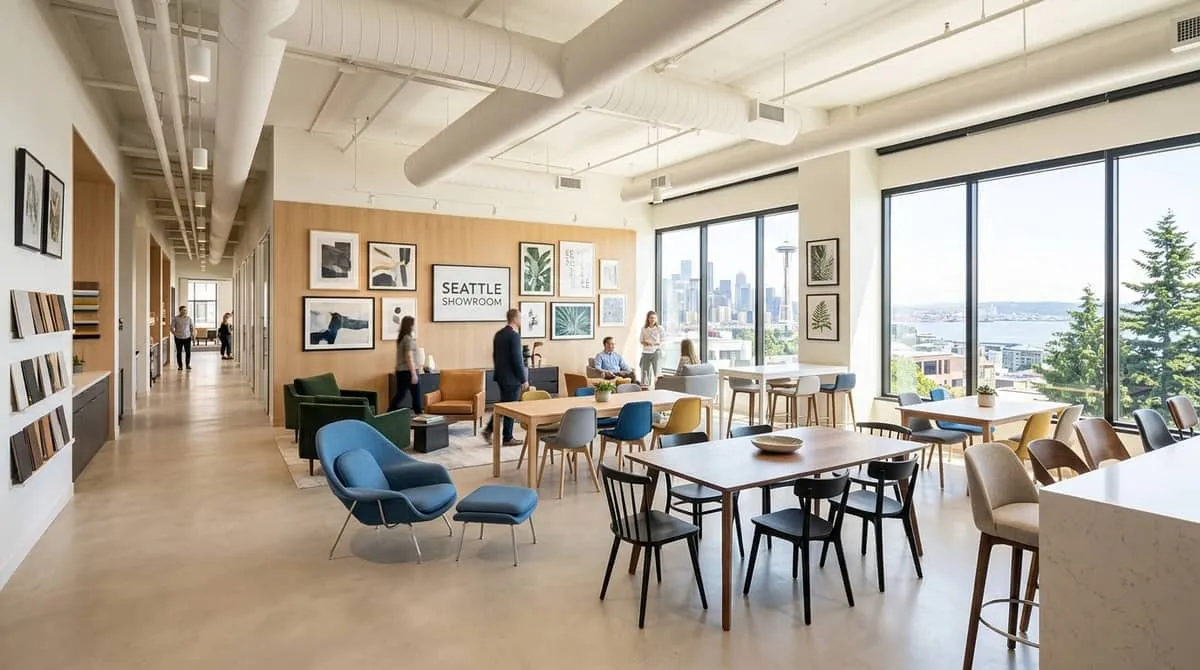
How to Evaluate a Commercial Furniture Supplier
Not all suppliers who sell to the trade operate at the same level. Before you commit to a vendor for a full property buildout or even a single dining room refresh, you need to evaluate them across several dimensions.
Lead time transparency. Seattle's geography creates real logistical complexity. Freight shipping to the Pacific Northwest means longer transit windows than Midwest or East Coast deliveries, and port congestion at Seattle-Tacoma can add unpredictable delays. Ask any supplier for their average lead time to Washington State specifically, not their general lead time, and ask how they communicate delays. A supplier who gives you 10-to-12-week estimates but can't tell you where your order is at week eight is not a reliable partner for a renovation project with a fixed opening date.
Sample program. Any reputable contract furniture supplier will send physical samples fabric swatches, finish chips, and ideally a sit sample or a single chair for evaluation. If a vendor is reluctant to provide samples before a large order, treat that as a warning sign. You need to evaluate how a piece holds up under actual use conditions in your space, under your lighting, before you place a full dining room or guest room order.
References from comparable properties. Ask for references not just from any customer, but from operators running similar venues. A supplier with strong references from Pacific Northwest restaurants and hotels has demonstrated they can execute in your market. Ask about post-delivery service, whether replacement parts are available, and how warranty claims are handled.
Certifications and testing documentation. Reputable suppliers can provide BIFMA test reports, fire code compliance documentation (California TB 117 is the de facto standard for upholstered commercial seating nationwide), and greenguard or similar certifications if indoor air quality is a concern for your project. If you're furnishing a meeting room at the Washington State Convention Center or a corporate amenity space in a LEED-certified building, you may need this documentation for the project record.
Minimum order requirements and stocking programs. Some suppliers require large minimums that don't work for smaller operators or phased buildouts. Others maintain in-stock programs on core SKUs that can ship within days. Understanding what's stocked versus custom-ordered helps you plan realistically.
What the Seattle Hospitality Market Specifically Requires
Seattle's market has particular demands that operators in other cities don't face to the same degree, and your furniture sourcing strategy should account for them directly.
Moisture and humidity tolerance. The Puget Sound climate means elevated humidity for a significant portion of the year. Patio and semi-outdoor furniture near waterfront venues think establishments along the waterfront, in Ballard near the marina, or anywhere with open-air access needs to be specified for that environment. Solid teak, powder-coated aluminum, and high-density polyethylene (HDPE) lumber are standard choices. Untreated wood and standard steel will fail faster in this climate than they would in drier markets. Even interior spaces with frequent door traffic in wet months should be specified with moisture-tolerant upholstery and frame materials.
Tech-worker expectations in corporate hospitality. South Lake Union and the broader tech corridor have created a category of hospitality user who expects lounge seating to support extended working sessions. This means furniture procurement for hotel lobbies, airport lounges, and corporate café spaces in these areas needs to account for power access, ergonomic sit depth, and surface height. A low-slung lounge chair that works well in a leisure-focused hotel bar is the wrong specification for a hotel lobby where half your guests are spending two hours on a laptop between meetings.
Volume and speed for high-turnover restaurant formats. Capitol Hill's density of independent restaurants, many of them small-format with under 60 seats, creates demand for compact, stackable, and quickly reconfigurable pieces. If your floor plan needs to flex between lunch service, happy hour, and a late-night format, the furniture has to support that. Look for stackable side chairs with a minimum 8-high stack rating, folding or nesting tables with commercial-grade hardware, and pieces light enough for a single server to move without a two-person lift.
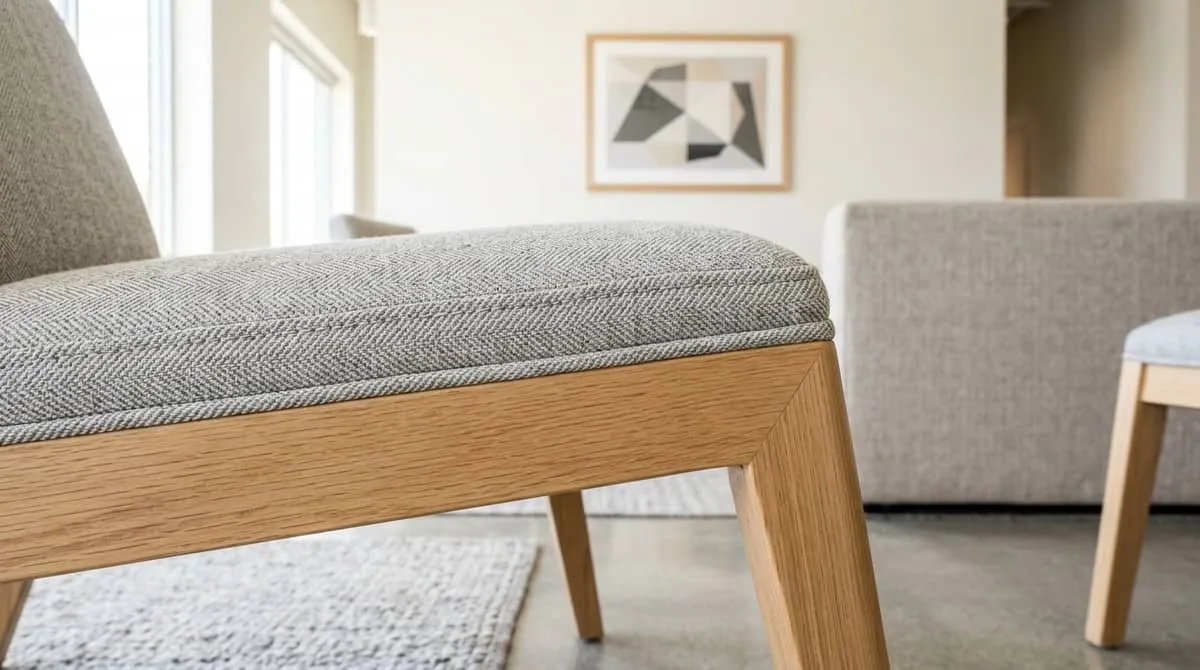
Aesthetic alignment with Pacific Northwest identity. This is less a structural requirement and more a commercial reality: Seattle guests have a strong regional aesthetic sensibility. Natural materials, muted earth tones, warm wood tones, and industrial-meets-organic design language perform well here. Overly corporate or generic hotel-spec looks can register as out of place, particularly in independent and boutique contexts. When you're evaluating suppliers, ask to see what they've placed in Pacific Northwest properties, not just their general catalog photography.
Every Seattle venue has its own volume, layout, and turnaround demands, and commercial furniture pricing follows from those specifics. Request a quote and we will scope it to your project.