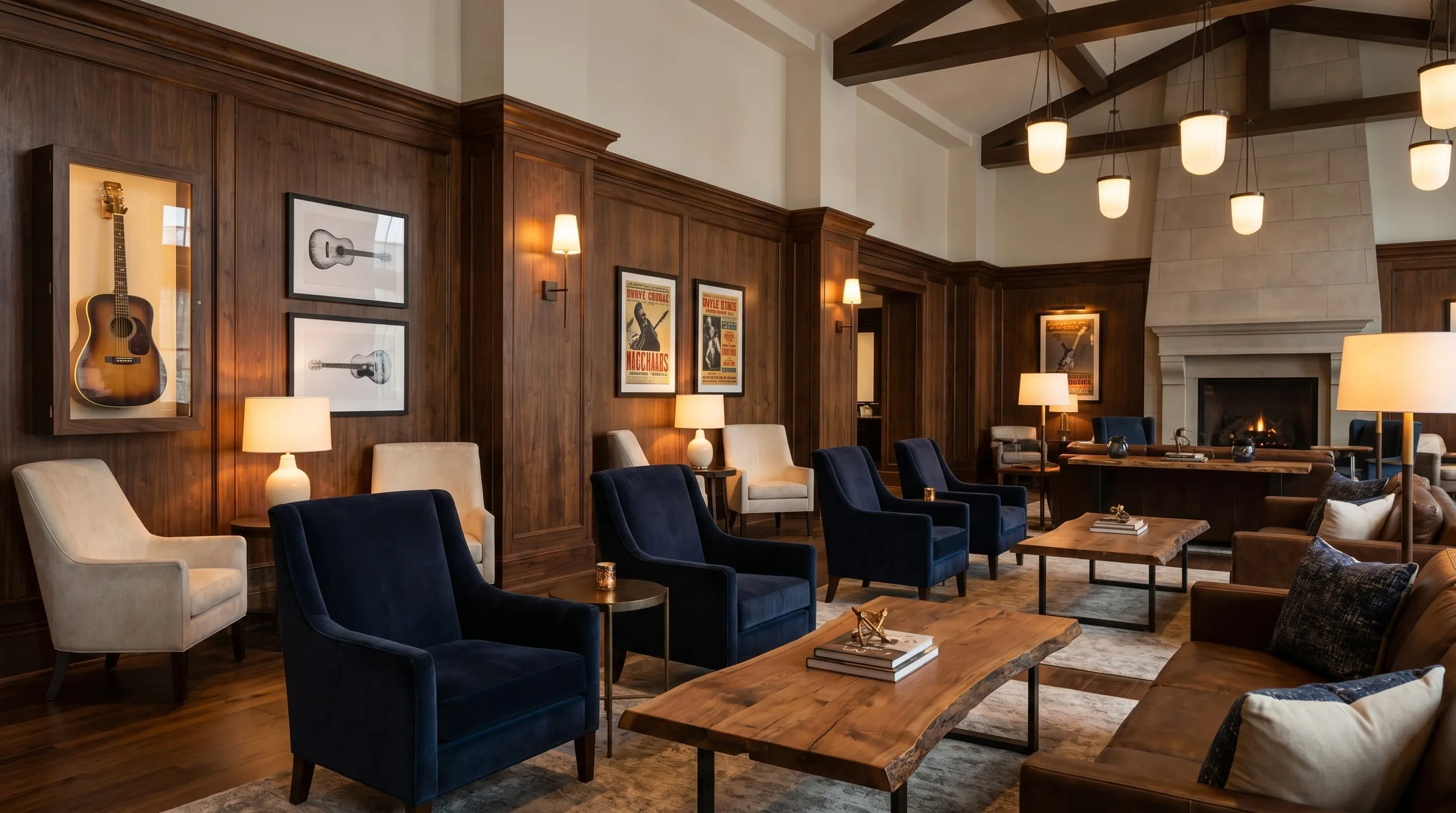
Nashville is in the middle of one of the biggest hospitality buildouts in the country. Cranes are up along SoBro. New hotel towers are opening near the Convention Center. The Gulch, East Nashville, and 12 South are adding restaurant concepts every quarter. And then there is Broadway, which never really slows down: honky tonks running from noon until 3am, packed with bachelorette groups, convention crowds, and tourists who have had this trip on the calendar for months. Every one of these venues needs furniture, and most of them need a lot of it. If you are opening or renovating a hospitality property here, getting your furniture sourcing right from the start is one of the most important calls you will make.
What Separates a Contract Supplier from a Retail Source
The term "contract furniture" gets thrown around a lot, but it has a real, specific meaning. A commercial furniture supplier Nashville operators should actually be working with sells products engineered for continuous commercial use: heavier frames, reinforced joinery, seat foams rated for tens of thousands of cycles, and finish systems that hold up under cleaning chemicals and daily punishment.
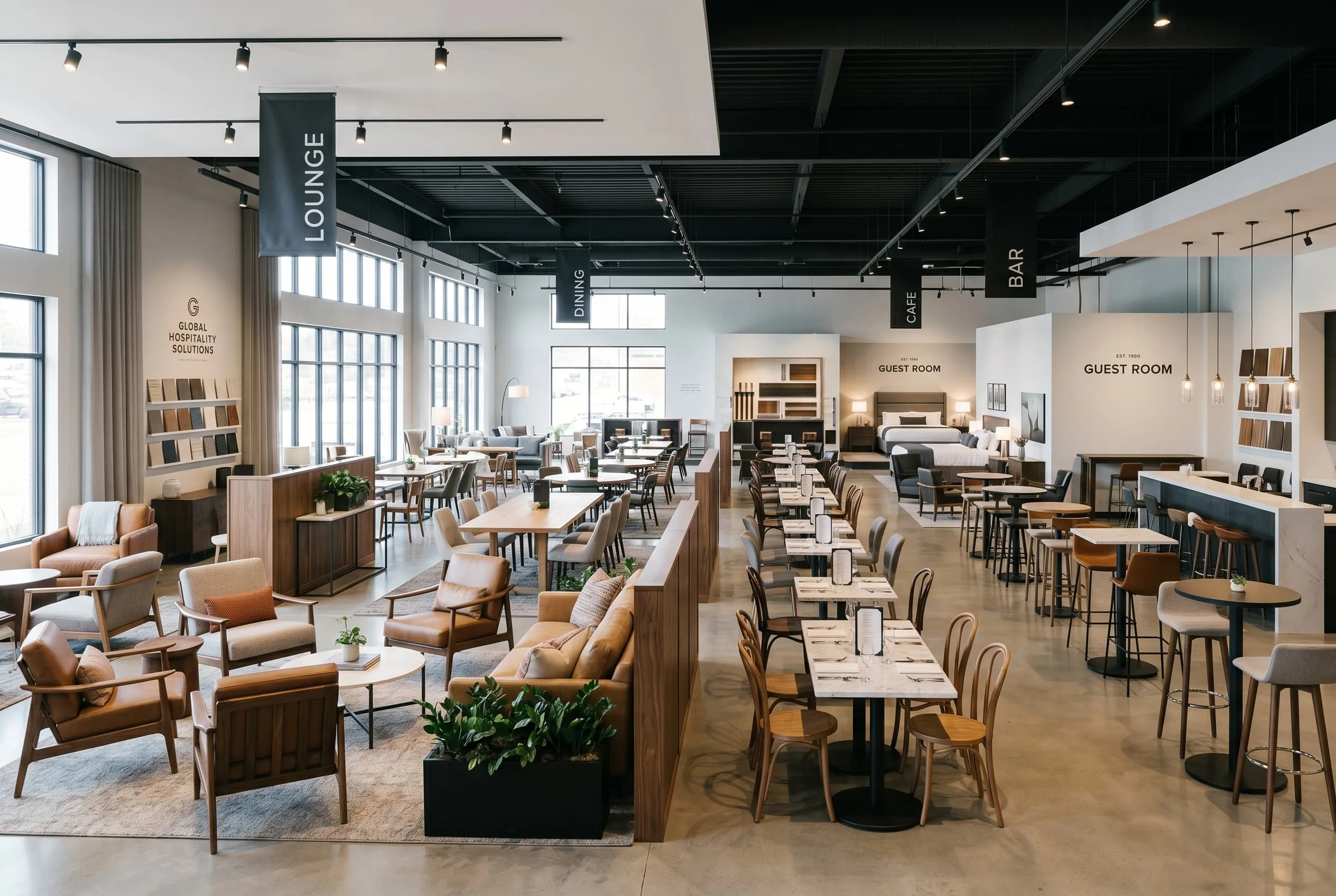
Retail furniture, including the stuff from big-box stores and online marketplaces that looks similar on the surface, is built to residential standards. That means foam density around 1.5 to 1.8 pounds per cubic foot, frames designed for occasional use, and upholstery that falls apart when you hit it with commercial cleaning products. In a Broadway bar seating 200 people a night, seven nights a week, retail furniture fails within a year. By the time you factor in replacement costs, you have spent more than contract-grade pieces would have cost you upfront.
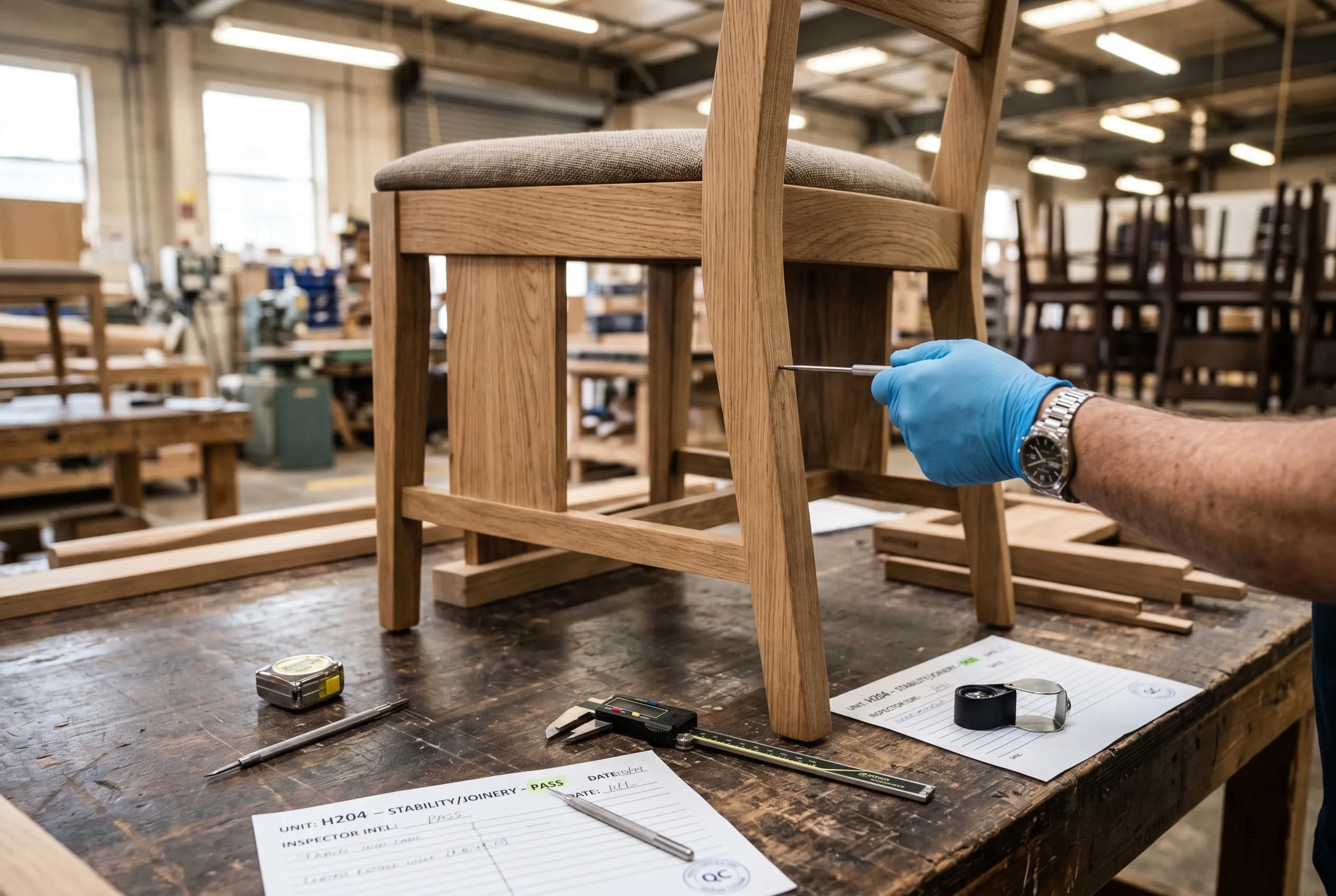
Contract suppliers also carry the certifications that matter for commercial installs: ANSI/BIFMA testing for seating and tables, fire codes for upholstery, and ADA compliance documentation. When your insurance carrier or the city inspector comes through, those certifications are what you need on file.
How to Evaluate a Commercial Furniture Supplier in Nashville
Not every supplier calling itself "commercial" delivers at the same level. When you are vetting a commercial furniture supplier in Nashville, here are a few things worth digging into before you commit.
First, push for honest lead times. Nashville's construction pace has suppliers stretched thin. A supplier telling you twelve weeks may actually mean sixteen. Get the real number early so your project timeline does not blow up at the finish line because furniture is stuck in a container somewhere.
Second, ask to see the product testing documentation. Reputable contract suppliers can hand you BIFMA test reports for their seating and table lines without blinking. If someone cannot produce those on request, pay attention to that signal.
Third, look at their actual project portfolio. Have they outfitted properties in comparable environments? A supplier who has done Broadway bars, rooftop venues in SoBro, or large hotels near the Convention Center knows the specific durability demands of this market. That experience shapes the recommendations they make, and it shows.
Finally, ask about warranty terms and post-delivery support. Defects happen in any large order. A supplier with real after-sale support handles those situations cleanly. One without it leaves you tracking down repairs and replacements on your own.
Pricing and the Ordering Process
Commercial furniture costs more than retail, and the gap is real. A contract-grade barstool runs anywhere from $180 to $600 depending on materials, construction, and customization. A restaurant side chair might run $150 to $400. For a venue outfitting 150 to 300 seats, that adds up fast.
The right way to think about it is cost per use. A contract barstool built to handle 100,000 use cycles over five or more years costs you less per guest served than a retail piece you are replacing every eighteen months. Nashville's volume venues, especially anything on or near Broadway, will hit that use threshold faster than almost anywhere else in the country.
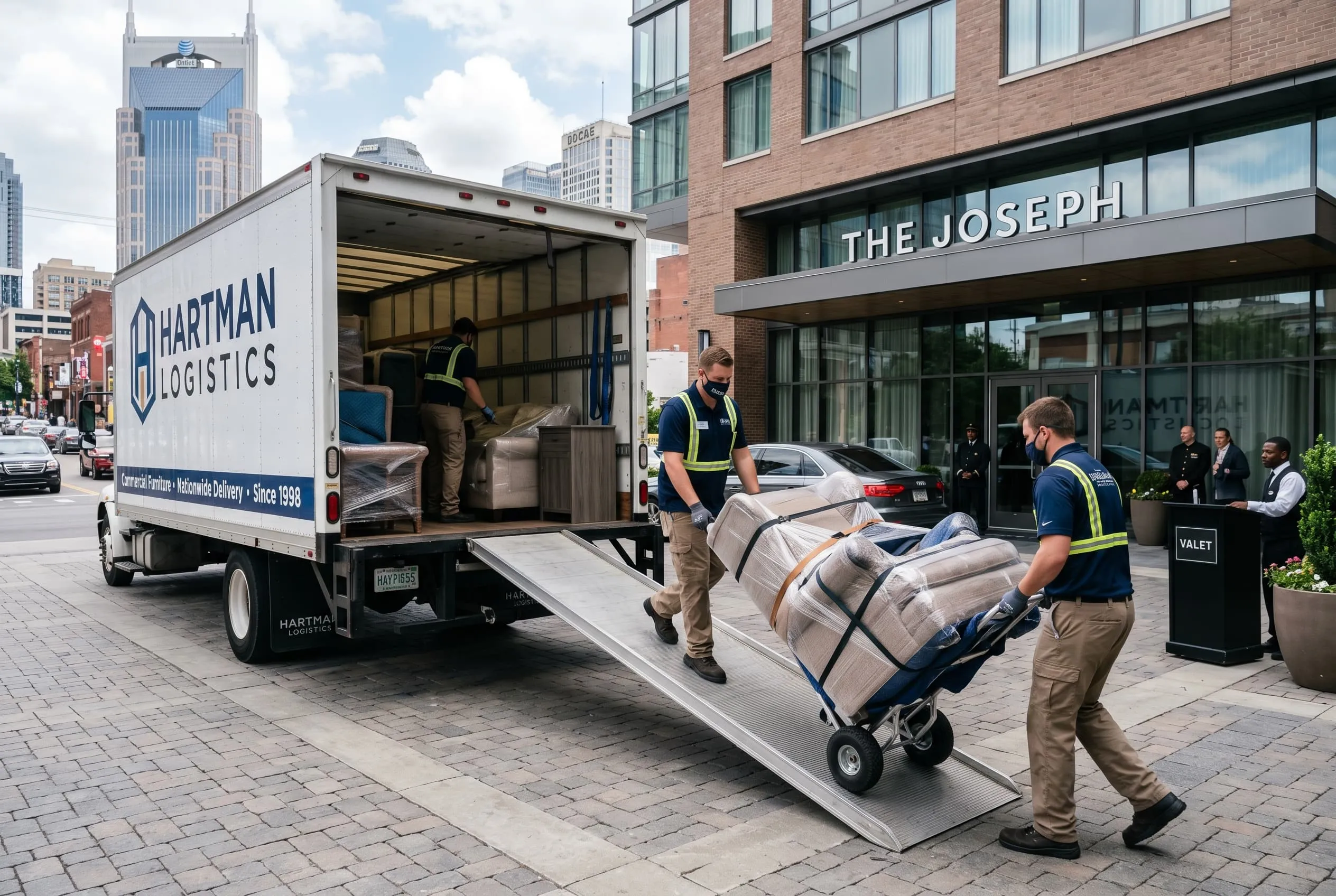
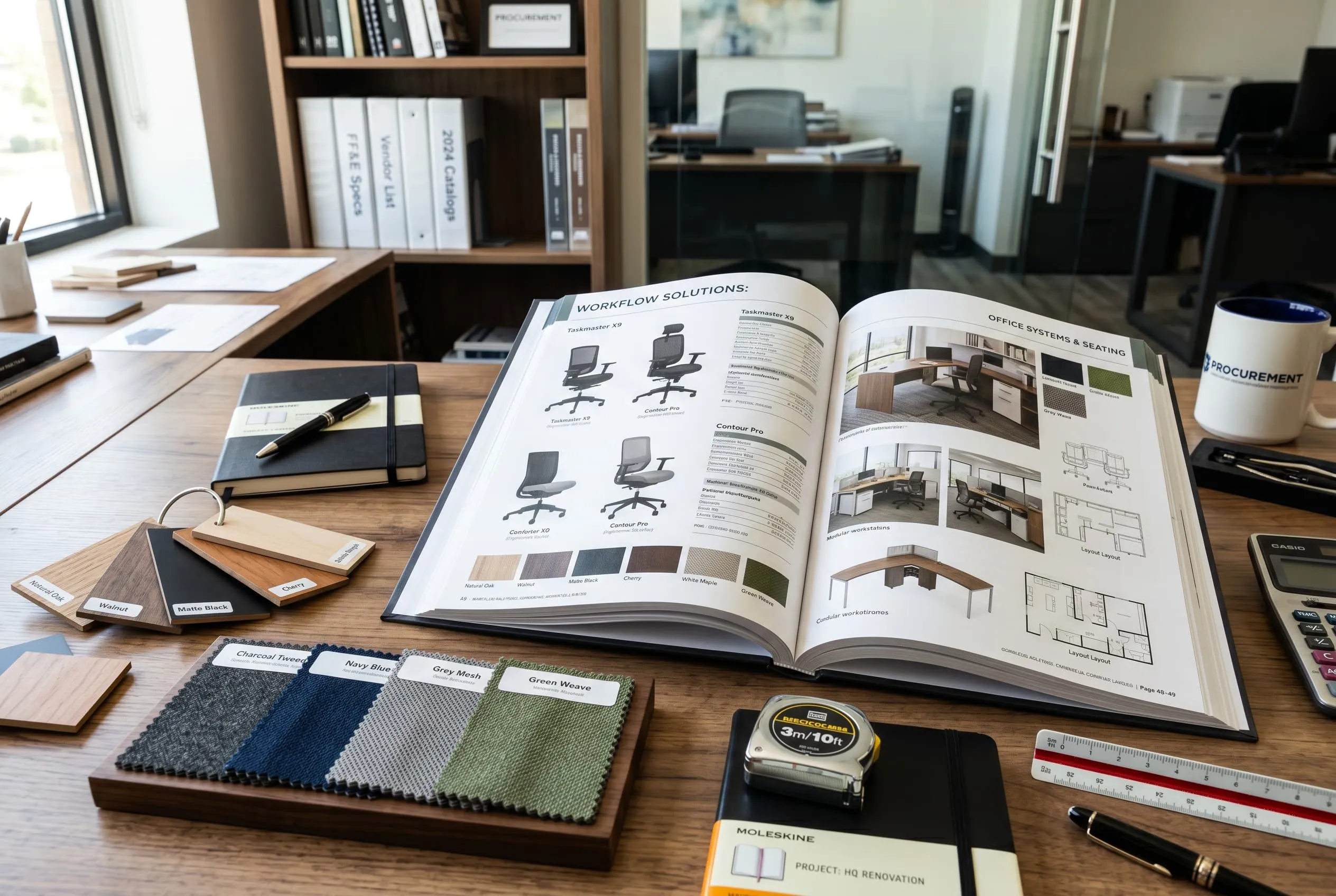
The ordering process with a true commercial furniture supplier in Nashville follows a pretty predictable path. You start with a site plan and seating count. The supplier puts together a quote covering lead time, freight, and any customization costs for COM fabric, custom finishes, or branded upholstery. You approve samples before the full order goes into production. Delivery gets coordinated with your general contractor or project manager, and some suppliers offer white glove installation as part of the package.
For larger hotel projects, FF&E procurement often runs through a purchasing agent sitting between the owner, the designer, and the supplier. If that is your structure, make sure your supplier has experience in that model, because the approval chain and documentation requirements are very different from a direct restaurant order.
What Nashville Operators Specifically Need to Know
The Nashville market has a few things going on that should shape what you order. The bachelorette tourism economy means high-top tables and barstool seating are in constant demand at volume venues, and those pieces take more abuse than almost anything else in the furniture world. Welded steel frames and double-dowel joinery are baseline requirements for anything going into a Broadway property.
The farm-to-table dining scene in neighborhoods like East Nashville and 12 South calls for a completely different aesthetic: natural materials, warm wood tones, upholstered banquette seating, and a vibe that reads independent and local rather than corporate. Good contract suppliers serving this segment carry dining chairs and tables with exactly those aesthetics, just built to commercial standards underneath where it counts.
Rooftop bars, and there are a lot of them in SoBro and Midtown right now, need outdoor-rated furniture: powder-coated aluminum frames, solution-dyed acrylic fabrics, and pieces engineered for UV and humidity exposure. Not every commercial furniture supplier in Nashville serves this category equally well. Ask specifically about outdoor collections and get the warranty terms for outdoor use in writing before you commit.
Your venue type, neighborhood, and guest profile should be driving every furniture decision you make. A commercial supplier who asks the right questions about your operation before making recommendations is one worth building a long-term relationship with.
When you are ready to source furniture for a Nashville hospitality project, working with a supplier who understands both the local market and contract-grade construction is what protects your investment over the long run. The right commercial furniture supplier in Nashville makes the process straightforward: honest lead times, documented quality standards, and products that hold up through years of heavy use.
Tell us about your Nashville commercial furniture needs and we will turn your quantities, finishes, and timeline into a firm quote. Request a quote whenever you are ready to compare.