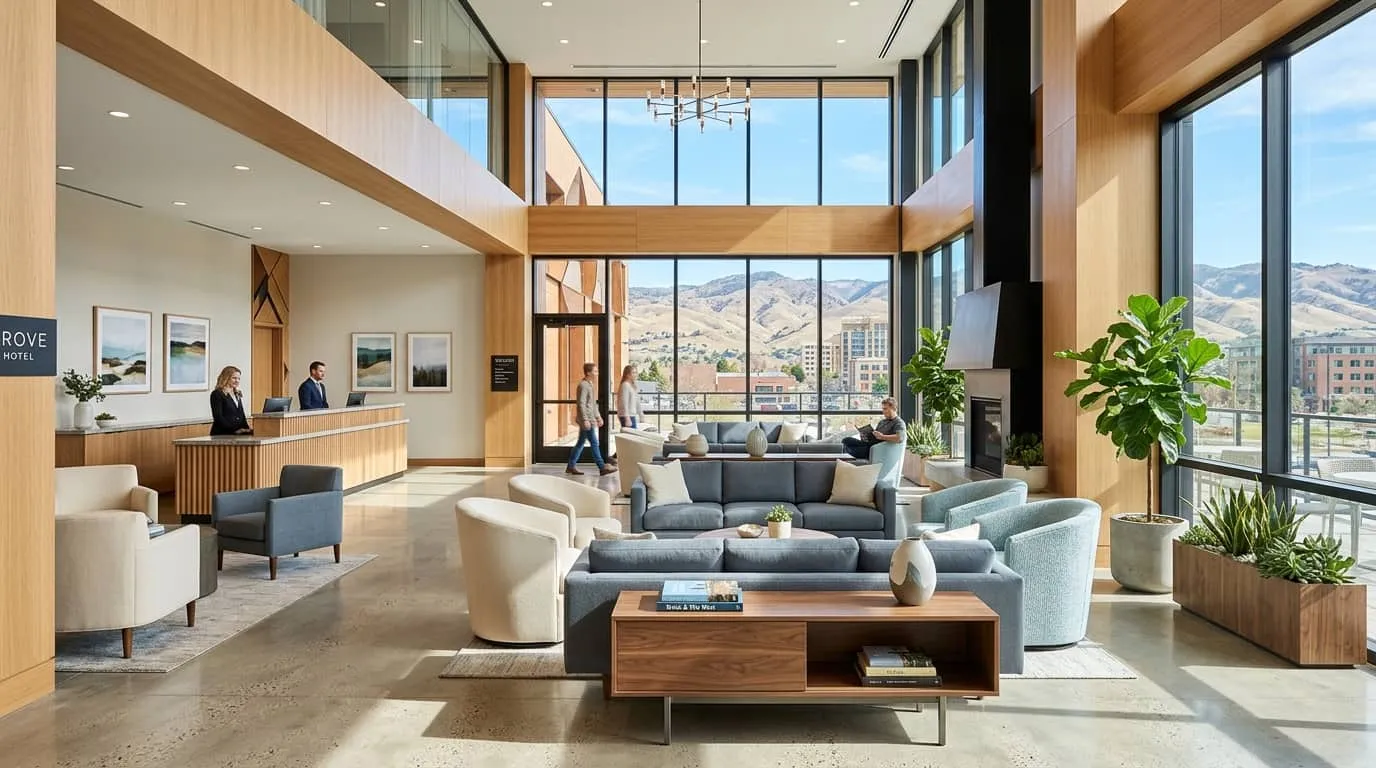
Boise has developed a commercial furniture market that does not look like it did five years ago. The tech industry relocation from California brought corporate campuses, co-working concepts, and a hospitality sector chasing a more design-literate guest. Suburban development in Nampa and Meridian created demand for commercial furniture across retail, healthcare, and food service. Downtown Boise near BoDo and the Boise River Greenbelt saw hospitality and restaurant investment that pushed spec standards upward. If you are procuring commercial furniture for any project in the Treasure Valley, the question is no longer whether you can find a supplier. It is whether the supplier you choose actually understands what contract-grade means.
What Separates Contract Suppliers from Furniture Vendors
The commercial furniture market contains a wide range of companies using similar language to describe very different products. Understanding the distinction before you start sourcing saves time and prevents expensive mistakes.
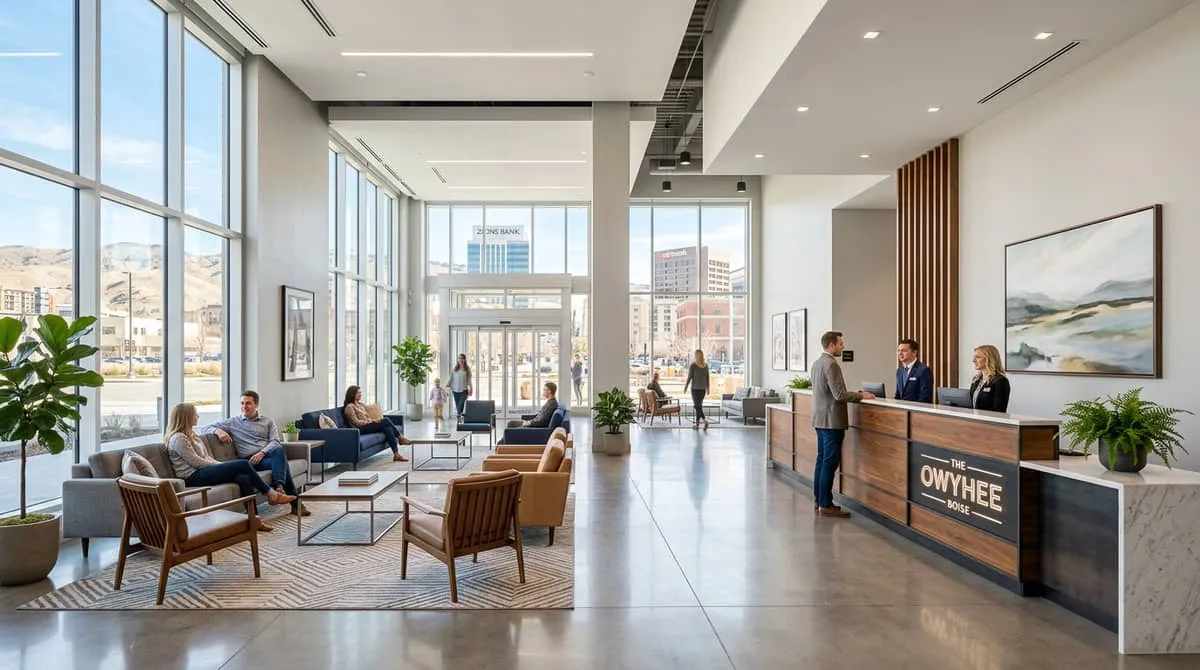
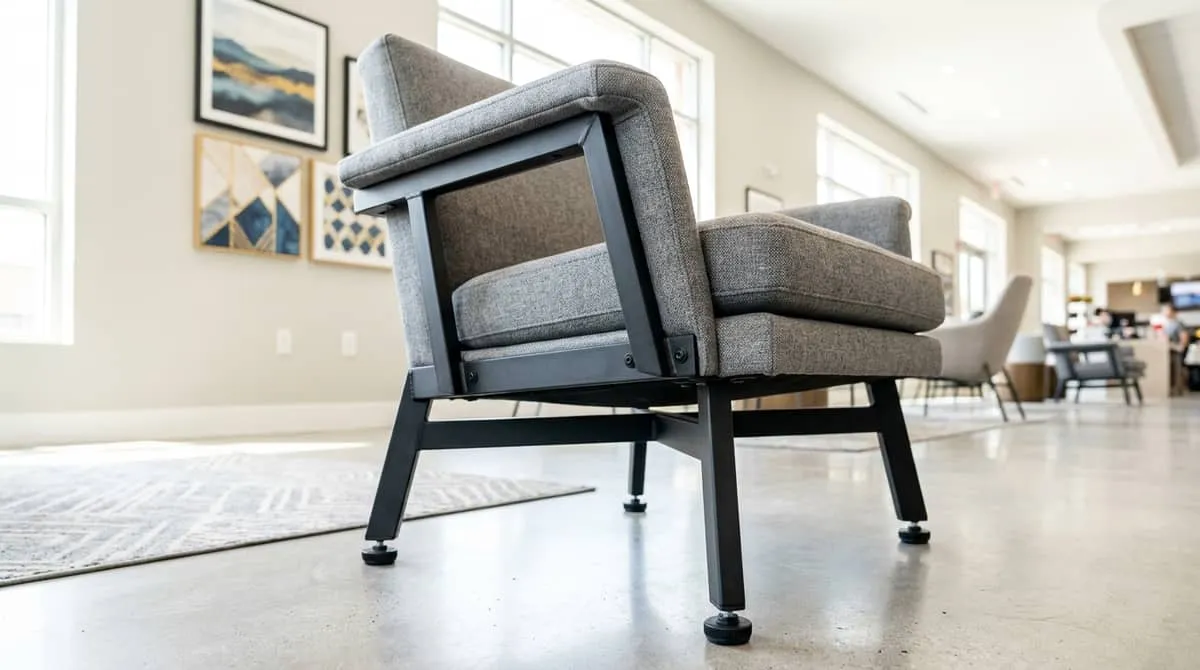
A true contract furniture supplier builds and tests product to recognized commercial performance standards. BIFMA is the relevant body for seating, stating minimum cycle-count requirements for commercial chairs, office seating, and lounge furniture. ANSI standards govern structural requirements for table bases and case goods. CA117 and similar flame standards matter for upholstered pieces in commercial occupancies subject to fire code inspection. Suppliers who can provide these test certifications are working to commercial standards. Suppliers who describe their product as commercial-grade without documentation are marketing to you.
Lead time transparency is another meaningful separator. A contract furniture supplier with real manufacturing relationships can give you a production and freight timeline at the start of a project and hold to it. A vendor who is drop-shipping from a catalog often does not have visibility into the actual production queue and gives optimistic timelines that slip. In a Boise market where hotel openings, restaurant launches, and corporate office builds all run against hard schedules, a supplier who cannot give you a reliable timeline is a liability.
Project support capabilities matter as much as the product itself. For large FF&E programs, you need a supplier who can coordinate phased delivery, work with your general contractor on installation sequencing, and manage punch-list resolution without requiring you to manage every individual SKU. That level of project management is standard with real contract suppliers and absent from most catalog vendors.
The Boise Commercial Furniture Market by Sector
Hospitality is the most active sector for commercial furniture procurement in Boise right now. The hotel pipeline along the Boise Airport corridor and the boutique hotel development downtown near the Basque Block and Boise Centre represent significant FF&E programs. Restaurant openings across BoDo and North End Boise add to the demand. These projects require furniture that meets hospitality durability standards, looks appropriate in design-forward environments, and can be specified at the detail level a serious designer or owner's representative expects.

Corporate and coworking is the second major demand driver. The tech companies that relocated employees to Boise brought space requirements for offices that reflect their origin markets. Open-plan work environments with high-performance task seating, lounge zones with commercial-grade soft seating, and conference rooms specified to professional standards represent a meaningful volume of commercial furniture procurement in the Treasure Valley.
Healthcare is active across the metro, particularly in Meridian where population growth is driving new clinic and medical office development. Healthcare commercial furniture requirements are distinct from hospitality and office in ways that matter. Bariatric weight ratings, antimicrobial upholstery treatments, cleanability under healthcare disinfectant protocols, and NFPA fire compliance are all category-specific requirements that a general hospitality or office supplier may not be equipped to handle. Verify that any supplier you consider for healthcare applications understands and can document compliance with those requirements.
Education and government remain significant buyers in Boise given the state capital presence and the growth of Boise State University. These procurement processes often involve competitive bidding and contract vehicles, and suppliers need to be set up to respond to those processes to participate effectively.
Evaluating a Commercial Furniture Supplier in Boise
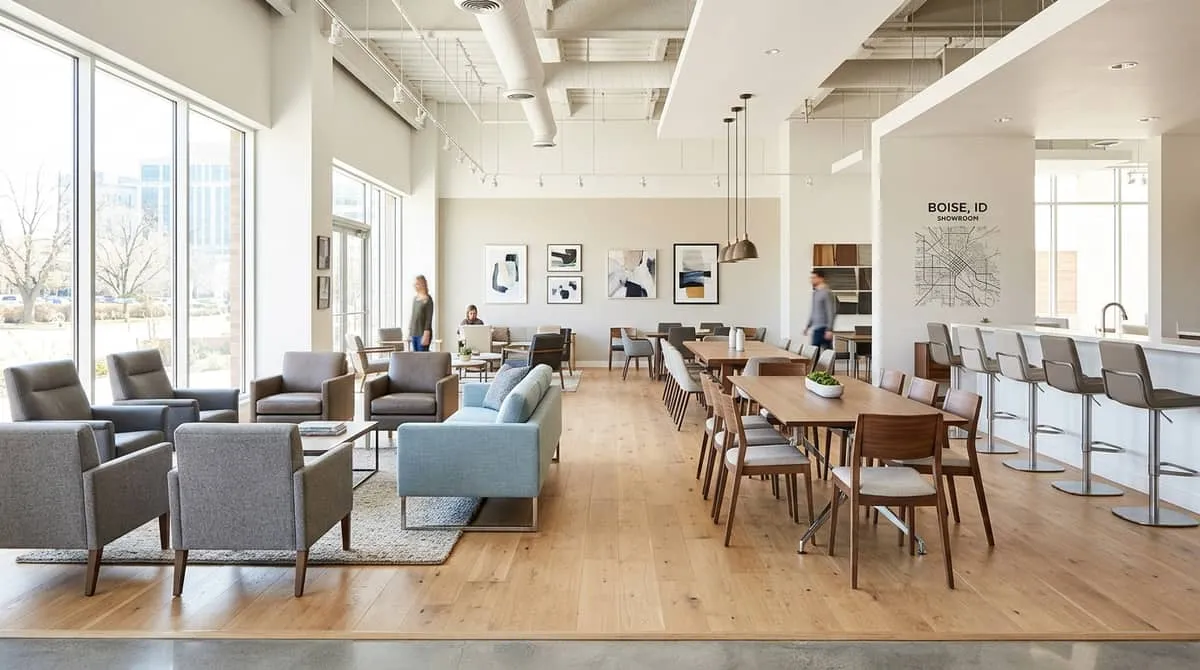
The evaluation process for a commercial furniture supplier starts with the project brief. Before you make calls, know your space dimensions, your primary use category, your design direction or brand standards, your budget range, and your delivery date. Suppliers who can respond to that brief with a substantive specification proposal are operating as real project partners. Suppliers who open with a catalog link are not.
Ask specifically about the supplier's experience with projects of your scale and type in Mountain West or Pacific Northwest markets. A supplier who regularly works on 200-room hotel FF&E programs in Phoenix or Seattle has dealt with the freight logistics, the construction timeline pressures, and the punch-list realities that match what you are managing in Boise. Regional experience matters more than proximity.
Minimum order quantities are a practical filter for many Boise projects. The independent restaurant opening with 80 seats in BoDo and the boutique hotel operator finishing out 45 rooms near the Boise River Greenbelt may not meet the MOQs that large contract manufacturers set for custom programs. Ask whether the supplier has access to in-stock commercial lines that do not require minimums, and whether those lines meet the same performance specs as custom product.
References are non-negotiable for any significant procurement. Ask for contact information from completed projects of similar scope, and actually call those references. The questions that matter: Did the supplier deliver on the quoted timeline? How did they handle damaged or incorrect product on arrival? Were there any spec discrepancies between what was approved and what was delivered? How did warranty support work in practice?
Making Commercial Furniture Work for Long-Term Boise Operations
The relationship with a commercial furniture supplier does not end at delivery. For operators running hospitality or food and beverage properties in the Treasure Valley, the ongoing need for replacement pieces, refresh purchases, and warranty support makes the supplier relationship an operational asset over time.
Before finalizing any large procurement, ask your supplier about their ability to source replacement pieces after the project closes. A custom dining chair that takes 14 weeks to produce and cannot be matched two years later when attrition brings you below your floor count is a problem that spec changes to a more consistently available product can prevent.
Maintenance guidance is worth requesting in writing. Commercial furniture in Boise properties faces seasonal dust and smoke from wildfire season, which can affect upholstery and open-grain wood finishes if cleaning protocols are not established. Ask your supplier for specific maintenance recommendations for each finish type and upholstery category in your spec, and make sure those protocols are communicated to your operations team before the property opens.
The Boise commercial market rewards operators who treat furniture procurement as a strategic decision rather than a cost reduction exercise. The guests who have moved here from design-conscious markets will notice the difference, and the review patterns for Boise properties reflect that clearly.
We quote commercial furniture for Boise operators against their own layouts and order sizes rather than a generic sheet. Request a quote and we will put together pricing for your property.