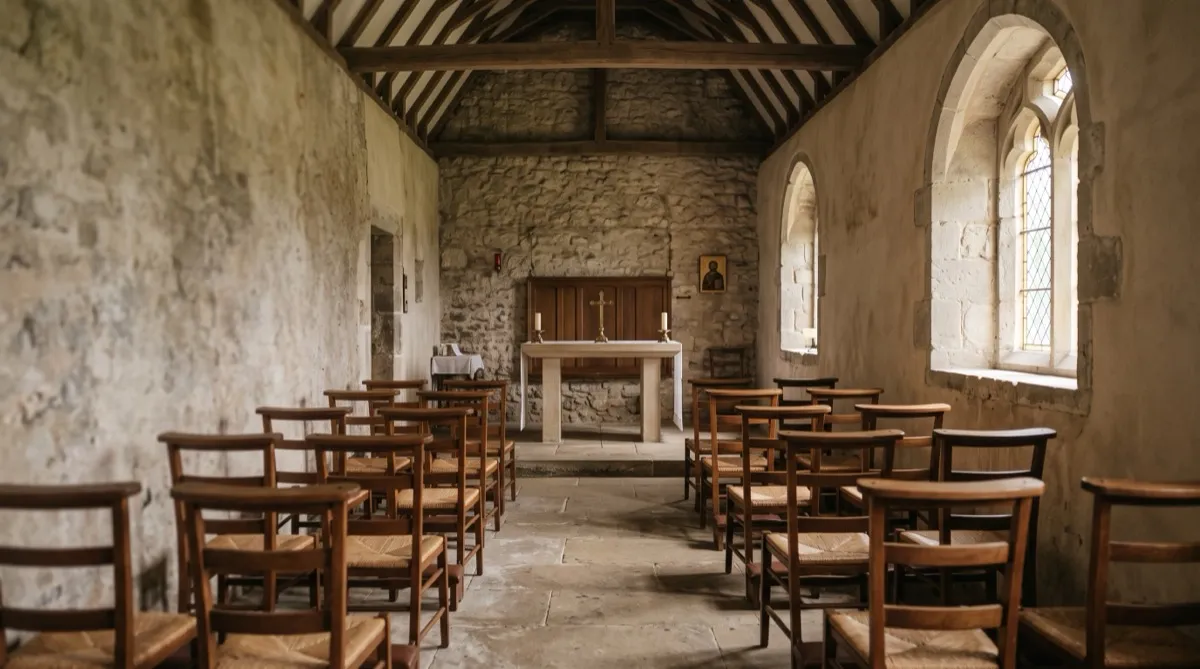
A chapel is a different room than the sanctuary, and it needs a different chair. Smaller footprint, more intimate use, and a mix of purposes that a 500-seat auditorium never has to juggle. One week the chapel hosts a wedding rehearsal, the next a funeral visitation, the next a quiet prayer service with six people spread across rows built for forty. The furniture has to work for all of it.
Why chapel seating is its own category
Main sanctuary seating gets specified around capacity and worship format: rows, aisles, sightlines to a stage. Chapel seating gets specified around intimacy and flexibility. The room is smaller, so every chair is closer to every guest, and the finish and comfort level show up more in the experience. A chapel that hosts weddings and funerals also carries emotional weight that the main service space doesn't always have, and the furniture should feel considered rather than utilitarian.
Chapels also change configuration more often relative to their size. A wedding wants rows facing an altar with a center aisle. A funeral visitation wants a looser arrangement with space to move. A weekday prayer service wants a handful of chairs pulled into a circle. Chair weight, stacking ease, and how quietly the chairs move across the floor all matter more here than in a sanctuary that mostly sits in one configuration.
What to look for in a chapel chair
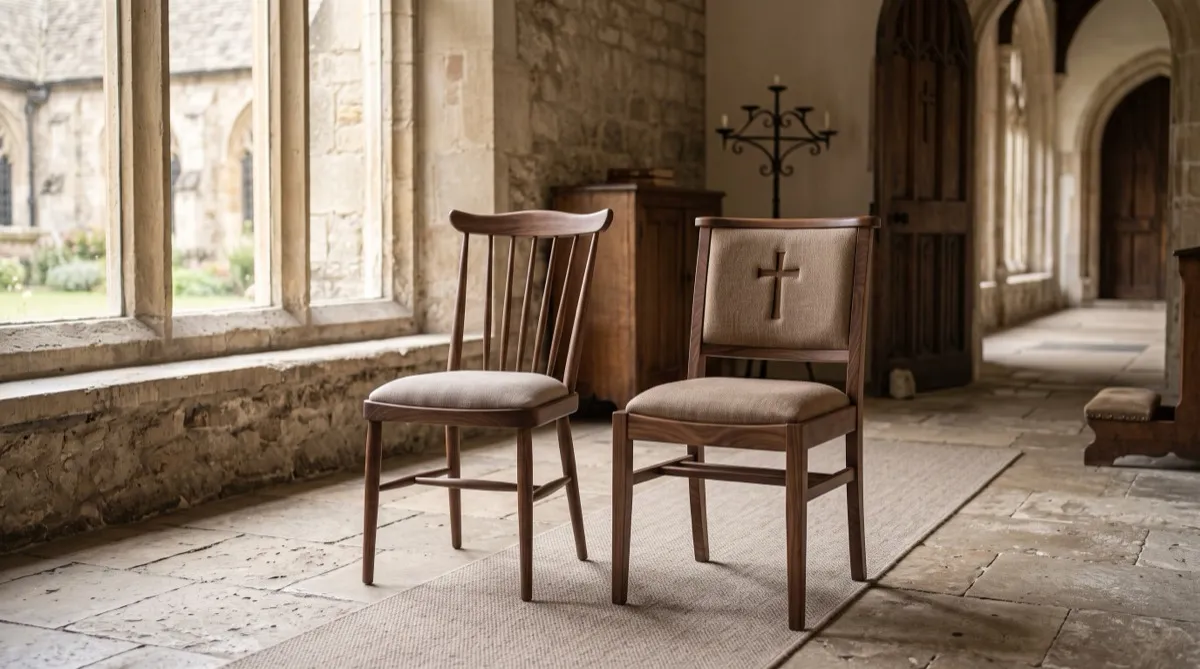
Softer aesthetics than the main sanctuary is usually the right call. Upholstered seat and back in a fabric or vinyl that reads warm rather than institutional. Wood tone or a finish that coordinates with chapel millwork, altar rail, or existing pews if the chapel still has them. A slightly narrower profile than banquet-style chairs works well in tighter chapel footprints, since the room rarely has the floor space of a full sanctuary.
Stackability still matters, even in a small room. A chapel used for multiple purposes needs chairs that clear the floor fast between events, and a chair that stacks 6 to 8 high on a cart lets one person reset the room. Book racks or connector options are worth considering if the chapel runs regular services, though many chapels skip them in favor of a cleaner look for ceremonial use.
Weight is a real factor here in a way it isn't always in a large auditorium. Funeral and wedding guests include people who need an easy chair to move, pull close to a family member, or shift without help. A chair in the 12 to 16 pound range is easier to handle than a heavier banquet chair, and that difference gets noticed in a room where guests rearrange seating themselves more than they do in a fixed-row sanctuary.
Coordinating with the main sanctuary
Most churches want the chapel to feel connected to the main worship space without being an identical copy. Matching frame finish (wood tone, black, or brushed metal) across both rooms creates visual continuity when guests move between spaces for a single event, a wedding ceremony in the chapel followed by a reception elsewhere, for instance. Fabric can differ. A chapel often reads better in a lighter or warmer tone than the main sanctuary's fabric program, especially if the space is used for weddings where the palette matters to the family.
If your chapel still has pews and you're weighing a switch to chairs, treat it as a separate decision from your sanctuary seating plan. Chapel pews carry sentimental weight for a lot of congregations in a way sanctuary pews sometimes don't, since they've hosted generations of family ceremonies, so a renovation conversation here often benefits from involving the families who use the space most, not just the facilities committee.
Sourcing chapel chairs
We supply chapel and worship seating as part of our church furniture program, working from stackable frames through to fully upholstered options in fabric or vinyl. Chapel orders tend to run smaller than main sanctuary orders, often 40 to 150 units, so lead time and minimums look different from a full auditorium buildout. Run your seat count through our church seating capacity calculator to confirm how many chairs your chapel footprint actually holds before you order, since chapel rooms are often oddly shaped and capacity assumptions from a standard sanctuary layout don't transfer directly.
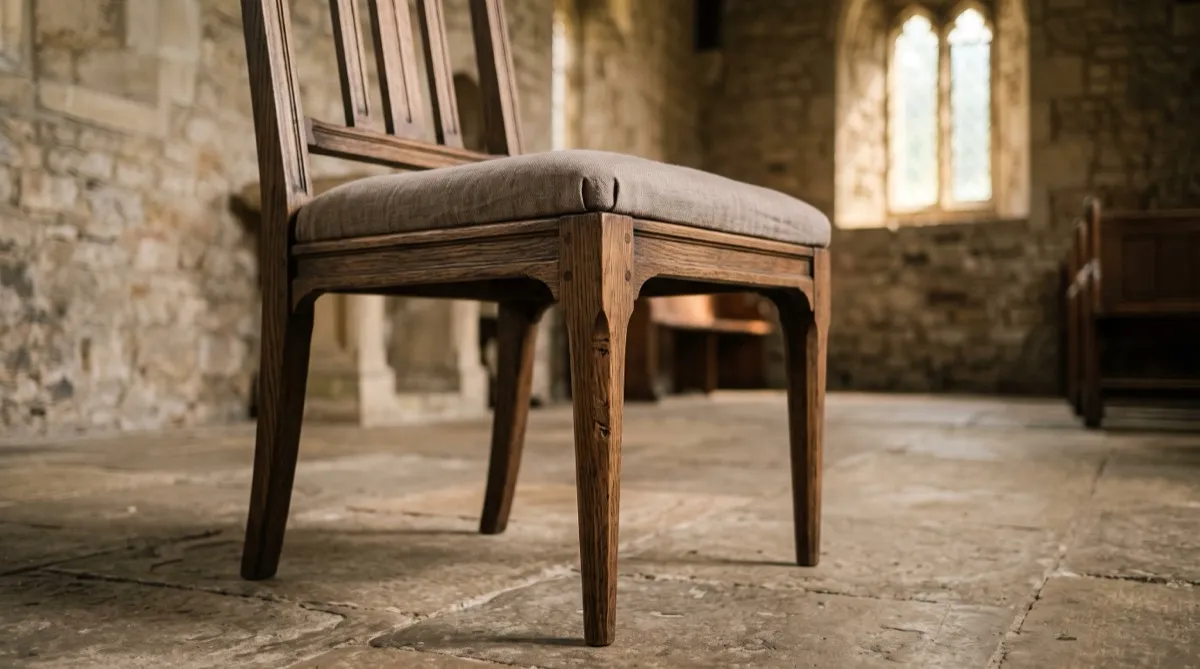
Finish samples matter more here than in a large room, since guests sit close enough to notice fabric texture and frame detail. Ask for physical swatches before committing to a full order, particularly if the chapel hosts weddings where the aesthetic gets photographed.
What to avoid
Skip anything too institutional-looking for a room meant to feel personal. A stacking chair built for a gymnasium or banquet hall reads wrong in a chapel used for intimate ceremonies, even if the construction quality is identical. Also skip chairs with loud connector hardware or exposed ganging brackets if the chapel is used for photographed events, since that hardware shows in wide shots in a way it wouldn't in a large auditorium.
Avoid over-ordering. Chapels rarely fill to capacity, and a room stacked with unused chairs against the back wall looks worse than a room with the right count set up cleanly. Order for your typical use case, not your rare maximum-capacity event, and keep a small reserve in storage for the occasions that need more.
Related reading
Ready to spec your chapel? Request a quote with your seat count and room dimensions and we will put together options that fit the space and the occasions it serves.
Our take
There is a usage pattern the guide implies but never states directly, and it changes how you should think about fabric and finish: a chapel is often the one room a church keeps unlocked and climate-controlled through the week for private prayer, small groups, and drop-in visitors. Unlike the main sanctuary, which mostly sees one heavy morning of use and then sits, chapel chairs take light but genuinely year-round contact. That steady low-level use rewards a wipeable vinyl or a tightly woven performance fabric over a plush decorative one, because the cleaning cadence here is closer to a waiting room than to a space touched once a week. It is a small spec choice that keeps an intimate room from looking tired between the weddings and funerals that people actually photograph.
The bottom line: Because a chapel typically stays open for weekday prayer and small gatherings, spec its seating for steady year-round contact with a wipeable, tightly woven cover rather than a purely decorative fabric. That keeps the room presentable for the ceremonial events that matter most.