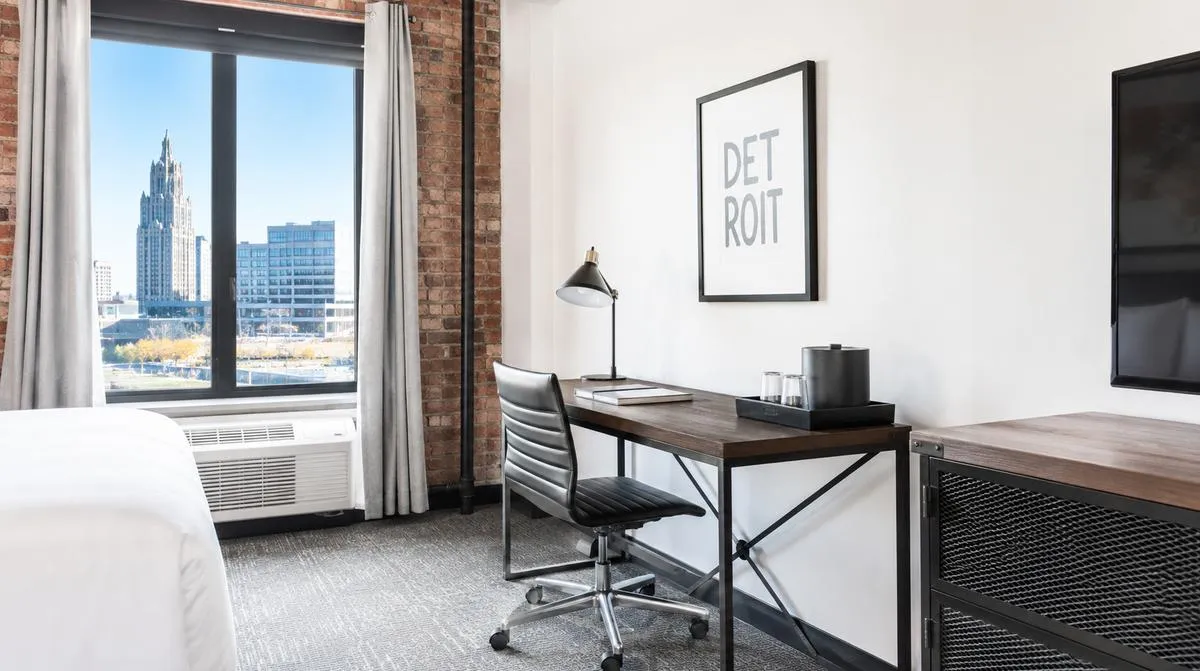
Jackson's hospitality landscape is smaller than Atlanta's or Nashville's, but it is not simple. You have downtown properties near the Mississippi State Capitol and the Jackson Convention Complex that live and die by legislative session traffic, state agency travel, and the trade shows that route through downtown several times a year. You have Fondren, the walkable arts and dining district north of downtown, where independent boutique concepts are competing on neighborhood character rather than proximity to a convention floor. And you have properties near LeFleur's Bluff and the Mississippi Coliseum picking up sports tournament and fairground traffic that behaves nothing like a downtown legislative crowd. Each of those markets wants a different furniture answer, and none of them can be served by a standard chain-hotel FF&E program built for volume rather than character. If you are sourcing boutique hotel furniture Jackson style, the constant across all three contexts is the same: contract-grade construction, smaller order quantities, and a design program that reads as intentional rather than pulled from a big-box catalog.
Why Jackson's Session and Event Calendar Changes the Durability Math
The Mississippi Legislature convenes every year, and session months bring a wave of lobbyists, agency staff, and state business travelers into downtown Jackson hotels on a schedule that has nothing to do with tourism demand. Layer onto that the conventions and trade shows that route through the Jackson Convention Complex, plus the tournament and fair traffic drawn to the Mississippi Coliseum and the fairgrounds, and a boutique property downtown can swing from a quiet week to a fully booked stretch of guests who did not choose the property for its personality. They chose it because it was available. That is a sourcing consideration, not a complaint.
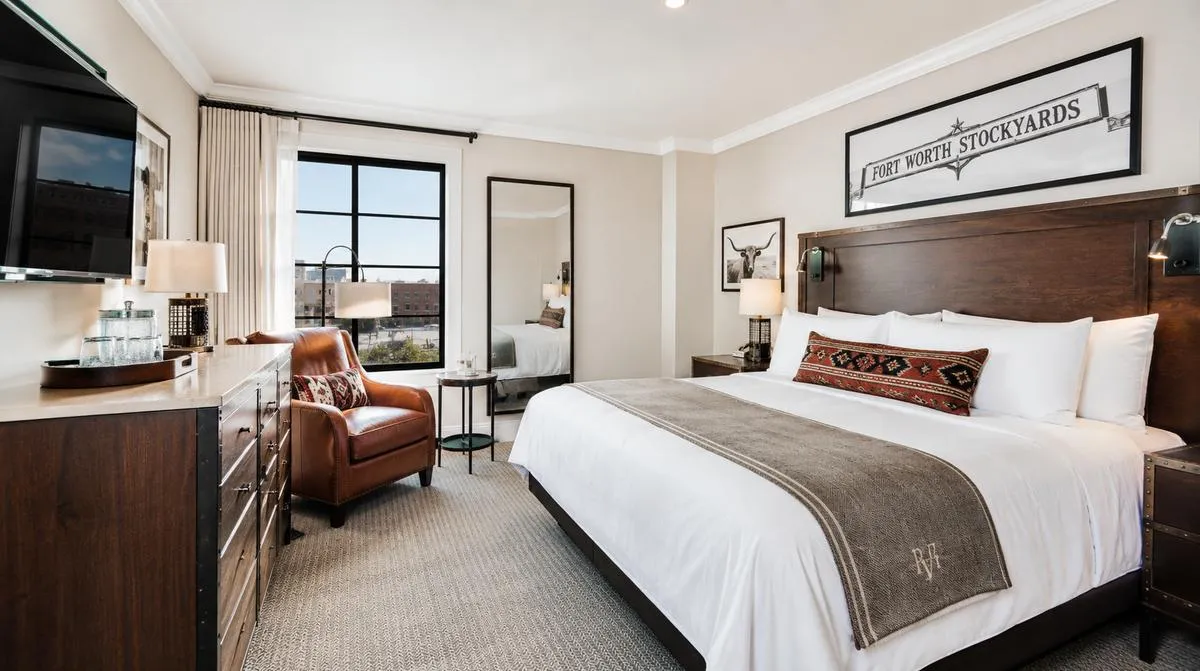
Furniture absorbing a quiet Fondren weekend faces a different stress level than furniture absorbing a session-week surge downtown or a tournament weekend near the Coliseum. The lounge chairs in your lobby, the upholstered pieces in a bar or lounge area, the guestroom seating: all of it needs to be specified for heavy commercial use from day one, not treated as an aesthetic decision made after the structural spec is settled. Residential-grade furniture dressed up with hospitality language does not hold up under this kind of variable load. Frames crack, joints work loose, and fabric pulls at the seams on a timeline that turns an apparent cost saving into a capital replacement problem within two seasons.
Contract-grade construction means hardwood or engineered hardwood frames, upholstery rated above 30,000 double rubs in high-traffic seating areas, and joinery built to survive repeated use by guests who are not being careful with the furniture. For a boutique property in Jackson absorbing legislative session swings and convention-week traffic, that construction standard is not a nice-to-have. It is the baseline.
Design Cohesion Across a Small But Distinct Market
What separates a strong boutique property in Jackson from an average one is not any single statement piece. It is whether the room reads as designed from one glance, and that comes down to locking a material palette before sourcing begins rather than after.
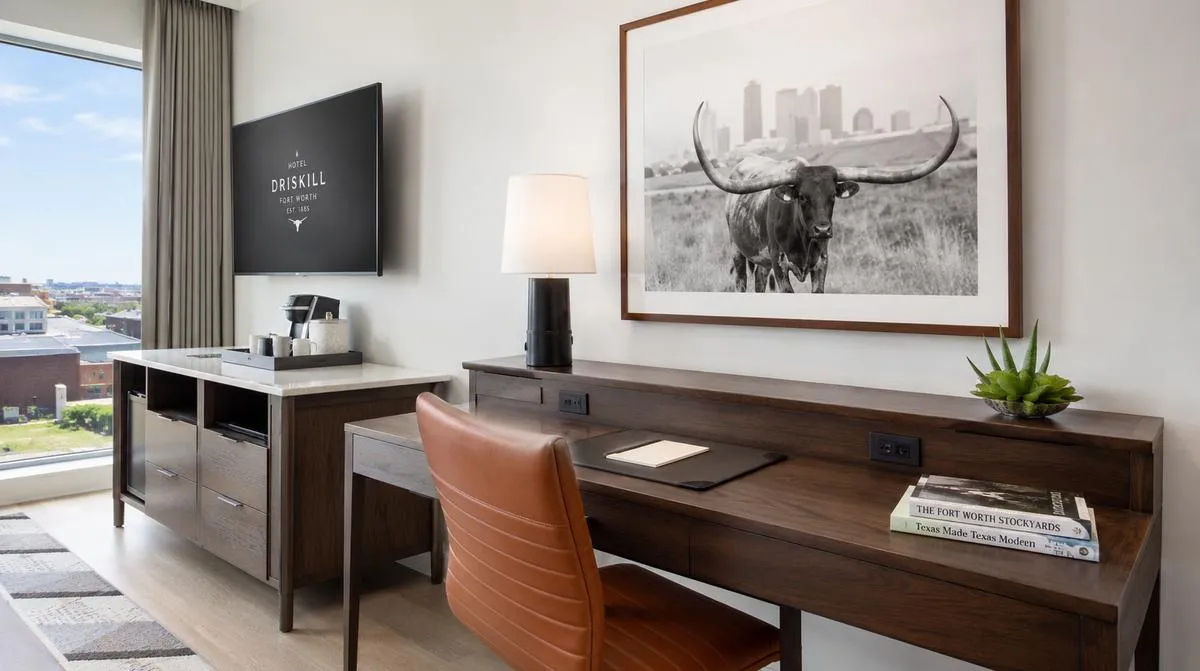
A property near Fondren can credibly pull from the neighborhood's gallery-and-restaurant identity: warm wood tones, mixed metal accents, textile choices that nod to the local arts scene without tipping into costume. A downtown property near the Capitol and the convention complex, serving business travelers and state government guests who expect a degree of polish, needs a tighter program: case goods with clean lines, upholstered seating in high-performance fabric that photographs well and holds its finish through daily turnover, metal accents in brushed brass or matte black rather than anything that reads as budget chrome. A property positioned toward the LeFleur's Bluff and Coliseum corridor, picking up tournament and fairground guests, can afford a more durable, slightly more relaxed program built around finishes that forgive heavier traffic without looking institutional.
The mistake is sourcing pieces one at a time because each one looks good in isolation, then trying to force them into cohesion at install. The result is a room that guests read as assembled rather than designed, and design-literate travelers, who are exactly the guests a boutique property is trying to win, notice immediately when a room lacks visual logic. Settle the palette first: two or three anchor finishes, one wood tone or metal family, a tightly bounded fabric range. Hold every subsequent purchase to those constraints before approvals go out.
Navigating Minimums and Finding the Right Suppliers
Most large contract furniture manufacturers are built for scale. Three hundred rooms is a comfortable order for them. A 30-room boutique property in Fondren ordering 35 units of a lounge chair and 20 guestroom desk chairs does not move the needle for a manufacturer tooled for national brand rollouts, and their minimum order policies reflect that reality directly.
That is not a dead end, it is a filter. The suppliers worth pursuing are the ones who have built their business specifically around this kind of account: independent hotels, boutique renovation projects, restaurant and hospitality groups working with smaller footprints. These manufacturers are set up for mixed SKU orders, smaller quantities, and the specification flexibility a boutique project in a market the size of Jackson actually requires. They will not push back when you need 15 units of one chair and 10 of another. Ask about minimums in writing, early, before you build a full specification around a supplier who cannot realistically fill your order.
Jackson does not have the trade showroom density of a larger metro, which makes working with a supplier who understands hospitality procurement even more important. For hospitality-specific sourcing, look for suppliers who can document commercial ratings, provide FR compliance certifications where the fire code requires them, and show a track record delivering into properties with occupancy patterns similar to yours, including the session-driven swings that make Jackson's downtown market distinct from a purely tourism-driven city.
If you are working with an FF&E consultant or purchasing agent, one of their core functions is aggregating a smaller Jackson order alongside other boutique hospitality projects to access manufacturer programs that your standalone volume would not unlock on its own. That margin layer frequently pays for itself once you account for the specification errors and reorder costs a good consultant prevents.
Planning for Jackson's Renovation Cycle
Boutique properties in Jackson's higher-demand corridors, downtown near the Capitol and convention complex, and Fondren's walkable district, tend to refresh on a faster cycle than owners expect going in. New restaurant and retail investment in Fondren keeps raising the bar for what a boutique guestroom needs to look like, and a property that felt current at opening can start to feel dated within four or five years as the neighborhood around it keeps evolving.
The right time to plan for that eventual refresh is during initial procurement, not once you are already behind schedule. Specify frames and case goods built to last the full cycle. Treat upholstery as the variable you will rotate on a shorter timeline. Require COM-ready construction on every upholstered piece from the start, no proprietary fabric tracks, no hidden frame systems, so reupholstery stays straightforward when the time comes. Keep clean documentation of your original specification: frame construction, foam densities, fabric weights, finish codes. Knowing exactly what you used the first time makes the next sourcing conversation move considerably faster.
Lead times on custom upholstery programs typically run 10 to 16 weeks. If you are targeting a legislative session opening, a convention complex event, or any fixed deadline, furniture orders need to go out early enough to absorb that timeline without squeezing the install window. First-time hotel owners consistently underestimate how little margin exists between order placement and opening day once custom upholstery work enters the schedule.
Sourcing boutique hotel furniture in Jackson is a more specific problem than general commercial procurement. The city's legislative calendar, its neighborhood-by-neighborhood character from downtown to Fondren to LeFleur's Bluff, and its smaller but distinct hospitality market all shape what holds up and what fails early. Getting the specification right before the order ships is the most cost-effective decision you will make on the project.
Tell us about your Jackson boutique hotel furniture needs and we will turn your quantities, finishes, and timeline into a firm quote. Request a quote whenever you are ready to compare.