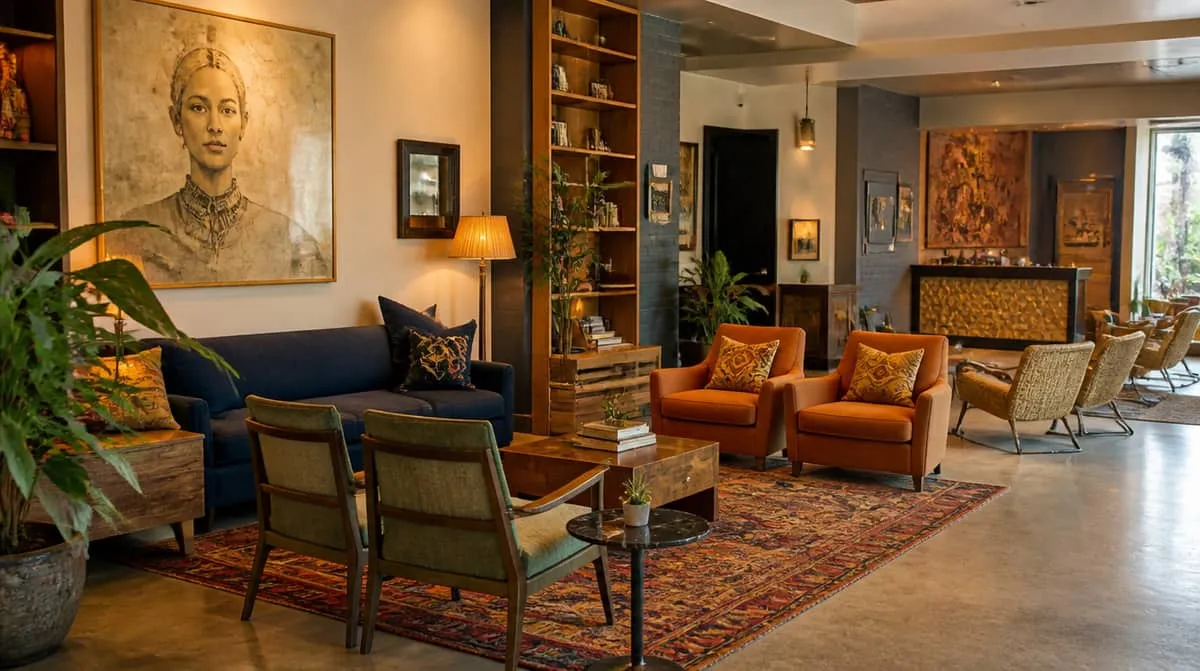
Cheyenne's boutique hotel market is small compared to Denver or Salt Lake City, but it is not simple. You have properties clustered around the Historic Depot District competing on restored brick and Union Pacific heritage. You have downtown boutiques near the Wyoming State Capitol serving legislative session travelers, lobbyists, and state agency visitors who show up in predictable waves every winter. And you have the once-a-year disruption of Cheyenne Frontier Days, the self-described world's largest outdoor rodeo, which brings in crowds that dwarf the city's normal visitor base for ten straight days every July. If you are sourcing boutique hotel furniture Cheyenne style, the core challenge is matching a small-market order size to furniture that can absorb both a quiet legislative Tuesday and a Frontier Days Saturday without falling apart in between.
Why Cheyenne's Event Calendar Changes the Durability Math
Frontier Days is the defining stress test for any Cheyenne hospitality property. The event draws hundreds of thousands of visitors into a city of roughly 65,000 residents, and every boutique hotel within reach of Frontier Park and the Depot Plaza fills to capacity with guests moving in and out of lobbies, bars, and lounges at a pace the rest of the calendar never approaches. Add in the steady but smaller surges tied to legislative session, F.E. Warren Air Force Base visitor traffic, and energy sector business travel, and you have a property that needs to perform well beyond its average night.
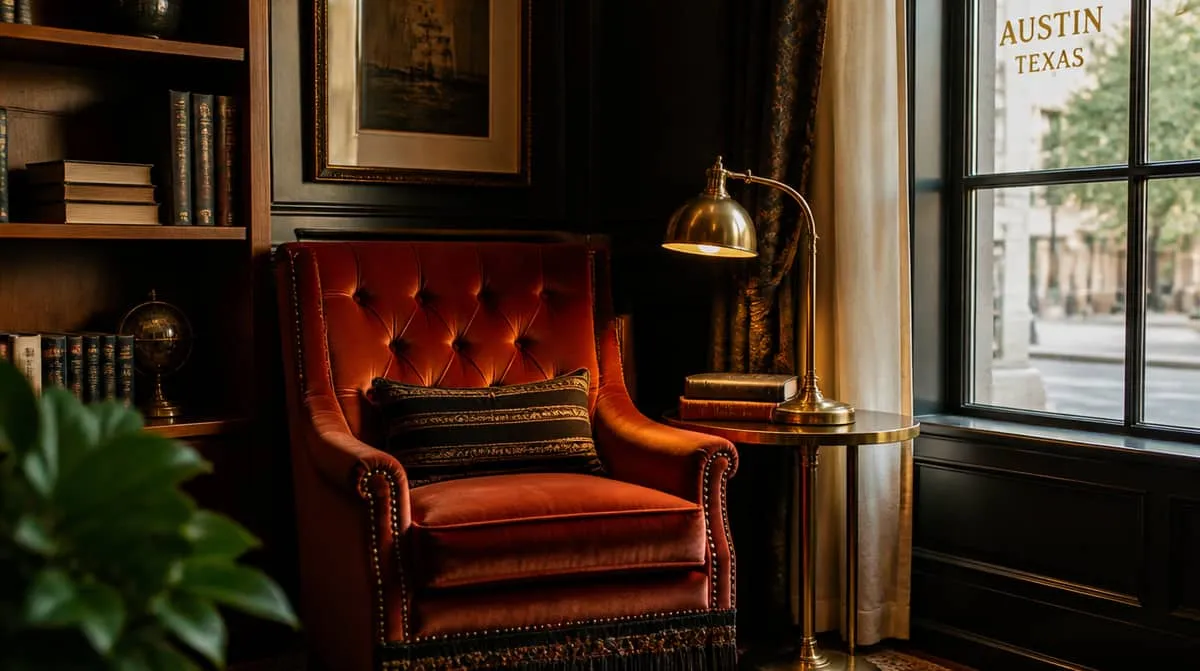
Furniture that holds up fine during a normal shoulder-season week faces a very different test during Frontier Days, when lobby seating gets used from early morning parade traffic through late-night bar crowds without much of a break. The lounge chairs near the entrance, the upholstered seating in a bar or breakfast area, the guestroom chairs, all of it needs to be specified for sustained commercial use, not dressed-up residential pieces that happen to look the part. Cheyenne's dry climate and dramatic temperature swings between summer heat and winter cold add another variable, since frames and finishes need to tolerate low humidity and seasonal wood movement without joints loosening.
Contract-grade construction means hardwood or engineered hardwood frames, upholstery rated above 30,000 double rubs in any high-traffic seating, and finishes that can handle a dry climate without cracking or checking over a few seasons. For a boutique property built around one massive annual event and a lot of quieter weeks around it, that construction standard has to hold at both extremes.
Design Cohesion in a City Built on Railroad and Ranch Heritage
What separates a memorable Cheyenne boutique property from a generic one is not any single piece of furniture, it is whether the room reads as intentional rather than assembled. That comes down to locking a material and finish palette before sourcing starts, not during it.
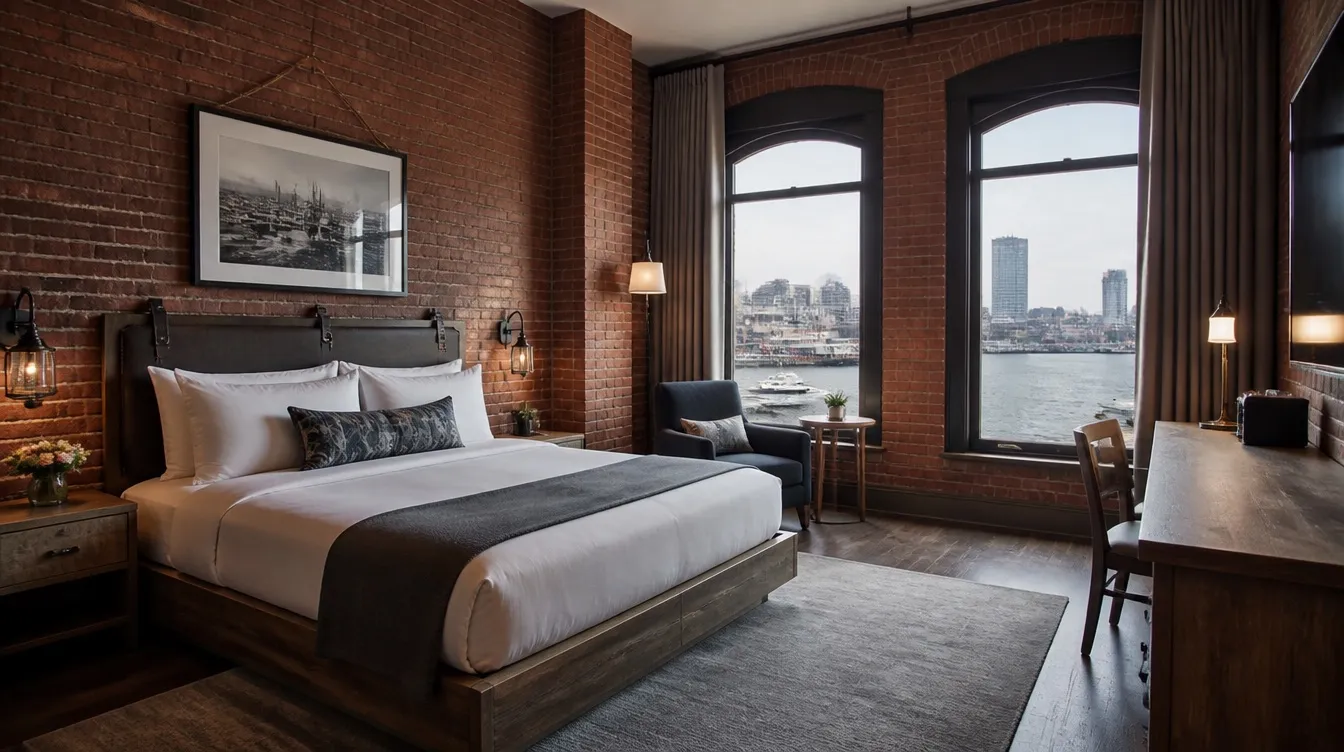
A property near the Historic Depot District can lean into its railroad and ranch heritage credibly: weathered wood tones, leather or leather-look upholstery, wrought iron or blackened metal accents that nod to the region without tipping into costume. A property closer to the Capitol serving legislative and government travelers usually needs a more restrained, professional program, case goods with clean lines, upholstery in durable neutral tones that photograph well for meeting-adjacent stays. Trying to split the difference on every piece produces rooms that feel indecisive rather than designed. Pick your anchor finishes, a consistent wood tone or metal family, and a defined fabric range before a single order goes out, and hold every subsequent piece to those constraints.
Navigating Minimums in a Small Market
Most large contract furniture manufacturers are built for scale, comfortable with three hundred room orders from a national flag hotel. A 30 to 50 room boutique property in Cheyenne ordering 35 lounge chairs and 20 guestroom desk chairs simply does not register on that scale, and manufacturer minimums reflect it.
That is a filter, not a dead end. The suppliers worth pursuing are the ones already built around independent hotels, smaller boutique projects, and regional hospitality groups that never place the kind of volume a national chain does. These manufacturers are used to mixed SKU orders and smaller unit counts, and they will not balk at a request for 22 units of one chair and 14 of another. Ask about minimum order requirements up front, in writing, before building a full specification around a supplier who cannot actually fill the order.
Cheyenne does not have a large local furniture and design trade presence the way Denver does, which means most boutique properties here end up sourcing through regional or national suppliers who serve the broader Rocky Mountain hospitality market. That makes supplier vetting more important, not less. Work with suppliers who can document commercial ratings, provide fire retardant compliance certifications, and show a track record delivering into properties with an occupancy pattern like Cheyenne's, quiet stretches punctuated by one enormous event.
If you are working with an FF&E consultant or purchasing agent, one of the real advantages they bring to a market this size is aggregating a small Cheyenne order with other regional projects to reach manufacturer volume tiers your property could never access on its own. That coordination fee tends to pay for itself once it prevents a specification mistake or a reorder cycle.
Planning for Cheyenne's Slower Renovation Cycle
Boutique properties in Cheyenne generally do not face the aggressive competitive refresh pressure that faster-growing hospitality markets do, but that does not mean furniture lasts forever. The dry climate and heavy seasonal use around Frontier Days put real wear on frames and upholstery, and a property that looked sharp at opening can show its age within five or six years if the furniture was not specified to last.
The right time to plan for that eventual refresh is during initial procurement. Specify frames and case goods built for a long service life, and treat upholstery as the component you expect to rotate sooner. Require COM-ready construction on every upholstered piece from the start, no proprietary fabric systems, no hidden frame designs, so reupholstery is straightforward when the time comes. Keep clear documentation of your original specifications, frame construction, foam density, fabric weight, finish codes, so the next sourcing conversation moves quickly instead of starting from scratch.
Lead times on custom upholstery programs typically run 10 to 16 weeks. If you are targeting a spring opening ahead of Frontier Days season, or coordinating a renovation around the legislative calendar, orders need to go out early enough to absorb that lead time without squeezing your install window. Properties that wait until a few months before opening consistently run out of room to fix specification mistakes before guests arrive.
Sourcing boutique hotel furniture in Cheyenne is a narrower problem than general commercial procurement, shaped by a small market, one massive annual event, and a climate that tests materials in its own way. Getting the specification right before the order ships is the most cost-effective decision on the project.
Every Cheyenne venue has its own volume, layout, and turnaround demands, and boutique hotel furniture pricing follows from those specifics. Request a quote and we will scope it to your project.