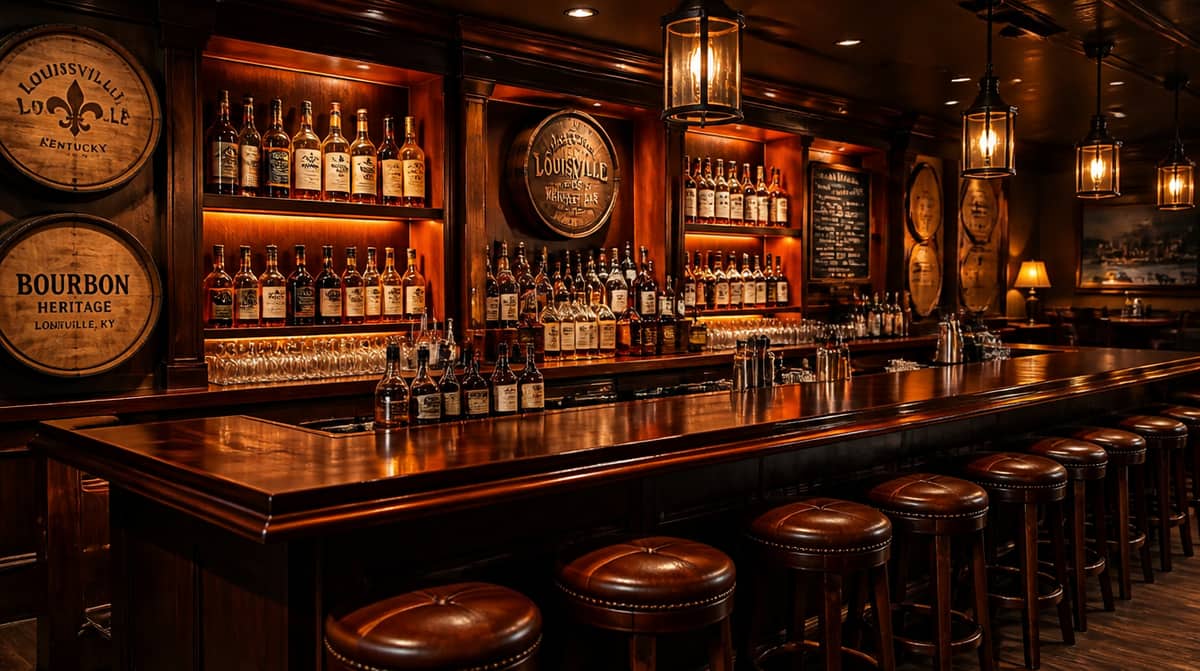
Lexington's bar and lounge market runs harder than its size suggests. Between the downtown entertainment district around Rupp Arena, a bourbon-focused lounge scene that has grown alongside the region's distillery tourism, and Keeneland race weeks that push bars across the metro to peak volume for concentrated stretches, the pressure on furniture here is real and recurring. Sourcing bar lounge furniture Lexington operators can depend on means understanding each of these contexts, because a stool that performs in a downtown sports bar is not the same stool that belongs in a bourbon tasting lounge.
Downtown and the Rupp Arena Standard
The bars and lounges within walking distance of Rupp Arena and the convention center see extraordinary swings in volume tied to the event calendar. A concert night or tournament weekend can push a venue to numbers that would be exceptional in a normal week. Furniture here needs to be treated as infrastructure, not decor.
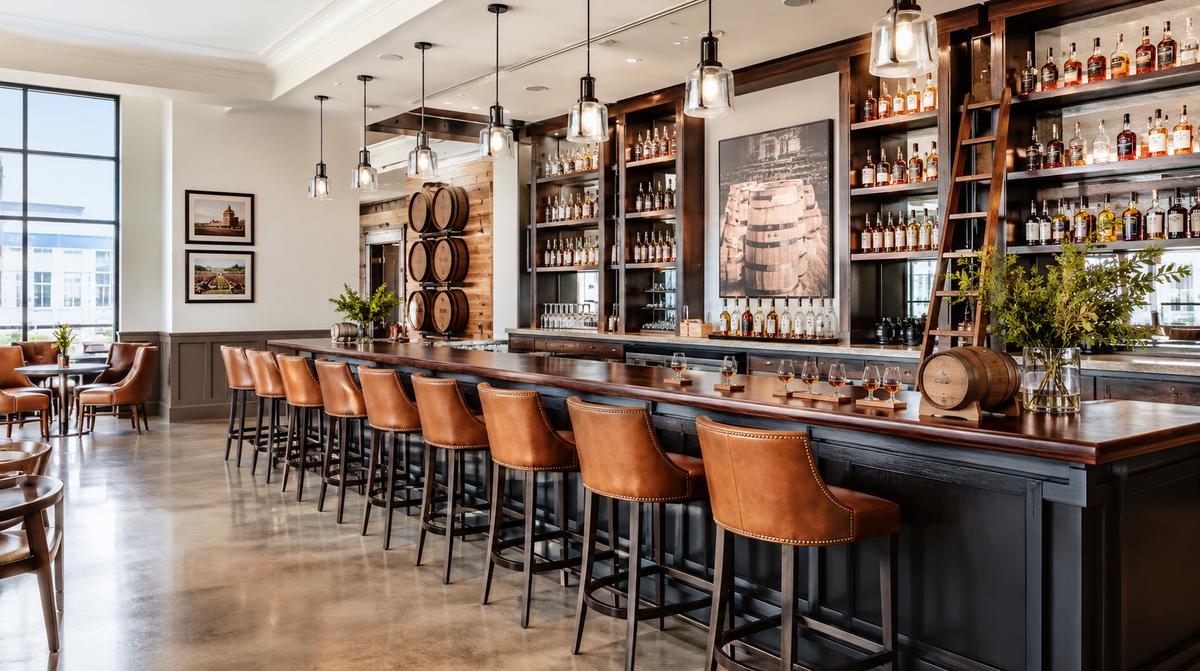
The specification priorities are structural weight, weld quality, and replaceability. Barstool frames for high-volume downtown venues should be minimum 16-gauge steel on all structural members, with fully welded joints at the footrest and every leg-to-seat connection. Bolted frames loosen under the stress of hundreds of different people sitting down, shifting, and standing up over a long event night. Ask your supplier for documentation on weld construction if you are buying in volume.
Seating height is an area where operators consistently run into problems on new builds. Confirm your actual bar counter height before placing any barstool order. A standard bar-height counter is 42 inches, paired with a 28-to-30-inch seat height. Counter-height surfaces at 36 inches need a stool in the 24-to-26-inch range. A two-inch mismatch is uncomfortable for every guest in that seat and unfixable without replacing the furniture.
Bourbon Lounges and Race Week Volume
Lexington's bourbon-focused lounge scene has real design expectations. Guests coming off a distillery tour have already seen a lot of thoughtfully designed tasting rooms, and furniture that reads as catalog-selected undermines the story a bourbon lounge is trying to tell. Current preferences lean toward curved lounge silhouettes with thick cushioning, warm-toned upholstery in cognac, caramel, or deep olive, and mixed-material combinations that layer metal with solid wood. COM programs are worth asking about early, since a custom order-material program lets your designer specify proprietary fabric on a commercially proven frame.
Race week at Keeneland pushes a different set of venues, hotel bars and lounges near the track and downtown, into a compressed high-volume window each spring and fall. Upholstery on that seating needs to be rated for at least 50,000 double rubs, and foam that resists moisture absorption matters given the spill volume a busy race week generates.
Sourcing Bar Lounge Furniture for Lexington Projects
Lexington's hospitality construction market moves in concentrated bursts tied to its event calendar. The standard commercial furniture lead time of 8 to 12 weeks for custom orders does not always fit a schedule where the opening date is fixed and construction ran late. The practical sourcing strategy for most Lexington bar and lounge projects is a combination of in-stock contract inventory for the primary seating program and custom or COM orders for accent pieces where design specificity matters most.
Build supplier relationships before you have an urgent need, and get confirmed availability and delivery windows in writing before finalizing your specification. In a market where race week and event-night pressure are real, the difference between a confirmed eight-week delivery and an estimated one matters. Start a quote request with your seat count and target date.