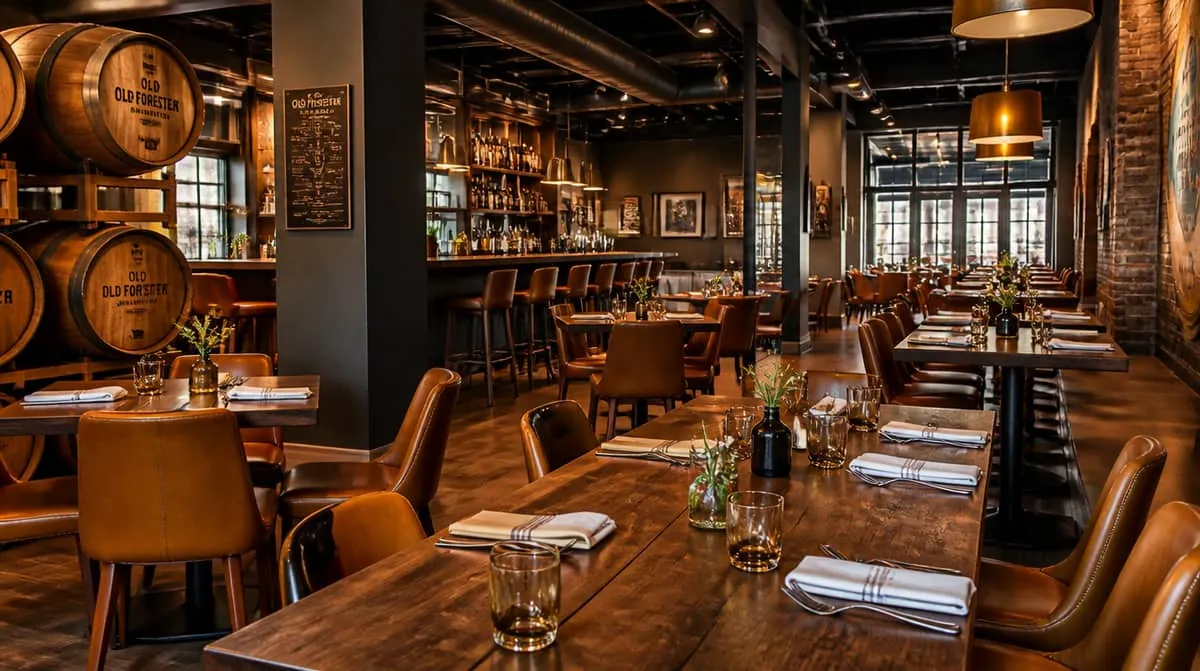
Lexington's restaurant scene has grown well past the college-town reputation it used to carry. Downtown dining has expanded around the entertainment district near Rupp Arena, bourbon trail tourism keeps visitors moving through the metro on tasting itineraries that end with dinner reservations, and the University of Kentucky campus area generates a dense, steady base of daily covers. Race week at Keeneland spikes demand at restaurants across the metro for a concentrated stretch each spring and fall. If you are furnishing a restaurant in Lexington right now, you are competing in a market with real design expectations and no patience for chairs that wobble or upholstery that shows wear after one season.
Why Contract-Grade Furniture Is the Minimum Specification
Contract-grade furniture is built to commercial performance standards, ANSI/BIFMA in the US, which means stress-tested frames, commercial-weight glides, foam density at 1.8 lb or above, and upholstery rated for 50,000 double rubs at the low end. For a high-turnover Lexington dining room near downtown or the campus corridor, 100,000 double rubs is a more realistic floor for any upholstered seat that sees daily service.
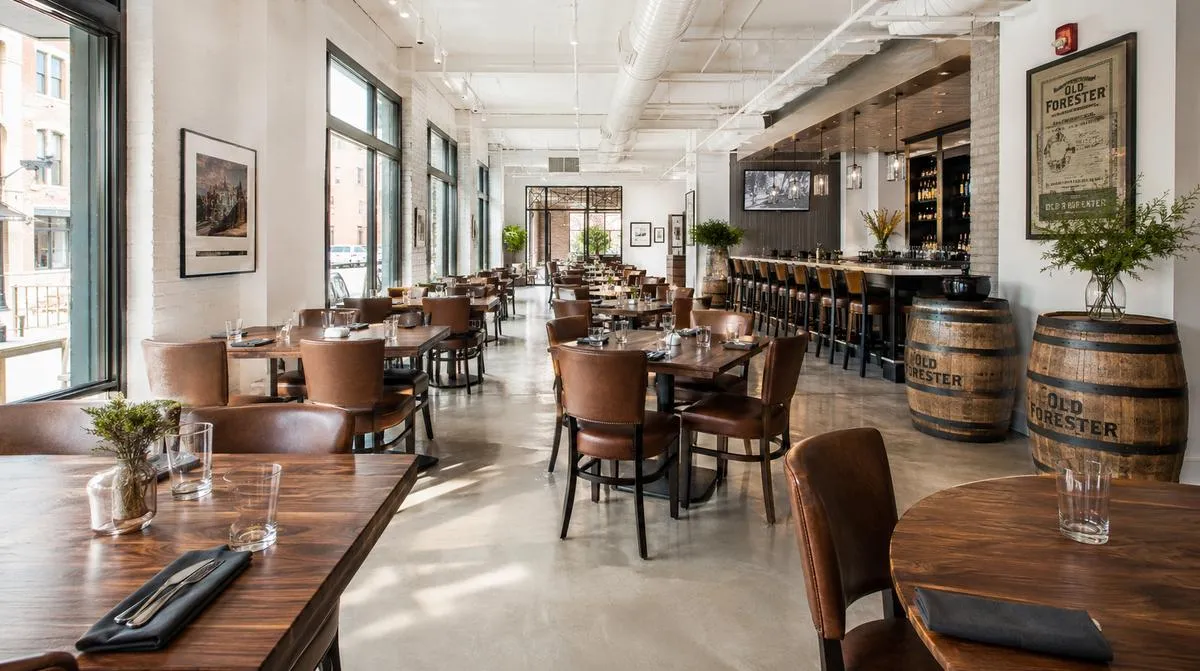
A residential dining chair might handle 20 to 30 sits per day in a home. A restaurant chair in a busy downtown Lexington spot during race week or a football weekend does multiples of that before the kitchen closes. The joints fail first, then the glides, then the upholstery surface. Retail-grade furniture pushed into that kind of service ends up on a 12-to-18-month replacement cycle instead of a five-to-seven-year one, and the math never works out in the operator's favor.
Materials and Upholstery for Lexington's Range of Environments
Lexington operates across a wide range of dining environments, and the right material spec varies. A patio near downtown in June is a different challenge than a banquette inside a bourbon-focused dining room in January. For high-traffic indoor seating, near the arena, along the campus corridor, performance vinyl and commercial polyurethane upholstery are the practical choice. They clean fast, resist bleach protocols, and hold up against constant use.
For outdoor and covered patio settings, solution-dyed acrylic fabric is the standard. Kentucky's summers carry real humidity, and cushion foam that is not properly sealed will retain moisture and develop mildew before fall. Powder-coated aluminum frames handle that humidity without corroding, and the finish options available today are refined enough to meet the design bar the downtown dining scene is setting.
Tables and Bases: Getting the Specification Right
Solid wood tabletops with a commercial lacquer or penetrating resin coat survive the environment and photograph well. Uncoated or lightly oiled wood swells, stains, and becomes a guest complaint within months, particularly near a bar program. Laminate tops with a realistic wood or stone surface clean faster and cost less to replace, and plenty of Lexington operators use them in their highest-volume sections without any aesthetic penalty.
Table bases are where operators consistently underspend. Cast-iron or heavy-gauge steel table bases are correct for any bar-height or standing-height application. Lightweight aluminum bases wobble and frustrate everyone in the room. Match your table sizing to your operational reality before you finalize the order, since changing your mind after 60 units arrive at your loading dock is an expensive problem to solve.
Finding the Right Supplier Relationship
One-off purchases from liquidation sources or retail furniture stores create long-term operational headaches. When a chair cracks or a barstool base fails eight months after opening, you need a supplier who still stocks your SKU, can match your finish, and ships fast enough to keep your dining room looking consistent. For restaurant furniture sourcing in Lexington, look for suppliers who carry hospitality-specific lines, not residential or office crossover product repackaged with commercial-sounding descriptions, and who know how to support a phased opening around a construction schedule that shifts.
If you can sit in the chair before you order 60 of them, do it. No spec sheet substitutes for testing the seat height, checking the table wobble, and confirming the finish reads the way you expect it to under your actual lighting. Ready to spec your project? Request a quote with your category list and timeline.