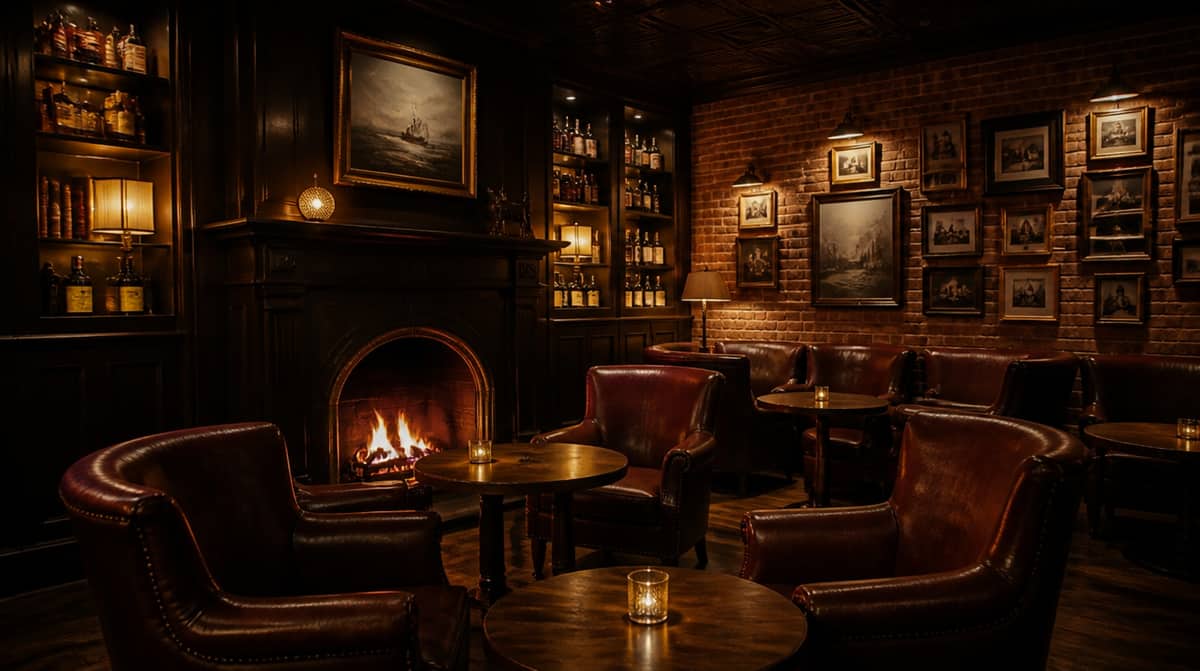
Albuquerque's bar and lounge market answers to a climate and a geography that most furniture buyers underestimate until a first summer passes. Between the high desert sun that bakes Nob Hill patios along Central Avenue, the Downtown convention corridor anchored by the Albuquerque Convention Center that fills bars during trade shows and the Balloon Fiesta week rush, and the resort casino properties on the city's edges that run a lounge program closer to Las Vegas than to a typical Southwestern city, the demands on furniture here are wider ranging than the city's size would suggest. Sourcing bar lounge furniture Albuquerque operators can depend on means understanding each of these contexts, because a stool built for a Sandia foothills rooftop is not the same stool that belongs in a Nob Hill dive bar on Route 66.
Nob Hill and the Route 66 Patio Standard
Nob Hill is Albuquerque's most walkable bar district, a strip of Route 66 storefronts east of the University of New Mexico that has held onto its neon and its independent character while the bar scene inside those buildings has gotten considerably more ambitious. Patio seating is not optional here. Central Avenue foot traffic and the region's roughly 300 days of sunshine a year mean outdoor seating drives a real share of a Nob Hill bar's revenue, and the furniture spec has to account for a climate that is dry, intensely UV-heavy, and prone to wide day-to-night temperature swings even in summer.
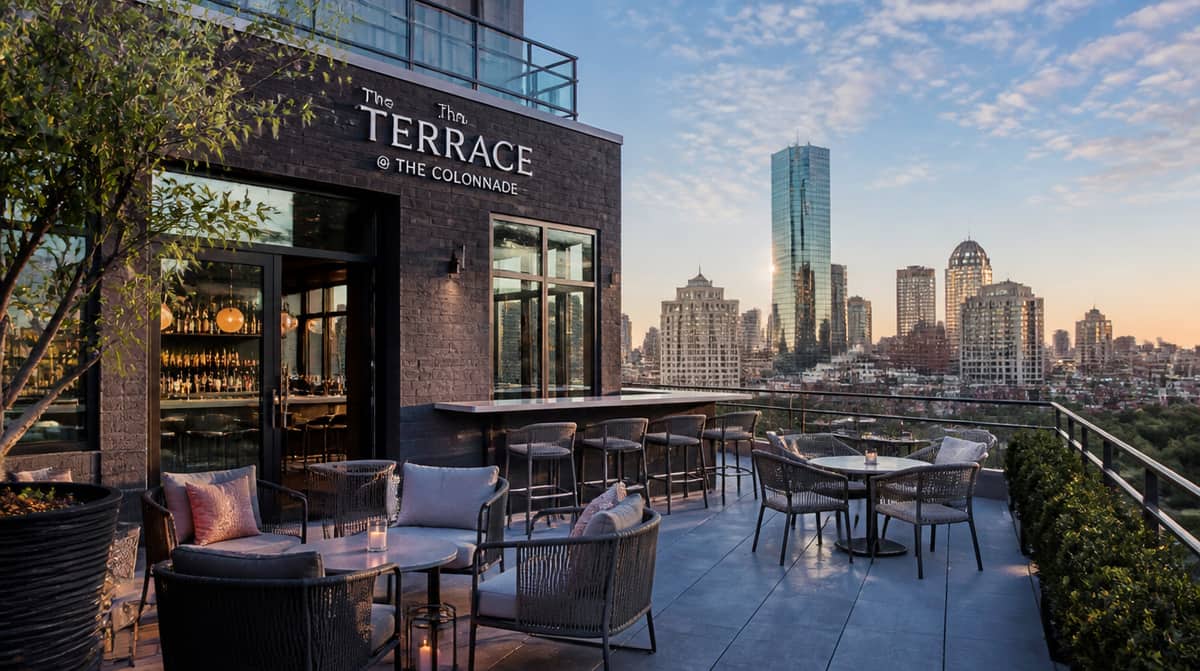
Frame material matters more in Albuquerque than in most cities on this list. Powder-coated aluminum or galvanized steel is the right call for any patio program, not because of humidity (Albuquerque has almost none) but because of the UV load and the dust that high desert wind carries through a long dry season. Untreated finishes chalk and fade within a single summer under this sun. Solid bar stock footrests are worth the extra cost on any stool ordered for heavy patio rotation, since hollow tube footrests loosen and dent faster under the temperature cycling this climate produces between a 95-degree afternoon and a 55-degree evening.
Upholstery needs the same UV-stable specification. Solution-dyed acrylic or a commercial vinyl rated for outdoor exposure will hold color where standard contract fabric fades visibly within a season. Indoors, at the bars set back from Central Avenue with lower light exposure, performance fabric at a minimum of 30,000 double rubs Wyzenbeek is a reasonable baseline for a neighborhood program, moving up toward 50,000 for any venue running weekend volume through UNM football and basketball seasons. Confirm bar counter height before ordering. Standard 42-inch counters pair with a 28 to 30-inch seat height, and the 36-inch counter height common in older Nob Hill buildings needs a 24 to 26-inch stool. Older storefronts along this stretch were not built to modern bar dimensions, and measuring the actual counter rather than assuming a standard is the step operators skip most often.
Downtown and the Convention Center Corridor
Downtown Albuquerque, running from Civic Plaza through the Albuquerque Convention Center and into the growing bar and restaurant cluster on Central and Gold, operates on a calendar that convention traffic controls. When a major event books the convention center, or when Balloon Fiesta week in early October fills every hotel within a mile of Downtown, bars in this corridor see volume that dwarfs a typical weeknight. Furniture in these venues has to be specified as infrastructure that survives that swing between quiet Tuesday nights and a fully booked convention week.
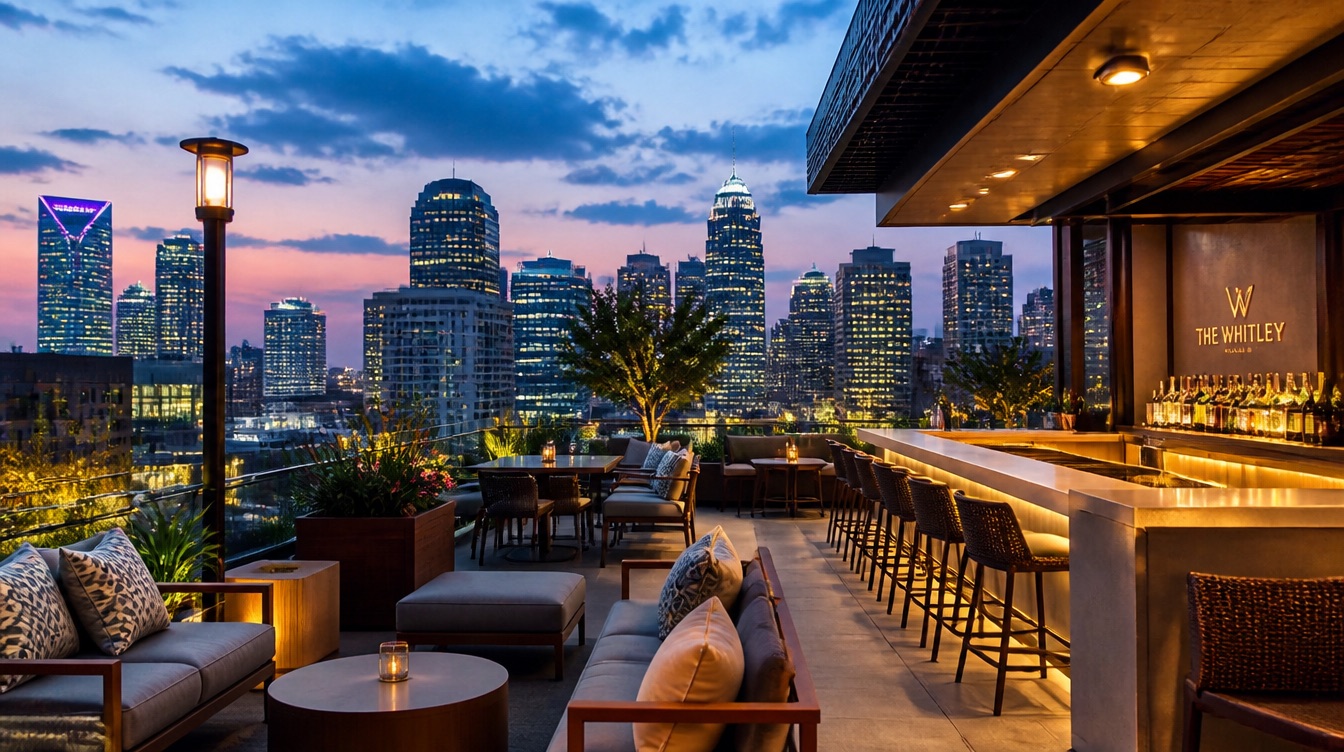
The structural priorities are straightforward. Specify minimum 16-gauge steel frames with fully welded joints at the footrest and every leg-to-seat connection for any barstool going into a Downtown convention-adjacent program. Bolted construction loosens under the stress of a full week of continuous turnover, and a bar that only sees that kind of volume a handful of times a year still needs furniture that holds up on those weeks without a mid-event repair. Ask for weld documentation from your supplier before committing to a collection in volume. A reputable contract furniture supplier will have it ready.
Replaceability is the piece operators underestimate until a convention week goes badly. If a barstool fails on a Wednesday during a five-day trade show, the venue needs a matching replacement fast, not an eight-week reorder. Specify a primary collection your supplier keeps in stock rather than relying entirely on made-to-order pieces, and confirm in writing what a rush replacement order actually costs and how fast it ships. For table bases in this corridor, commercial-grade nylon or felt glides hold up far better than plastic caps against the polished concrete and tile floors common in Downtown's newer builds.
The Resort Casino Lounge Standard
Albuquerque sits within a short drive of several tribal resort casino properties, including Sandia Resort in the foothills north of the city and Isleta Resort south along the interstate, and these properties run a bar and lounge program that looks more like Las Vegas than like anything else in New Mexico. Guests expect a level of visual polish and comfort that a neighborhood bar does not need to match, and the furniture spec has to reflect that expectation across a lounge, a nightclub-style room, and a poolside bar that all draw from the same design budget.
Current preferences at this tier lean toward deep-cushioned lounge seating in rich jewel tones or warm neutrals, mixed metal and stone table bases, and COM programs that let a designer specify a proprietary fabric on a proven commercial frame. A custom order-material program is worth raising early in any resort-tier project, since it is how these venues achieve a bespoke look without sacrificing the structural rating the volume demands. For poolside and patio lounge seating at these properties, the same UV and dust considerations that apply in Nob Hill apply here at a larger scale, since these spaces run outdoor furniture through a longer season and heavier daily use than a typical hotel pool deck.
Sourcing Bar Lounge Furniture for Albuquerque Projects
Albuquerque's hospitality construction market moves on a mix of steady neighborhood turnover and a handful of large, high-pressure projects tied to resort expansions or Downtown redevelopment. The standard commercial furniture lead time of 8 to 12 weeks for custom orders rarely lines up cleanly with a construction schedule that has already slipped, particularly when an opening is timed to Balloon Fiesta week or another fixed calendar event that will not move.
The practical strategy for most Albuquerque bar and lounge projects is a blend of in-stock contract inventory for the core seating program, reserved for the pieces that need to arrive fast, paired with custom or COM orders for the accent seating and tables where a resort or a design-forward Nob Hill concept needs something specific. Build the supplier relationship ahead of the need. Know which vendors stock UV-stable outdoor collections in the finishes this climate calls for, which suppliers run a workable COM program, and which can fulfill a partial replacement order inside a week rather than a standard production cycle.
Lead time transparency is the detail that determines whether a project opens on schedule. Get delivery windows confirmed in writing before finalizing a specification, not a verbal estimate that turns out to be optimistic once the order is placed. In a market where a fixed event date, whether that is Balloon Fiesta, a Downtown convention booking, or a resort's seasonal relaunch, is not moving to accommodate a late furniture delivery, that difference is the whole project.
If you are in the early planning stages of a bar or lounge build anywhere in Albuquerque, Downtown, Nob Hill, Old Town, Uptown, or the resort casino corridor along the interstate, request a specification consultation from your supplier before your layout is finalized. It will surface the seat height mismatches, the UV and dust vulnerabilities specific to this climate, and the clearance problems that are far cheaper to fix on paper than after the furniture arrives.