
Saskatoon's restaurant industry has changed faster in the last five years than most people in the sector expected. Broadway Avenue now draws diners who expect a certain level of finish. The river valley development is bringing new hospitality concepts online. The University of Saskatchewan feeds a lunch crowd that has seen enough of the world to know what a well-designed dining room looks like. All of this puts pressure on operators to get their interiors right, and that starts with the furniture. If you're outfitting a new space or refreshing an existing one, sourcing restaurant furniture Saskatoon requires a different approach than walking into a retail store.
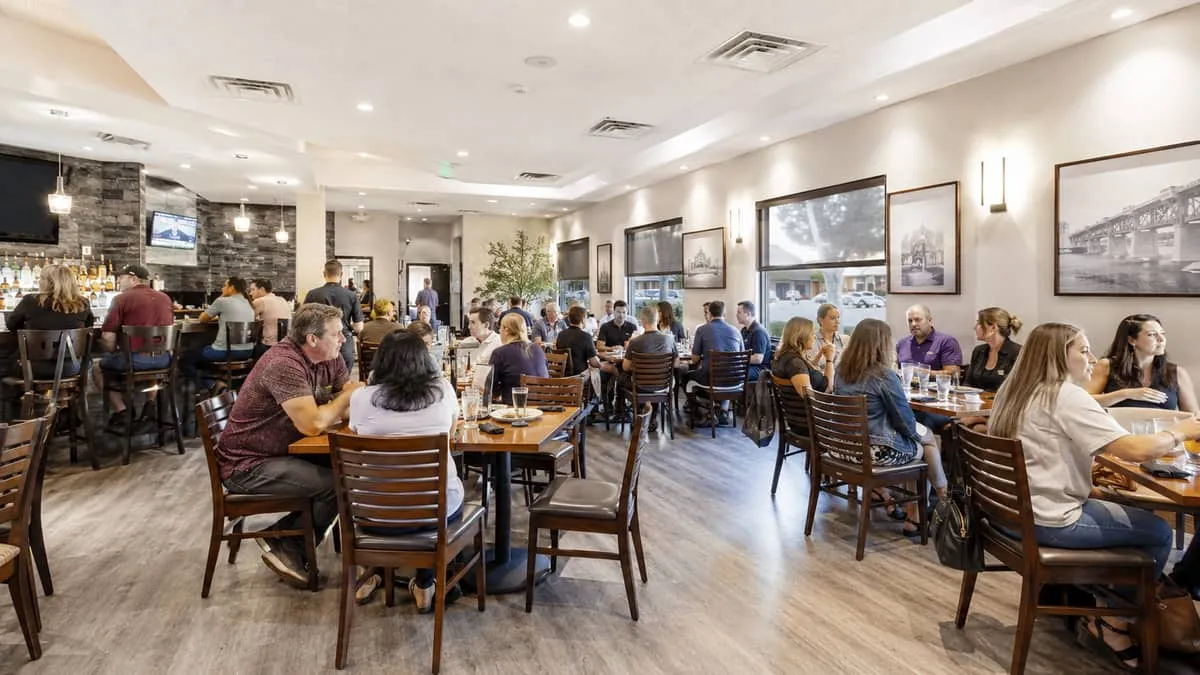
Why Contract-Grade Matters in a Prairie Market
The term contract-grade refers to furniture manufactured to commercial specifications, not residential ones. Frames are typically welded or reinforced at stress points. Glides are designed for hard floors and repeated repositioning. Upholstery is rated for tens of thousands of double rubs, not a few thousand. For a Saskatoon restaurant running two or three covers a night through a Prairie winter, that distinction is not abstract. It is the difference between chairs that hold up for five years and chairs you are replacing in eighteen months.
Contract-grade pieces also carry rated weight capacities, flame-retardant upholstery certifications, and warranties that protect you if something fails early. Retail furniture carries none of that. When you are outfitting thirty or forty seats, the cost difference between a contract chair and a retail chair looks significant upfront. Over a five-year operational window, contract-grade wins almost every time.
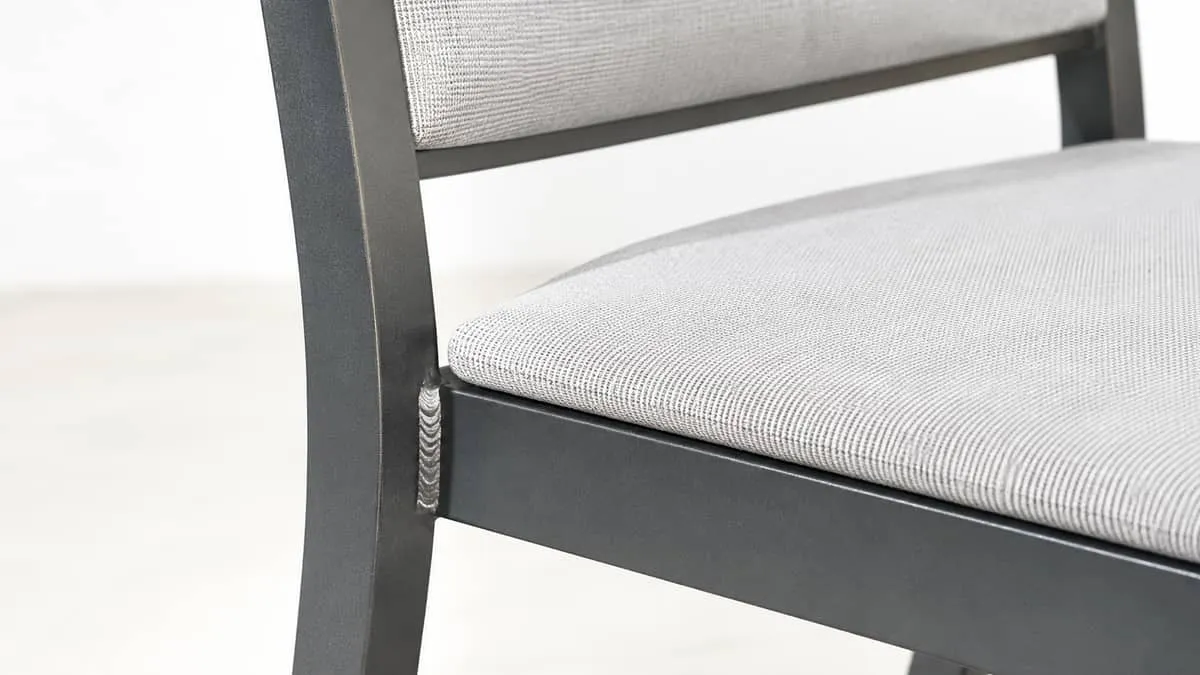
Durability and Upholstery Selection for High-Volume Use
Saskatoon has a demanding seasonal climate. Guests come in from cold and wet conditions in the fall and winter, and upholstery takes the hit. The right fabric choice for restaurant furniture Saskatoon depends on your concept, but a few categories perform consistently well in commercial settings.
Vinyl and bonded leather clean quickly and resist moisture from wet outerwear. For a more refined look, performance fabrics with a Martindale or Wyzenbeek rating of 100,000 double rubs or higher hold colour and texture through years of use. Crypton and similar coated fabrics handle spills and sanitizing chemicals without breaking down the surface over time.
For frame material, solid wood and metal both perform well in commercial use, but the spec matters. Solid beech and ash are common contract choices for chair frames. Steel tube and cast aluminum work well for barstools and outdoor-adjacent pieces. Avoid hollow frames with visible seams at stress points: they flex, they crack, and they fail.
If your concept leans into the WFPB and vegetable-forward dining trends gaining traction in Saskatoon, your interior should feel considered and warm without being precious. Natural wood tones, muted upholstery, and clean profiles communicate that without sacrificing durability.
Sourcing and Supplier Relationships
Most restaurant operators in Saskatoon are not purchasing from a local showroom with a dedicated commercial furniture line. The market is not large enough to support several of those. What you have instead are two realistic options: working with a regional or national contract furniture dealer who ships to Saskatchewan, or connecting directly with manufacturers that sell at volume.
For restaurant furniture Saskatoon sourcing, the lead time question matters more than operators expect. Custom upholstery and staining on contract pieces can run eight to fourteen weeks. If you are planning an opening or a seasonal refresh, build that into your timeline. Rushing furniture procurement leads to compromises that you live with for years.
Ask any supplier you evaluate for references from comparable commercial clients, not just a portfolio of photographs. You want to know how they handle a shipment with damaged pieces, how they process warranty claims, and whether they will send a replacement quickly or make you wait. In a market like Saskatoon, where your supplier relationship is likely remote, that after-sale support matters.
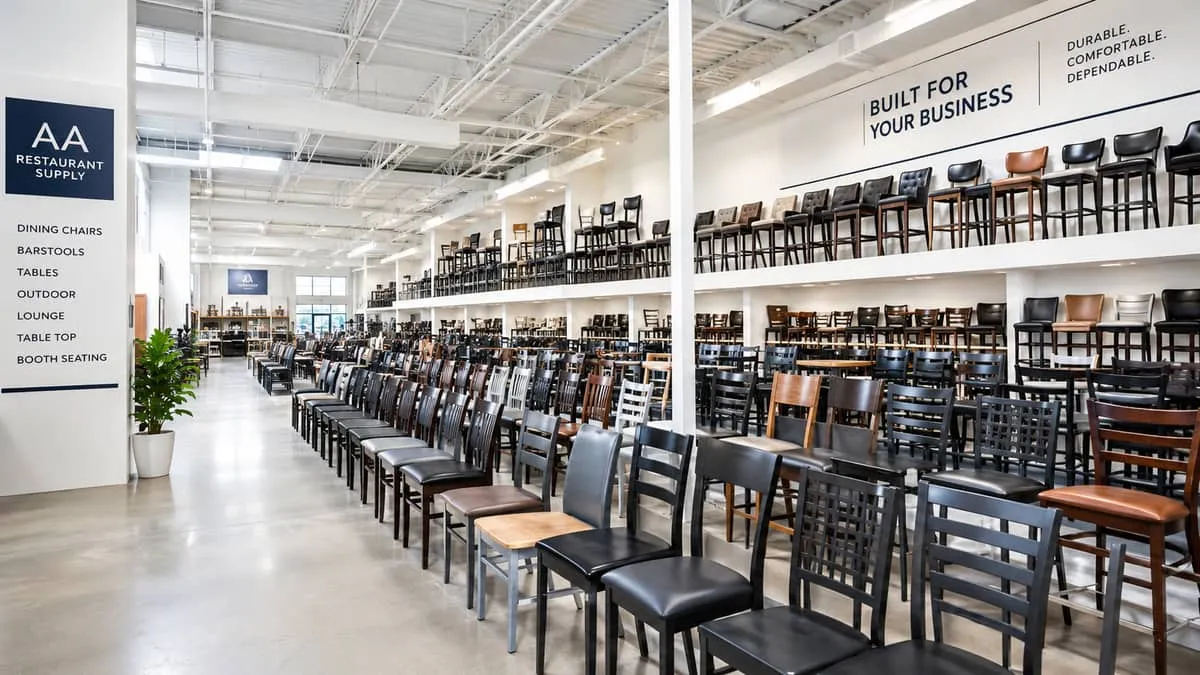
Tables, Barstools, and the Full Seating Mix
Chairs tend to get the most attention in furniture procurement, but tables and barstools deserve the same level of scrutiny. Table bases for commercial use should be cast iron or heavy-gauge steel, not lightweight aluminum that shifts under pressure. Table tops rated for commercial use have a protective finish that handles sanitizing chemicals and heat from dishes without lifting or clouding.
For Saskatoon concepts with a bar program, barstool specification is critical. Stools take more mechanical stress than chairs because guests pivot, lean, and sometimes stand on the footrest. Look for barstools with footrest supports that are welded, not screwed, and seat-height options that match your actual bar height before ordering.
Getting the full seating mix right for restaurant furniture Saskatoon means thinking about flow: how many four-tops versus two-tops, whether you need stackable chairs for flexible event use, and how booth seating integrates with freestanding pieces. A supplier with commercial hospitality experience can walk you through that planning process. One without it will sell you what they have in stock.
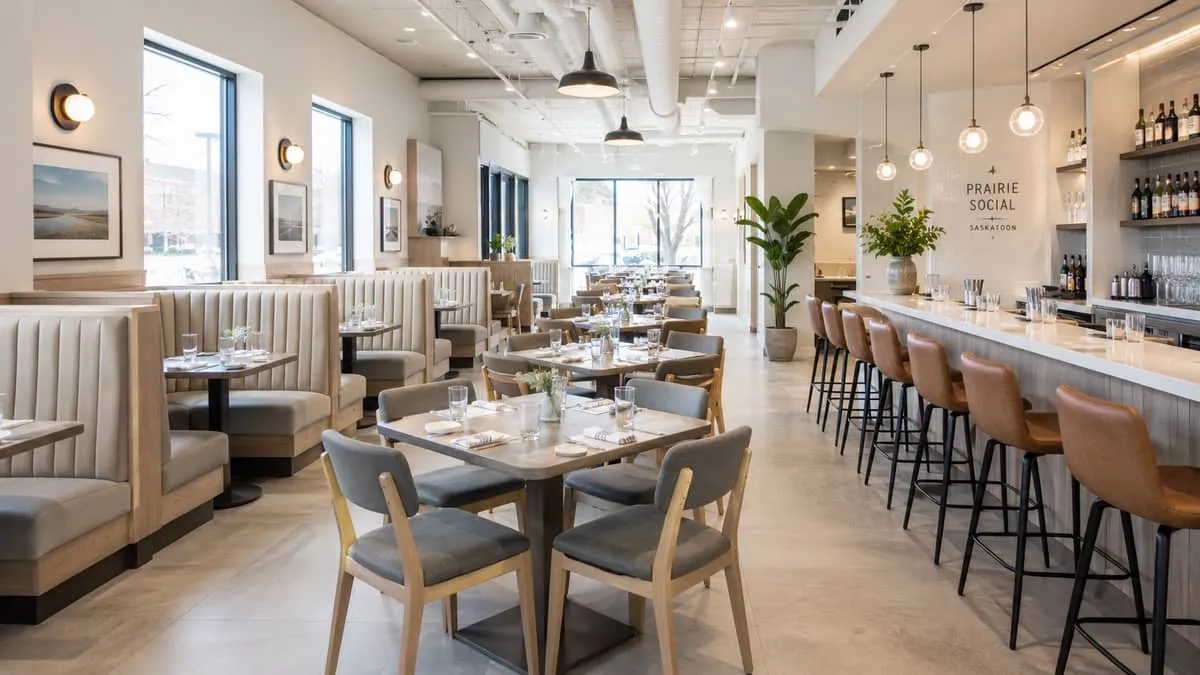
When you are ready to move forward on restaurant furniture Saskatoon, start with your layout, your cover count, and your concept before you start looking at price. The right supplier will help you spec from there. The wrong approach is choosing furniture because it looked good in a showroom photo and hoping the commercial performance follows.
Planning restaurant furniture for your Saskatoon project? Share your specs and quantities and we will build pricing around your actual program. Request a quote to get numbers for your space.