Fishtown is on every serious food publication's short list, and the operators running those restaurants did not get there by cutting corners on their interiors. The dining room is part of the pitch in Philadelphia in a way that distinguishes it from markets where the food alone carries the experience. From the craft-industrial joints on Frankford Avenue to the white-tablecloth dining rooms off Rittenhouse Square, from East Passyunk Avenue neighborhood institutions to the Old City rooms feeding convention crowds after sessions at the Pennsylvania Convention Center, the furniture in a Philadelphia restaurant is doing significant work setting tone, holding up under heavy service, and communicating something specific about who the restaurant is. Getting that spec right the first time is what separates a five-year program from an eighteen-month one.
What Philadelphia's Restaurant Districts Demand From Their Furniture
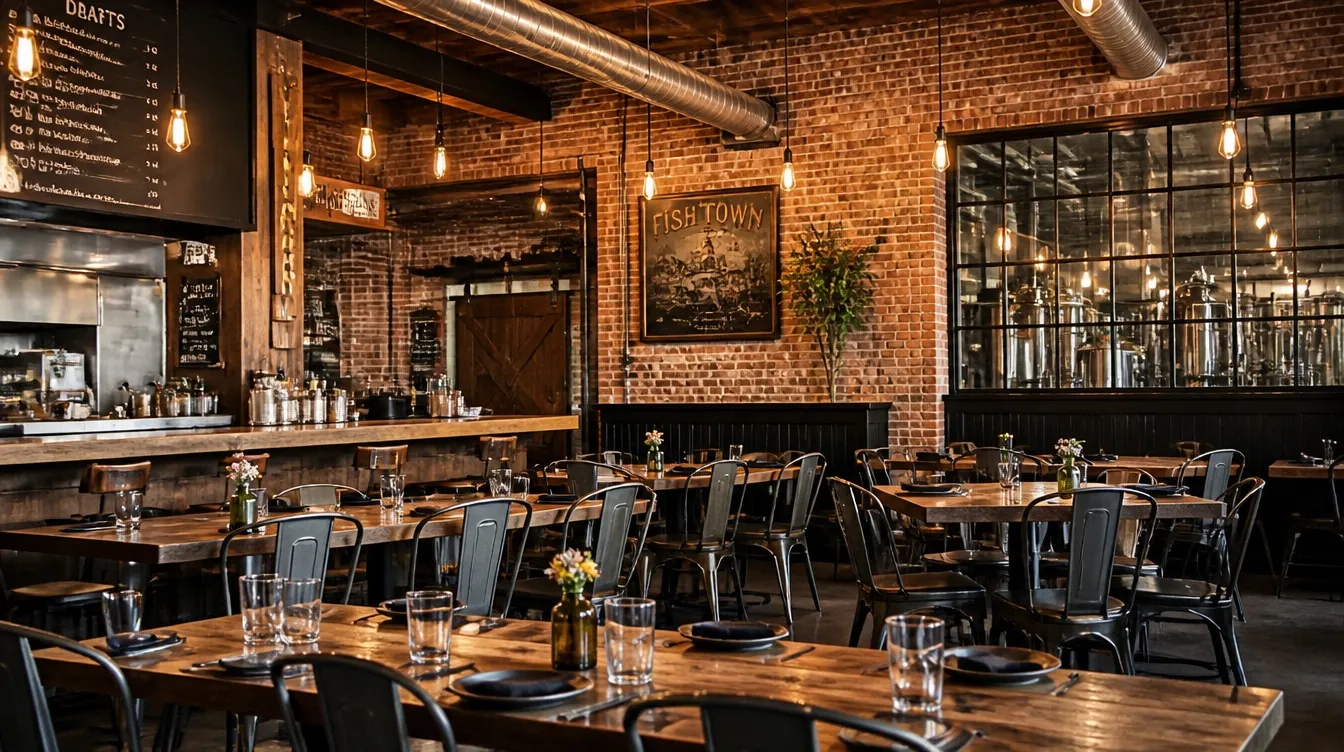
The range of restaurant furniture Philadelphia operators need is wider than most markets because the neighborhoods are genuinely distinct. Fishtown and Kensington-adjacent operations skew industrial-craft: welded steel frames, reclaimed wood table tops, metal-frame chairs with a raw or powder-coated finish, seating that photographs well under Edison-bulb lighting and handles a packed Saturday without looking exhausted by close. The guest demographic in Fishtown is nationally mobile and design-literate they will notice if the furniture feels cheap or inconsistent.
East Passyunk Avenue and South Philadelphia neighborhood restaurants tend toward warmer, more approachable interiors: wood-frame chairs in a medium stain, upholstered booth seating in a dark vinyl or leather that cleans fast, restaurant tables with a solid top that does not wobble after a year of hard service. The dining room needs to feel lived-in and welcoming without reading as neglected.
Rittenhouse Square white-tablecloth dining rooms demand a higher specification across the board. Restaurant chairs here are typically upholstered in performance leather or a high-grade woven fabric with a 50,000 double-rub rating minimum. Frames in solid wood with a clear lacquer finish, or metal in a brushed brass or oil-rubbed bronze, signal quality to guests who are spending accordingly. Banquette seating in a restaurant off Rittenhouse Square needs to photograph beautifully, hold its shape through a dinner service, and clean without specialist attention between turns.
Old City restaurant furniture benefits from materials that reference the neighborhood's colonial-historic character: warm wood in darker tones, aged iron hardware, leather or leather-look upholstery in tobacco or cognac. Exposed brick is common; furniture that fights that backdrop rather than working with it loses the room.
Durability Is the Spec Decision Most Philadelphia Operators Get Wrong
Philadelphia's restaurant market generates the kind of daily volume that exposes furniture failures quickly. A popular Fishtown spot running two full turns on a Friday and Saturday, plus a packed Sunday brunch, is cycling through several hundred guests per week across its dining room chairs. A commercial-grade chair with a proper welded frame and fabric rated for genuine restaurant use will hold that program for five to seven years. A retail or contract-adjacent chair that looks similar in a showroom will show seat compression, frame wobble, or upholstery failure within eighteen months.
The minimum viable spec for a Philadelphia restaurant in a high-traffic format: steel or solid-wood frames with welded or corner-blocked joints, not stapled or fastened with production shortcuts. Fabric rated at 30,000 double rubs minimum for low-traffic seating; 50,000 or higher for dining chairs in the primary seating area. Bar stools should be rated for commercial weight loads, with footrests that are solid metal not hollow tube because hollow footrests dent and fail under the lateral pressure of daily bar service. Table bases should be specified with floor glides, not rubber feet, so the staff can slide and adjust without tearing up the floor surface.
Convention Center hotels and event-adjacent restaurants in Center City deal with an additional burden: sudden volume spikes when a major pharmaceutical or healthcare conference hits the Pennsylvania Convention Center. A restaurant that seats 80 on a normal Tuesday needs its furniture to handle three turns on a conference Wednesday without chairs wobbling or table bases shifting. That kind of performance requires a commercial-grade spec, not a design-grade one.
Procurement Timing in a Market That Does Not Slow Down
Philadelphia's restaurant market does not have a true off-season. The Pennsylvania Convention Center runs year-round programming. Eagles and Phillies playoff runs create demand spikes that fill every restaurant in the city. Fishtown and Passyunk are busy every weekend regardless of what is happening at the convention center. That means the window for a furniture refresh or a new restaurant buildout is genuinely narrow operators who miss the brief pre-summer opening window often lose an entire season of revenue while waiting for product.
Custom upholstered pieces booth seating, banquettes, upholstered dining chairs carry eight to twelve week lead times from fabric approval. Standard commercial side chairs and bar stools in stocked finishes can often ship in four to six weeks. Know your timeline before your opening date is set, not after. For any restaurant project in Philadelphia targeting a spring or fall opening, put purchase orders in place in January or August respectively to have real confidence in your delivery window.
We quote restaurant furniture for Philadelphia operators against their own layouts and order sizes rather than a generic sheet. Request a quote and we will put together pricing for your property.
Related reading
- What is contract furniture
- Hotel furniture supplier guide
- Hospitality furniture supplier guide
- Restaurant dining chairs
- Restaurant bar stools
- Restaurant tables
- Browse full catalog
- Commercial furniture in Pennsylvania
Our take
Fifty thousand double rubs is set as the general minimum for dining chair fabric in the primary seating area, while a separate passage describes Convention Center-adjacent restaurants absorbing three full turns on a conference Wednesday against one on a normal Tuesday. The fifty thousand figure is presented as a general Philadelphia standard, not calibrated to that specific spike pattern. A restaurant that only meets the stated minimum is specifying to an average week, not to the recurring three-turn event day the post itself identifies as a real and predictable feature of operating near the Pennsylvania Convention Center.
The bottom line: Restaurants operating near the Pennsylvania Convention Center should treat the fifty thousand double rub minimum the post cites as a floor rather than a target, given the three-turn conference day volume the post separately describes for that specific geography.