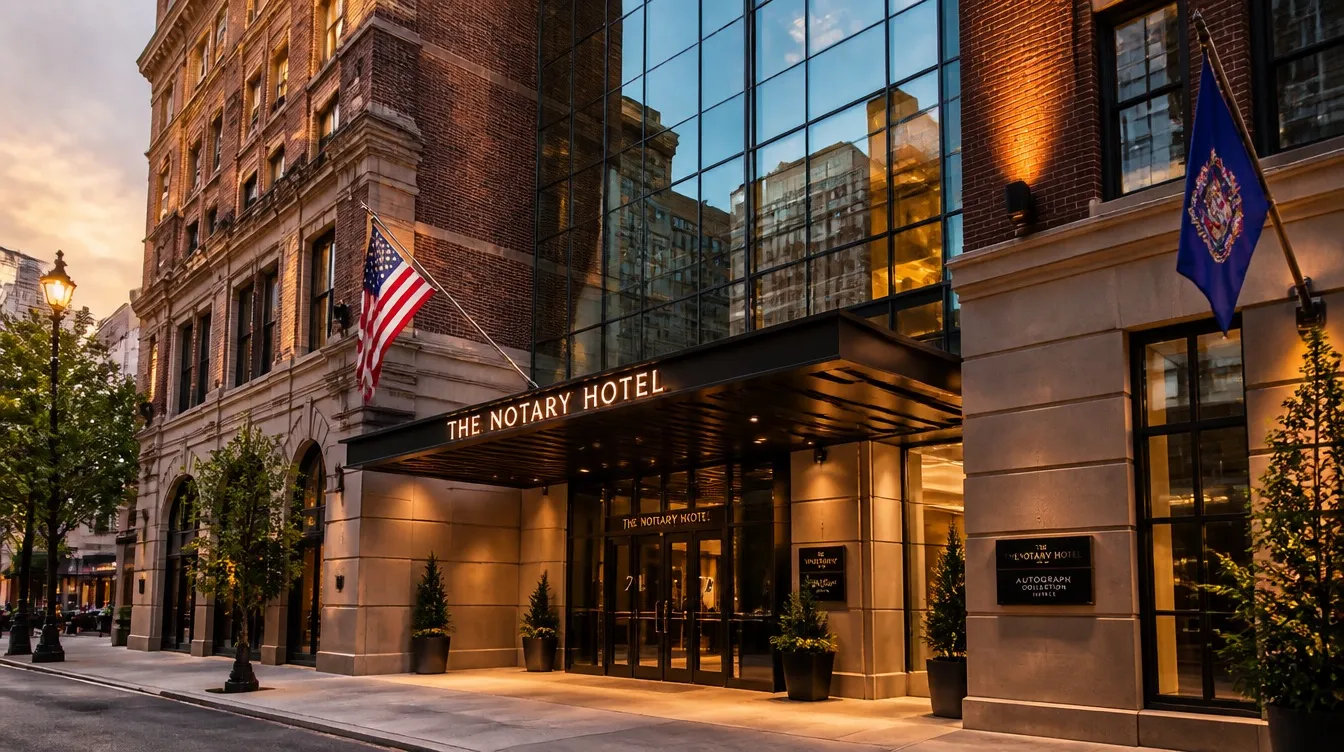
The boutique hotel opening in a converted Federal-era building in Old City does not have the same furniture problem as the new-build boutique positioning itself in Fishtown to capture overflow from that neighborhood's national food scene. Both are boutique properties. Both need furniture that makes a design argument that justifies the rate. But the materials, finishes, and palette that work in a building with original wide-plank floors and exposed brick masonry are not the same as what works in a former industrial building with poured concrete floors and steel window frames. Philadelphia's boutique hotel market is growing fast, and the operators succeeding in it are the ones who understand that distinction before the purchase order goes out.
Old City, Fishtown, and Rittenhouse: Three Boutique Markets With Three Different Furniture Programs
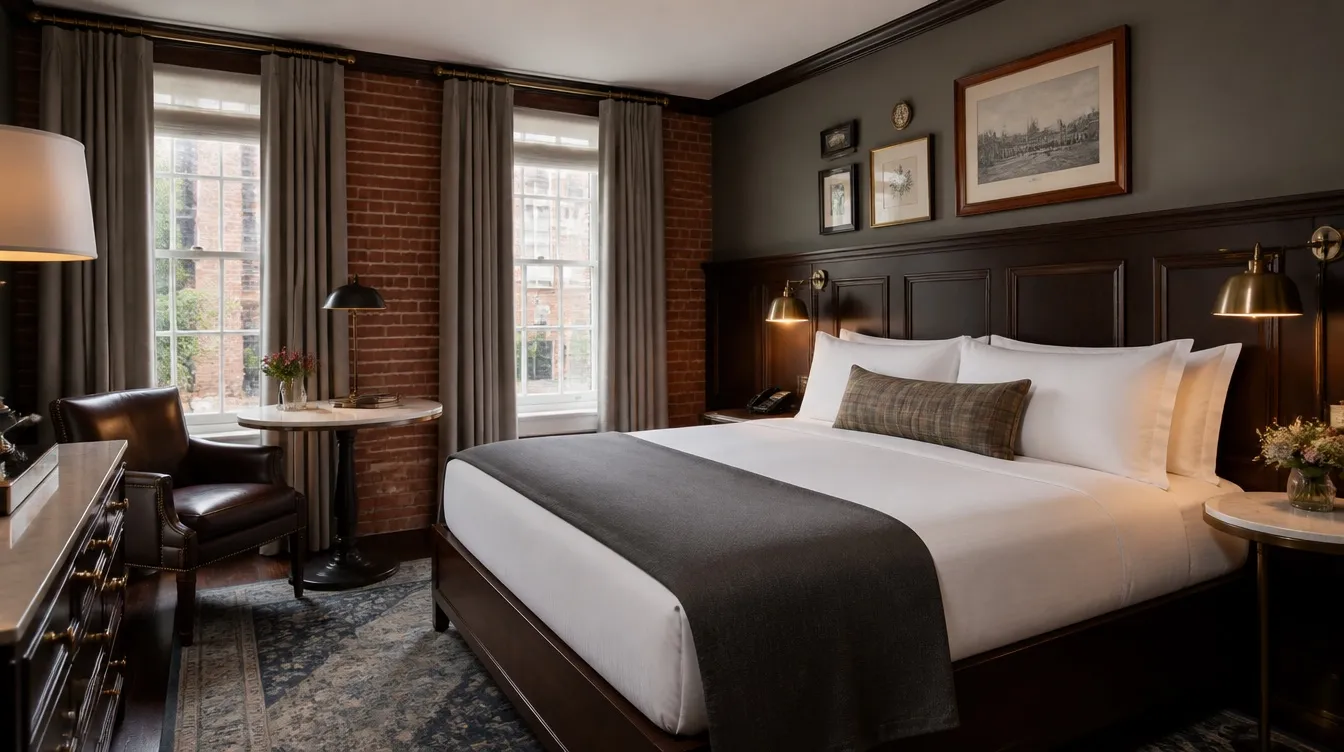
Old City's boutique hotels occupy buildings that are part of Philadelphia's identity Colonial and Federal-era structures within blocks of Independence Hall and the historic district. The furniture program in an Old City boutique has to honor that context without becoming a period reproduction. Warm wood in mahogany or darker walnut, aged brass hardware, tobacco leather upholstery, and iron accent pieces translate the historical vocabulary into a contemporary hospitality register. Hotel headboards in this context should have a presence a strong profile with quality upholstery without reading as hotel-generic. Case goods in a deep espresso or mahogany finish ground the room against the warm brick and plaster walls typical of these buildings.
Fishtown boutiques are working in a different aesthetic territory. The neighborhood's identity is industrial-craft the same sensibility that made Fishtown a national food destination has now made it a destination for design-conscious boutique hospitality development. Furniture programs here lean darker and more textural: reclaimed or wire-brushed wood surfaces, frame metal in a matte black or oil-rubbed iron, upholstery in a dark navy or charcoal fabric with natural material texture. Lobby lounge chairs in a Fishtown boutique should feel considered and authentic not catalog-purchased, and definitely not the generic upholstered chair program that a limited-service brand property would spec.
Rittenhouse Square boutiques serve a different clientele: high-spend corporate travelers, medical and pharmaceutical executives attending conferences at the Pennsylvania Convention Center, and leisure guests who chose a boutique specifically to avoid the large-hotel experience. Furniture here is upscale contemporary rich leather in tobacco or cognac, quality wood in deep walnut, hardware in brushed gold or polished brass. The spec in a Rittenhouse Square boutique overlaps more with a luxury hotel than with a lifestyle brand, and the price points should reflect that.
Why Historic Building Renovation Changes the Furniture Spec
Boutique hotel furniture Philadelphia projects in historic buildings carry constraints that out-of-market suppliers consistently underestimate. A Colonial-era building in Old City may have guestrooms that are narrower than what modern hotel design anticipates rooms where a standard king bedframe does not fit through the doorway in its assembled state, or where a casegoods piece specified at a standard hospitality dimension cannot navigate the corridor from the service entrance to the room.
These are not edge cases in Philadelphia's Old City historic conversion market. They are common enough that any boutique FF&E project in a pre-20th-century Philadelphia building should include a full site measurement survey before the purchase order is placed. Suppliers who work regularly in Philadelphia's historic building stock know to ask for that documentation before finalizing dimensions. Those who do not will spec furniture to a standard catalog size and discover the problem on installation day.
The finish durability question is also different in a historic building context. Original wide-plank floors, exposed brick, and plaster walls provide a design baseline that is genuinely difficult to match with a lazy furniture spec. Furniture that looks adequate in a newer commercial space may look cheap or incongruous against original 18th or 19th-century building materials. The bar for finish quality in Old City boutique furniture programs is higher than the bar for a new-build boutique in a 2015 mixed-use development.
The Business Travel Demand That Makes Philadelphia Boutiques Viable
Philadelphia's boutique hotel sector is viable at higher rate points than it would be in many comparable cities because the business travel demand is genuinely strong. Comcast NBCUniversal's Center City headquarters, the Penn Medicine and Jefferson Health systems, and the pharmaceutical and biotech corridor extending to the GSK and Merck campuses in the suburbs generate a steady flow of high-spend business travelers who prefer boutique properties to branded hotels when quality of design and service is comparable.
The Pennsylvania Convention Center's pharmaceutical and healthcare conference calendar one of the most consistent in the country, given Philadelphia's position in the national healthcare industry means boutique properties in Center City and Old City see extended midweek occupancy from exactly the guest profile that pays premium rates and comes back repeatedly. Those guests will notice a lobby chair with sagging foam, a headboard that has pulled away from the wall, or a casegoods piece with a finish that has gone patchy. Boutique hotel furniture Philadelphia properties invest in has to hold up through five to seven years of that guest profile, not just look good for the opening press coverage.
Procurement Lead Times for Boutique Hotel Projects
Custom boutique furniture upholstered headboards in a property-specific fabric, custom casegoods in a bespoke finish, statement lobby pieces runs twelve to sixteen weeks from final approval to delivery. For any Philadelphia boutique targeting an opening date tied to the convention center calendar or the fall shoulder season, that clock needs to start no later than six months before the target opening. Budget an additional four to eight weeks for sample approval, finish review, and inevitable specification adjustments.
For Philadelphia properties comparing boutique hotel furniture options, project-specific pricing tells you more than any published range. Request a quote and we will scope it to your space and volume.