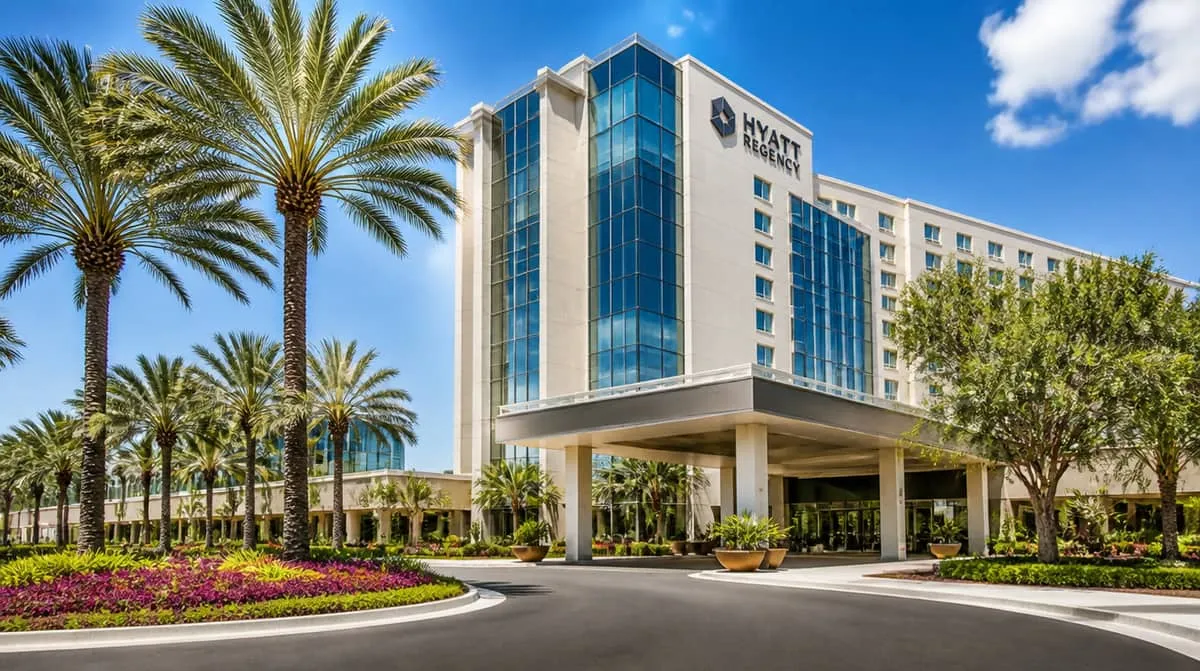
Orlando's restaurant industry operates at a scale most cities never approach. Millions of theme park visitors, convention delegates, and leisure travelers need to eat every day, year-round and the properties that serve them see table turnover rates that would be unimaginable in a typical urban dining market. Furniture in an Orlando restaurant is not measured in years. It is measured in covers, and those covers add up fast.
Orlando's Restaurant Market: Volume, Variety, and Velocity
The dining corridors in Orlando are unlike anything else in Florida. Sand Lake Road known locally as Restaurant Row lines its stretch with upscale independents and regional concepts that draw both locals and hotel guests from the surrounding area. Pointe Orlando on International Drive clusters entertainment-forward dining alongside retail. Disney Springs contains some of the highest-grossing restaurant locations in the entire country. Downtown Orlando's creative dining scene, centered around the Church Street and Mills 50 neighborhoods, serves a more local design-forward audience.
Each of these environments has distinct furniture requirements, but they share one common denominator: extraordinary volume. A busy restaurant at Disney Springs or on I-Drive can turn a 200-seat dining room multiple times per evening, every single night of the year. That means dining chairs absorbing tens of thousands of seating cycles annually.
Convention-adjacent restaurants face their own version of high-volume pressure. When the Orange County Convention Center is running a large event InfoComm, a major medical conference, a tech summit drawing tens of thousands of attendees nearby restaurants on I-Drive and in the Convention Center District serve wall-to-wall groups for days at a stretch. Large-party dining and banquet-style service layouts demand chairs and tables that can be reconfigured quickly without damaging floors or upholstery.
International tourist traffic adds another dimension. Orlando draws enormous numbers of Brazilian, European, and Latin American visitors, many of whom travel in large family or tour groups. Communal dining, group seating, and high chairs (alongside regular dining chairs) are the everyday reality for I-Drive operators.
Durability requirements here are strict. Dining chairs should be specified with commercial-grade frames welded steel or solid hardwood and upholstery in performance fabric rated for 100,000+ double-rubs. Standard residential or light-commercial furniture simply will not survive a full season on Restaurant Row.
Design Directions for Orlando Restaurants
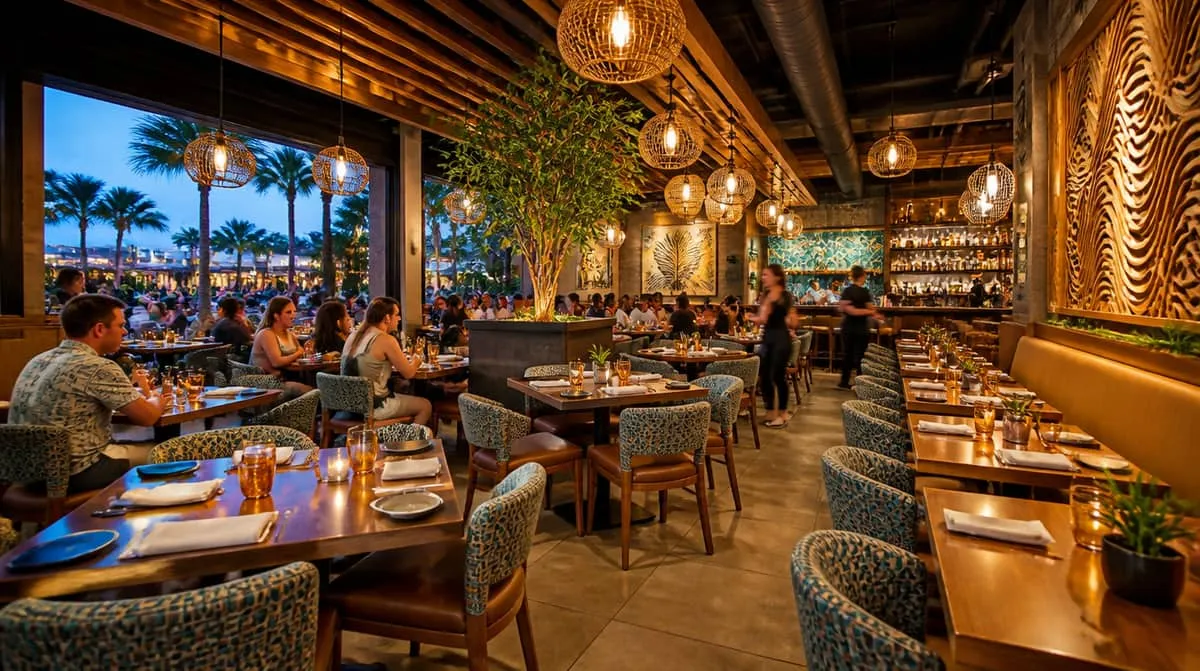
Orlando's restaurant aesthetics span a wide range, but the dominant register in hotel-adjacent and tourist-corridor dining is Florida resort-contemporary: warm whites and sandy neutrals, natural wood tones, bright pops of tropical color used as accents rather than dominant palette. Clean lines read well in photos, which matters enormously when Instagram and Google reviews drive dining decisions for visitors researching restaurants before their trip.
Downtown Orlando's independent scene leans more eclectic and design-forward mixed materials, exposed metals, darker moody palettes in evening-focused concepts. Furniture choices here emphasize character and individuality. A well-chosen dining chair with a distinctive silhouette becomes part of the brand identity.
Outdoor seating is a major factor across all segments. Florida's year-round climate makes patios productive nearly every month, which means outdoor-rated dining chairs and tables need to be specified with UV-stable frames and fabrics that resist Orlando's afternoon rain cycles and intense summer humidity. Aluminum frames with powder-coat finishes, or all-weather resin wicker, are the practical standard.
For bar-adjacent dining and lounge-style concepts, barstools with back support and footrests are preferred over backless perches they keep guests comfortable through longer seatings, which increases per-check spend.
Procurement for Orlando Restaurant Operators
Restaurant operators opening on I-Drive, Sand Lake Road, or in the hotel-adjacent dining corridors often face tight timelines tied to hotel opening schedules or lease obligations. Planning furniture procurement 10-12 weeks ahead of your target open date is advisable for custom-specified items. Ready-to-ship stock can close gaps in shorter timelines.
Volume purchasing is common among restaurant group operators who manage multiple concepts across the Orlando market. Consolidating chair and table orders across locations reduces per-unit cost and ensures visual consistency if concepts share design language.
For phased expansions adding patio seating, expanding a bar area, or opening a private dining room incremental orders against an established spec are straightforward to process. Maintaining your original spec on file ensures new pieces match existing inventory without requiring a full redesign exercise.
Pricing for restaurant furniture in Orlando depends on quantities, finishes, and your delivery window, so a project-specific quote beats any list figure. Request a quote to get yours.