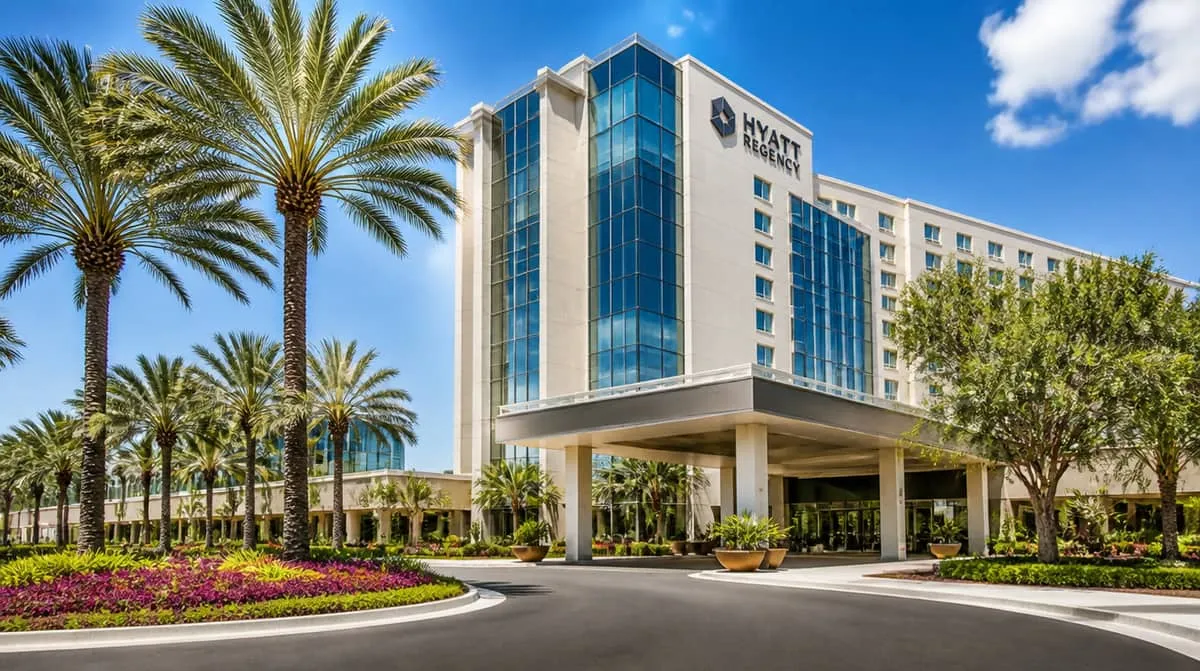
Beyond the massive convention hotels and Disney-area resorts, Orlando has a growing boutique hotel sector that competes on design, experience, and individuality. These properties concentrated in Downtown Orlando, along creative I-Drive pockets, and in emerging neighborhoods like Thornton Park and the Milk District attract guests who actively choose character over scale. Furnishing them requires balancing distinctive aesthetic vision with the same punishing durability requirements that govern every Orlando property.
Orlando's Boutique Hotel Landscape
Boutique hotels in Orlando face a paradox: they need to feel intimate and design-led, but they operate in the most high-volume tourism market in the United States. A boutique property with 80 rooms in Downtown Orlando or near the I-Drive entertainment corridor still cycles through enormous guest volume. Theme park visitors, convention delegates seeking an alternative to the big-box hotels, and domestic leisure travelers all find their way to boutique properties and they arrive with luggage, sunscreen, and the expectation that the space will look as good in person as it did in the photos that sold them on the booking.
That photo-worthiness is not incidental to the boutique business model it is central to it. Boutique hotels in Orlando compete on Airbnb aesthetics and Instagram shareability in ways that large convention hotels do not. A striking lounge chair in the lobby or a design-forward sofa in a common area becomes content that guests generate and share organically. This drives bookings far more efficiently than paid advertising for a property without the marketing budget of a major chain.
Downtown Orlando's boutique properties are particularly design-conscious. The city's arts district and the creative community around the Mills 50 corridor have shaped a local aesthetic sensibility that values texture, craft, and materiality. Boutique operators here often specify furniture with handmade or artisanal character woven upholstery, natural rattan or cane accents, solid wood frames with visible grain rather than the smooth corporate neutrals that work for convention hotels.
The Orange County Convention Center's proximity is relevant even for boutique operators. A boutique hotel that positions itself as an alternative to the I-Drive convention hotel block often specifically markets to attendees who want design-led accommodation within a short rideshare of the OCCC. That guest profile is design-literate and has high expectations.
Furniture Specifications for Orlando Boutique Properties
Florida resort-contemporary runs warmer and more layered in boutique properties than in convention hotels. Expect tropical accents palm-leaf or botanical patterns in moderation, warm coral or aqua used as statement colors rather than wall-to-wall palette combined with natural textures and performance materials.
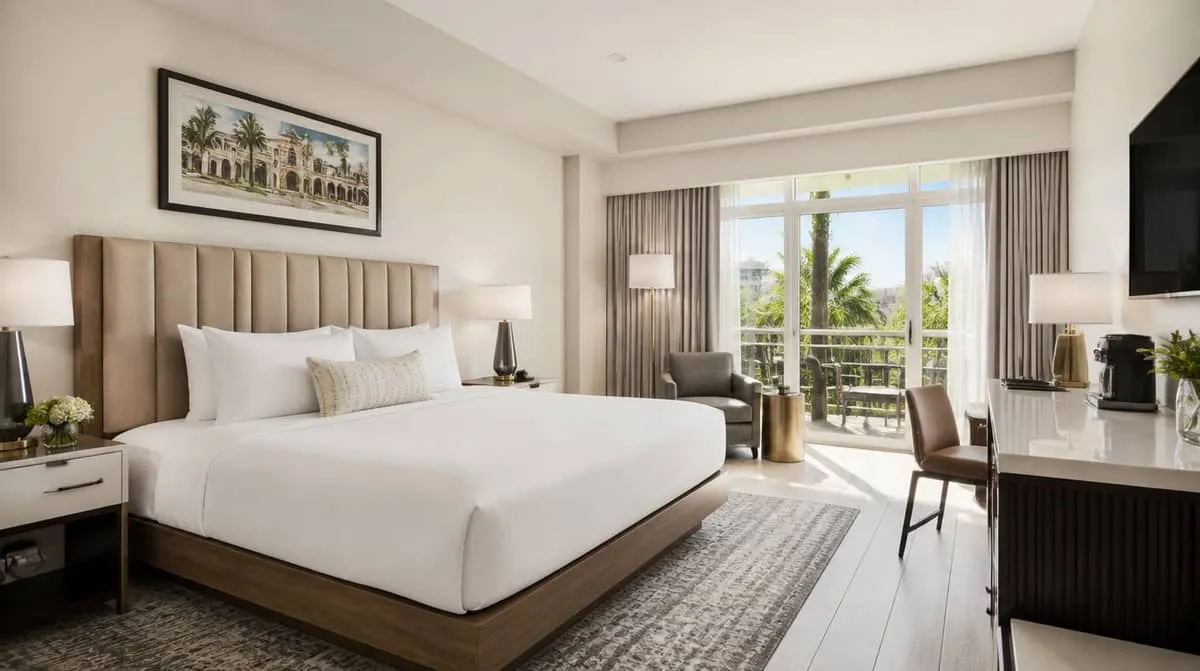
For guestrooms, headboards are often the single most design-forward piece. Boutique operators in Orlando frequently specify upholstered headboards in statement fabrics textured bouclé, subtle tropical print, or rich jewel-toned velvet while keeping the rest of the room in grounding neutrals. This creates a high-impact design moment without overwhelming the space. Frames should still be contract-grade: welded steel or solid hardwood with corner blocking and double-dowel joinery.
Lobby and common area seating in boutique Orlando properties works best when it layers different piece types. A mix of sofas, lounge chairs, and ottomans in complementary fabrics creates the lived-in, curated feeling that distinguishes boutique hospitality from hotel chain sameness. Performance fabrics in a wider range of colors and textures are available in contract grades that meet the durability requirements without sacrificing the aesthetic.
Outdoor furniture for boutique pool decks and rooftop bars in Orlando needs to handle UV exposure and humidity while still reading as design-intentional. Powder-coated aluminum in matte finishes deep navy, forest green, matte black paired with performance-fabric cushions delivers both durability and visual distinctiveness.
Procurement Approach for Boutique Properties
Boutique hotel operators typically work with smaller room counts than convention properties, but the procurement process requires just as much attention to specification quality. Lead times for custom-upholstered pieces and custom-finish frames run 10-14 weeks; planning ahead is essential, particularly for properties targeting a specific opening date around an Orlando tourism high season.
Boutique operators benefit from working with a supplier who can source across multiple product categories in a single order guestroom seating, lobby pieces, outdoor furniture, and bar seating rather than coordinating four separate vendors. Consolidated procurement simplifies logistics and ensures visual coherence across the property.
For phased renovations of existing boutique properties, a room-by-room approach is common: refresh guestrooms during low-occupancy windows while keeping the lobby operational, or vice versa. Matching existing finishes exactly is easier when your original furniture supplier maintains your spec on file.
If you are sourcing boutique hotel furniture for your Orlando property, the fastest way to real numbers is to tell us what you need. Request a quote with your quantities and timeline.