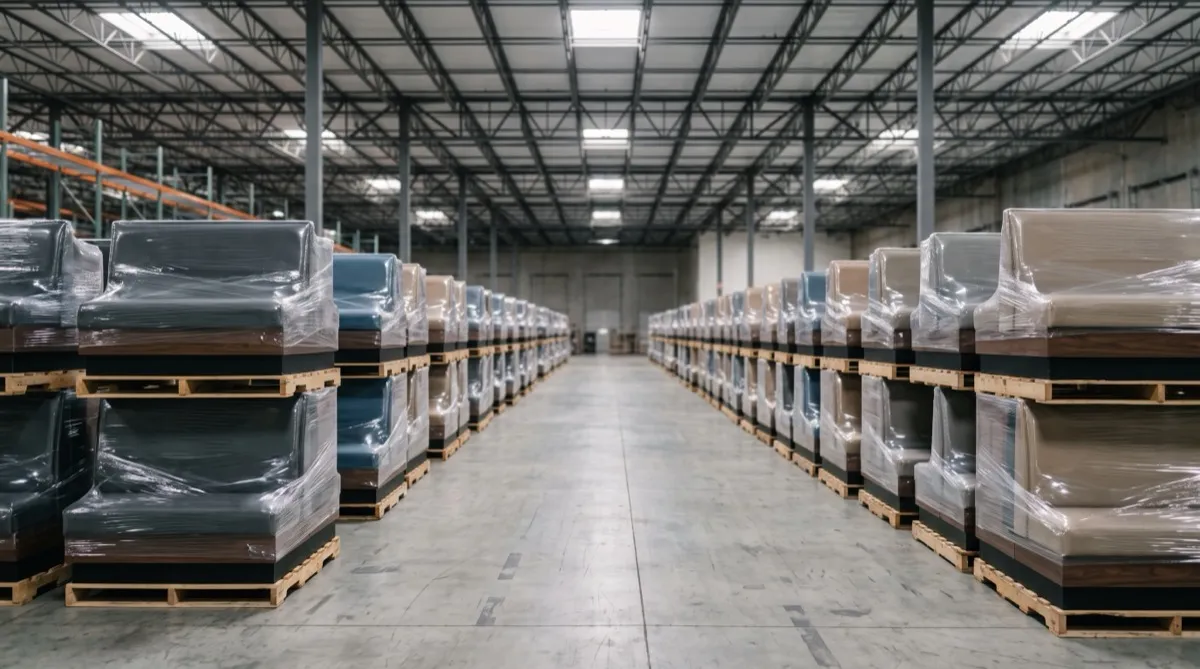
Restaurant booths are priced differently than almost anything else in a dining room, and that trips up a lot of first-time bulk buyers. A chair is a chair, priced per unit. A booth is priced per linear foot of bench, because the bench, the back panel, the base, and the end caps all scale with length. If you are outfitting a new build or refreshing seating across several locations, the first thing to nail down is not "how many booths" but "how many linear feet of banquette, in what configuration."
What booth seating wholesale pricing actually covers
When a restaurant group buys booth seating wholesale, they are buying a modular system, not a single furniture piece. A standard two-top booth section runs roughly 3 to 4 linear feet per side. A four-top runs 5 to 6 feet. Corner units, curved sections, and center-back "island" booths that seat two rows back to back cost more per foot because they require more structure and more finished surfaces.
Per-linear-foot pricing at volume commonly lands in the $150 to $350 range for standard vinyl-upholstered booths with a laminate or wood base, depending on foam density, upholstery grade, and whether the back panel is upholstered, wood, or a mix of both. Fully custom shapes, tufted or channel-stitched backs, and premium leather or performance fabrics push toward the top of that range and beyond. That is a wider spread than a stacking chair sees, which is exactly why getting a real quote against your floor plan matters more than a generic per-unit number.
For comparison, if your layout also includes freestanding seating, steel-frame stacking banquet chairs run $45 to $90 per unit and commercial barstools run $110 to $320. Many restaurant groups mix booths along the walls with tables and chairs in the center of the room, so it is worth pricing the whole floor plan together rather than the booths in isolation. You can rough out a combined budget with the furniture cost calculator before you request formal numbers.
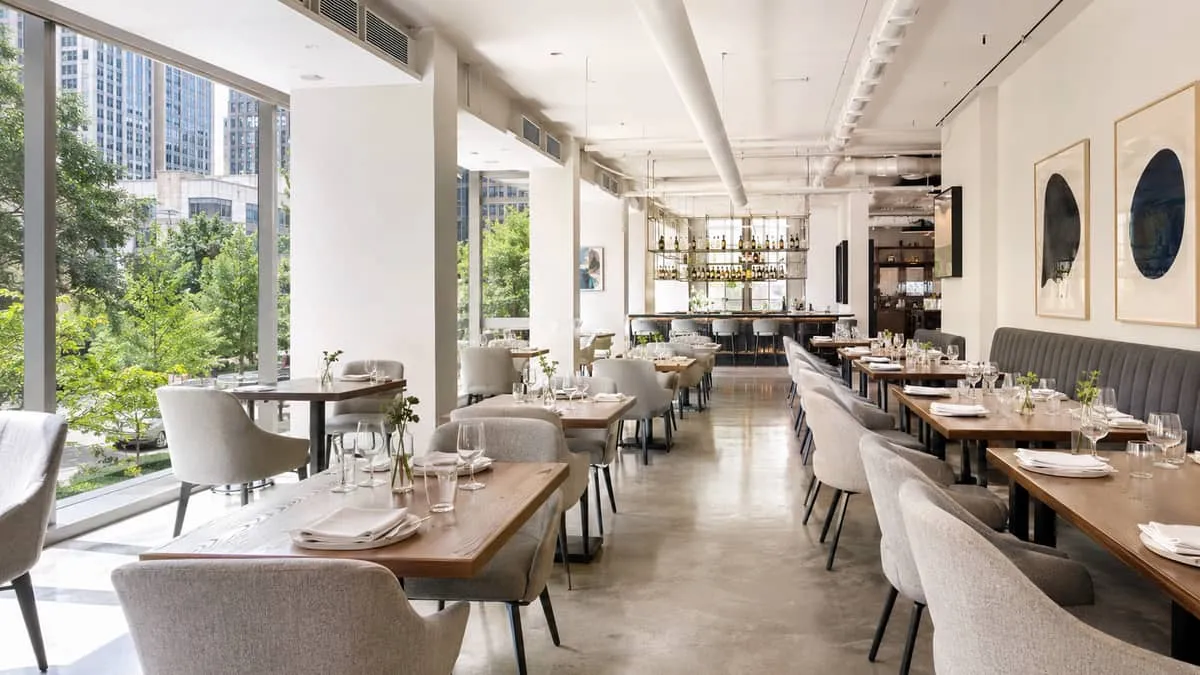
Stock vs custom, and why it changes your timeline
Stock booth programs come in a set menu of lengths, colors, and base styles. You pick from what is available, and it ships faster because the components are already tooled. Custom booths let you match a exact brand color, a specific back height, a curved bay window section, or a unique base detail, but every custom spec adds engineering and production time.
Lead times reflect that gap. In-stock booth lines typically ship in 2 to 6 weeks. Custom fabric, custom colors, or custom shapes run 8 to 14 weeks, and multi-location rollouts with dozens of custom units can land at the longer end of that window because production is batched. If you are opening on a fixed date, work backward from that date and add buffer. A restaurant group opening five locations in a year should be placing the next location's booth order while the current one is still being installed.
Layout planning before you order
Booths are built to a floor plan, so measure before you price. A few things to nail down before you request a quote:
- Wall length and obstructions. Outlets, HVAC returns, and structural columns all affect where a booth run can start and stop.
- Seat depth and table clearance. Standard booth seat depth runs 18 to 22 inches, and you need enough clearance from the table edge for guests to slide in comfortably.
- Back height. Low-back booths (around 30 to 36 inches) keep sightlines open across the dining room. High-back booths (42 inches and up) create more privacy per table but block views and can make a small room feel smaller.
- End caps and returns. Where a booth run meets a wall, a walkway, or another booth, you need a finished end panel. That detail is easy to forget in early sketches and it adds cost per unit.
- Base style. A wood or laminate kick base is standard and easiest to clean under. Upholstered bases look more finished but show wear faster in high-traffic aisles.
What to check before placing a volume order
- Frame and bench construction. Look for a hardwood or steel-reinforced frame under the upholstery, not just a plywood shell. This is what keeps a booth from racking or squeaking after a year of nightly service.
- Foam density and support. Commercial booth foam should hold its shape through a full dinner service, every night, for years. Ask for the foam spec, not just "commercial grade."
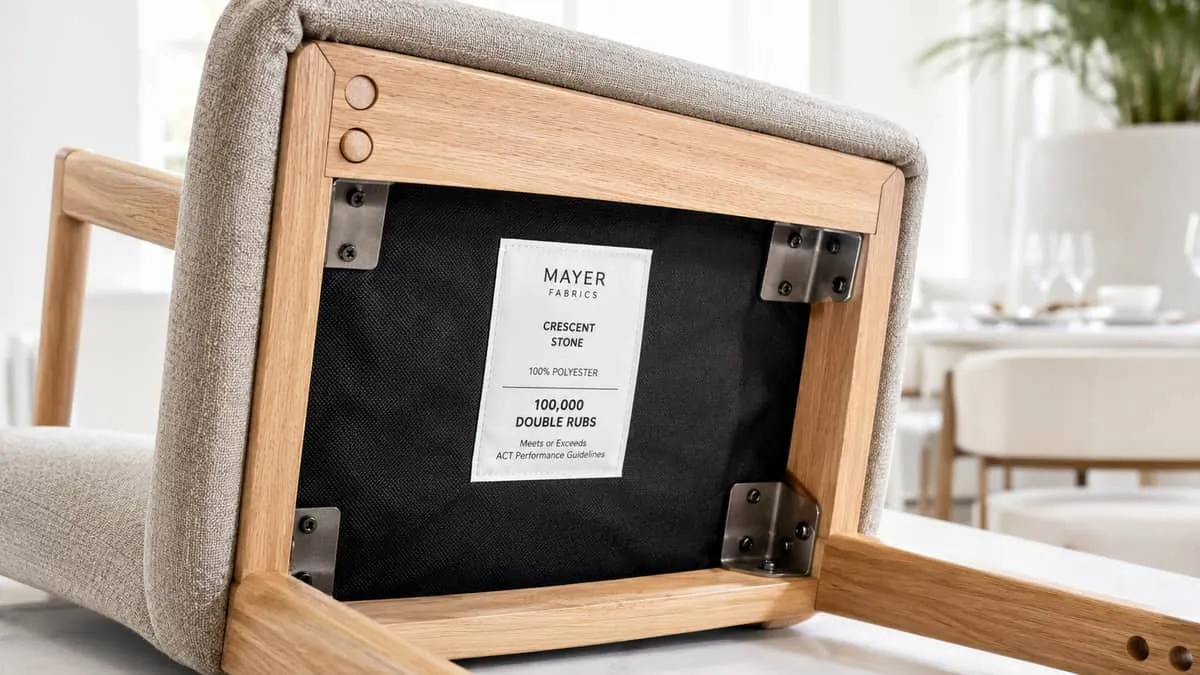
- Upholstery double-rub count. For a restaurant booth, aim for at least 50,000 Wyzenbeek double rubs on vinyl or performance fabric. This is the single biggest driver of how the booth looks in year three.
- Weight rating and stability. Booths get leaned on, climbed over by kids, and shifted during cleaning. Confirm the base is rated for that kind of use, not just static seating load.
- Sample first. Because booth upholstery and finish are highly visible and hard to change later, request a physical sample of your fabric and base finish before committing to a full multi-location order.
- Floor protection. Confirm glides or a base pad that protects your finished flooring, especially if booths will be moved during buildout or periodic deep cleaning.
Freight for booth orders
Booths are bulky and often oversized for standard parcel shipping, so most wholesale booth orders move LTL (less than truckload) or full truckload depending on the size of the order. Freight cost depends heavily on your delivery zip code, whether the site has a loading dock or needs a liftgate truck, and whether the address is a standard commercial location or a limited-access job site still under construction. Have those delivery details ready when you request a quote, because they change the freight number more than almost anything else in the order.
Getting a real number
Generic per-foot pricing is useful for early budgeting, but a real quote needs your floor plan: linear footage by section type, back height, base style, fabric or vinyl selection, and delivery zip. Request a quote with those details and your target install date, and include whether you are ordering for one location or planning a multi-location rollout, since that affects both pricing tiers and production scheduling.