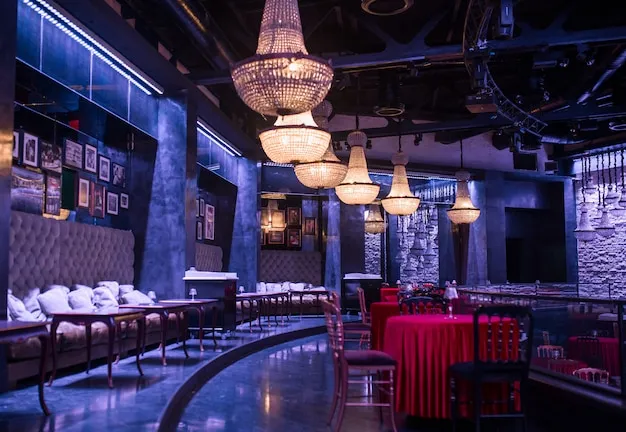
Commercial nightclub furniture lives a harder life than almost any other category of hospitality seating. People stand on it, dance near it, spill on it, lean their full weight against it, and move it dozens of times a night. A piece that looks great in a showroom can fall apart in a working club within a single season. If you are specifying for a bar, lounge, or nightclub, the buying decision is less about style and more about whether the construction survives the environment.
Here is what to look for before you commit to an order.
What makes nightclub furniture different
A nightclub or high-volume bar puts unusual stress on furniture. The use case is not someone sitting quietly for an hour. It is constant turnover, standing-height crowding, frequent rearrangement, and exposure to liquids late into the night. Three things separate commercial nightclub furniture from ordinary commercial seating.
Reinforced frames. Lounge club seating in a nightclub gets sat on by groups, leaned on, and sometimes climbed on. Welded steel frames or laminated hardwood with reinforced joinery are the baseline. Stapled or glued residential joints will loosen within months.
Sealed, wipe-clean surfaces. Bar furniture commercial buyers should assume every surface will get hit with alcohol, mixers, and water. Vinyl and performance upholstery with sealed seams, plus non-porous table tops, are standard. Open-weave fabric and untreated wood are liabilities in this setting.
Moveable but stable. VIP sections get reconfigured constantly. Banquettes, ottomans, and low lounge seating need to be heavy enough to feel solid but practical to relocate. Many operators choose modular lounge units for exactly this reason.
Categories you will be specifying
Most club and bar projects pull from four furniture groups, and each has different specs.
Bar and counter stools. Seat heights of 24 to 30 inches with reinforced footrests. The leverage forces of people climbing on and off raised seating destroy weak frames quickly. Look for welded metal frames and replaceable glides.
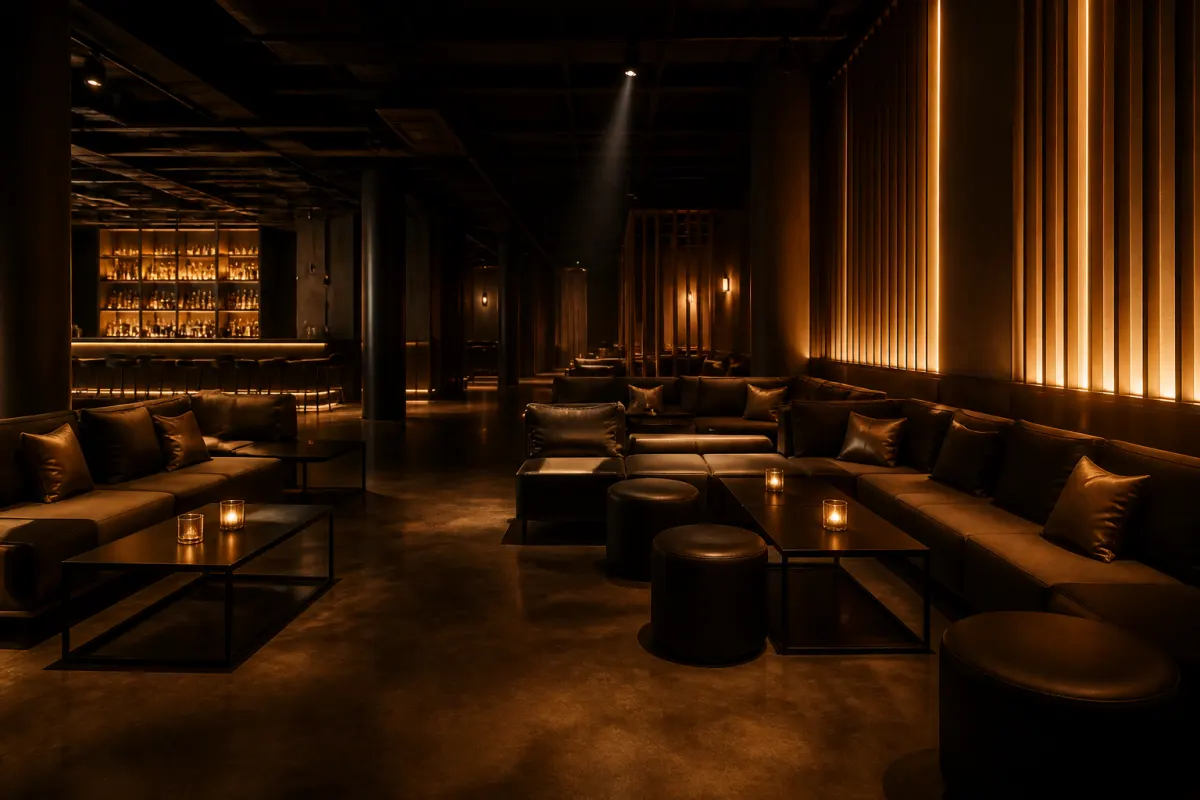
Lounge and VIP seating. Low banquettes, tufted sofas, and club chairs that anchor a section. This is where lounge club seating earns its keep visually, so finish quality matters, but it still needs commercial foam and sealed upholstery underneath the look.
Cocktail and bar tables. Bar-height and standard-height tables with weighted or wide bases to resist tipping in a crowd. Laminate, solid surface, or sealed wood tops.
Ottomans and modular units. Flexible pieces that let you reshape a floor plan night to night. Choose units with internal frames, not foam-only blocks, if you want them to last.
Materials and specs that drive durability
The difference between furniture that lasts two years and furniture that lasts seven is in the specification sheet.
Upholstery rating. For nightclub and bar use, look for a minimum of 50,000 Wyzenbeek double rubs, and 100,000 for the heaviest-traffic VIP zones. Residential fabric at 10,000 to 15,000 double rubs will show wear within months.
Foam density. Commercial foam rated around 35 to 40 ILD keeps its shape under constant use. Lower-density consumer foam compresses and goes flat fast, which is obvious to guests sitting in a collapsed banquette.
Frame construction. Welded steel or kiln-dried hardwood with corner blocking and reinforced joints. Ask whether frames carry a structural warranty.
Moisture protection. Sealed seams, marine-grade or club-rated vinyl, and water-resistant foam wrap matter in any room where drinks are served standing up.
Realistic cost ranges and what drives price
Pricing varies widely by construction and customization, but general ranges help with budgeting. Commercial bar stools commonly run from the low hundreds per unit for basic metal-frame models to several hundred for upholstered, reinforced designs. VIP banquette and lounge seating is usually priced by the linear foot or as custom sections and climbs quickly with tufting, custom upholstery, and integrated lighting. Cocktail tables typically fall in the mid-hundreds depending on base weight and top material.
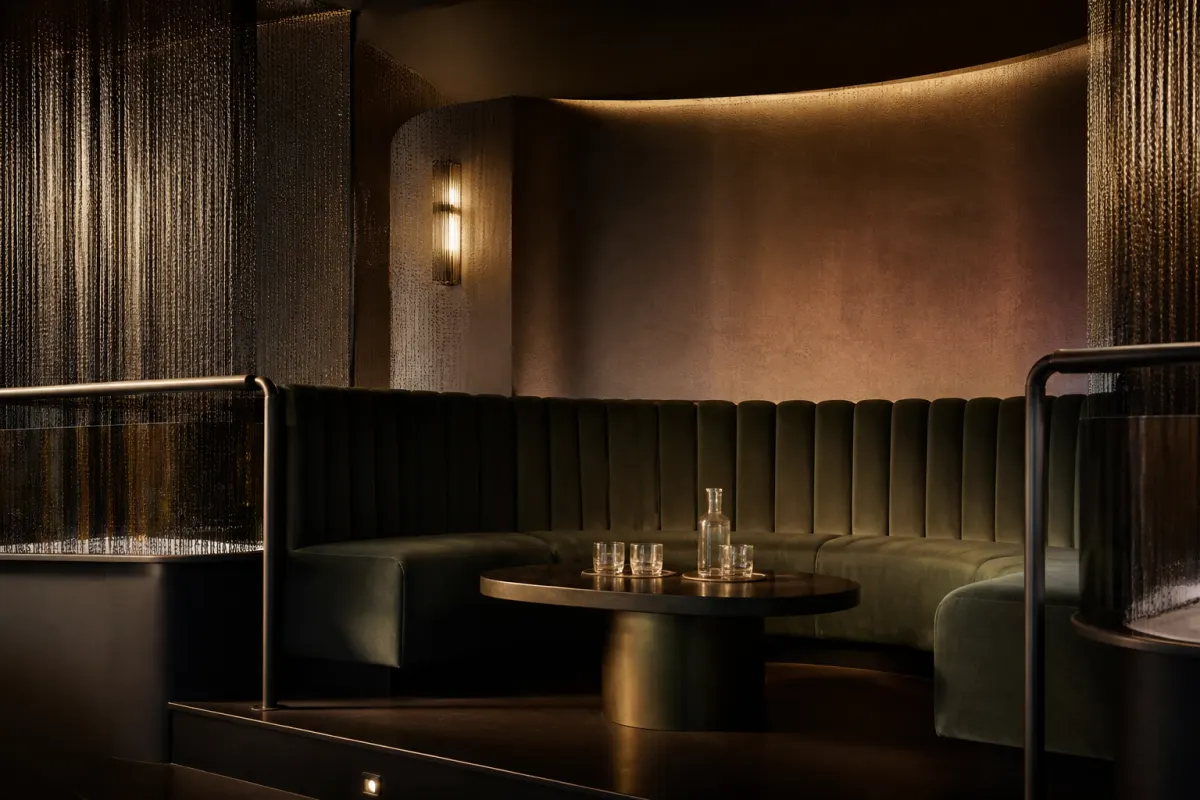
What pushes price up: custom upholstery and tufting, premium performance fabrics, weighted bases, integrated LED or charging features, and custom dimensions. What keeps it down: standard finishes, stock fabrics, and ordering at or above minimum quantities so setup costs spread across more units.
Commercial grade vs retail
A retail sofa is engineered for a living room used by a few people a day. Commercial nightclub furniture is engineered for hundreds of guests, frequent moves, and spill exposure. Retail pieces fail on three fronts in a club: frames loosen, foam collapses, and fabric abrades and stains. The upfront savings on retail furniture disappear the first time you replace a section mid-season and lose the use of a VIP area on a weekend.
Warranty, sizing, and ordering in volume
Commercial furniture should carry a multi-year structural frame warranty, with a separate, shorter term on upholstery and foam. Get warranty terms in writing before you order.
For sizing, plan around traffic flow first. Leave generous aisle clearance around standing-height bar furniture, and size VIP sections to the guest counts you actually sell, not the maximum the floor can hold.
Nightclub and bar furniture is manufactured to order, so it ships in minimum quantities. Typical minimums run around 10 to 20 stools per style and a small number of lounge units per configuration. Custom orders hold the same minimums as standard orders. Factory-direct production for larger or custom runs commonly takes 10 to 14 weeks, so place orders well ahead of an opening or seasonal refresh. Furniture ordered early can be stored. A club section without seating cannot generate revenue.
The bottom line
Spec the construction before you fall for the look. Confirm frame type, foam density, and Wyzenbeek rating, choose sealed wipe-clean surfaces, and plan for minimums and a 10-14 week lead time on custom work. Do that, and your bar furniture and lounge club seating will outlast several rounds of trends.
Ready to spec your room? Request a quote or browse the Commercial Furniture Depot catalog, and our team will confirm specs, minimums, and lead times for your project.