Virginia Beach's hospitality market runs on a calendar that most inland cities never have to think about. The Oceanfront resort strip along Atlantic Avenue lives and dies by its summer season, when the boardwalk fills with vacationers and every room needs to be presentable from Memorial Day weekend on. Town Center's business hotels serve a steadier corporate and government crowd tied to the broader Hampton Roads defense and shipbuilding economy. The Virginia Beach Convention Center pulls in trade shows and regional conferences that fill rooms well outside peak beach months. Sandbridge and the quieter south end draw guests who expect a more residential, design-forward feel. When you renovate a property here, you're working inside a market with a hard seasonal deadline and a guest base with strong, specific expectations. Getting hotel renovation furniture Virginia Beach procurement right is not a back-office task, it's a revenue decision tied directly to your opening date.
Virginia Beach's Renovation Window Is Short
The Oceanfront's entire business model runs on a roughly 14 to 16 week peak season, and most resort operators only get a realistic renovation window between Labor Day and early spring. Miss that window and you're either renovating around full occupancy during the summer crush or pushing your reopening past Memorial Day, when a huge share of your annual revenue gets decided in a single stretch. Properties along Atlantic Avenue and the boardwalk feel this pressure more acutely than almost any other market segment, because a late FF&E delivery in April doesn't just delay an opening, it can cost an operator their entire summer rate structure.
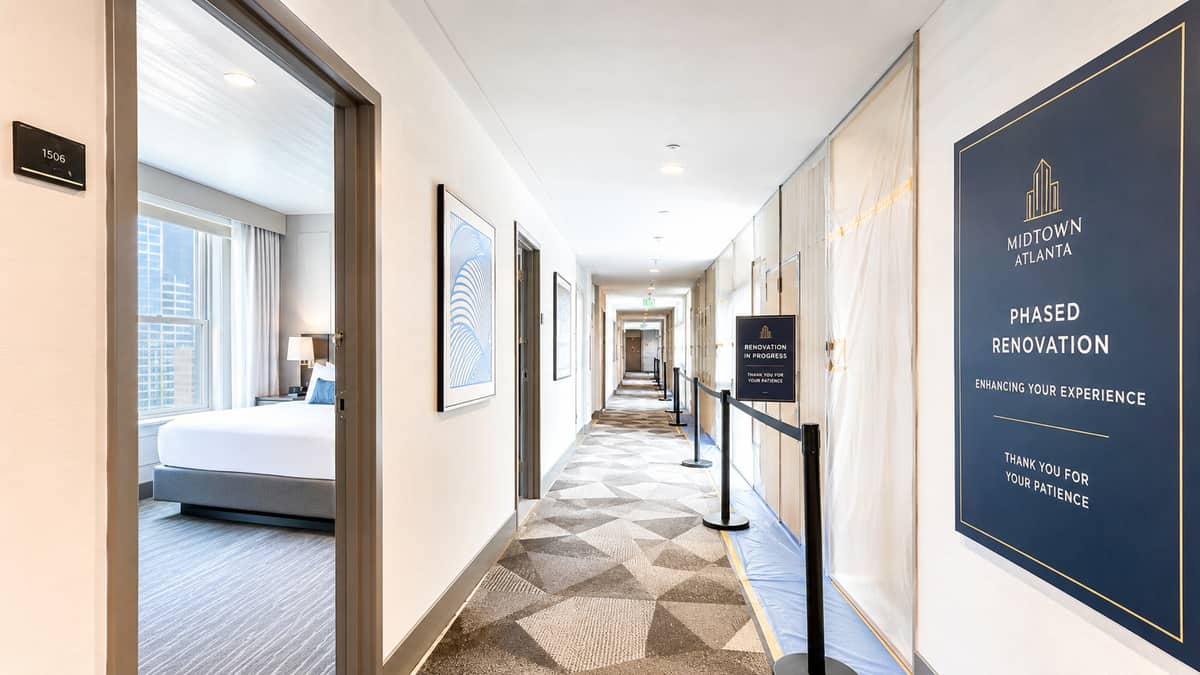
Most Virginia Beach renovations run in phases, one wing or floor at a time, so the property can stay partially bookable through the shoulder season. That phased approach protects some revenue, but it puts real pressure on your FF&E supplier to hit staggered delivery dates rather than a single bulk shipment. Town Center properties serving convention and government business have a bit more flexibility since demand is spread more evenly across the year, but Oceanfront resorts do not have that luxury. If your supplier treats each phase as a separate transaction instead of one coordinated project tied to a hard seasonal deadline, the gap will show up exactly when you can least afford it.
Before signing with any supplier, get written delivery windows tied to specific dates, not general timeframes, and a dedicated logistics contact who understands what a missed Memorial Day deadline actually costs an Oceanfront property.
FF&E Lead Times: Work Backward From Opening Day
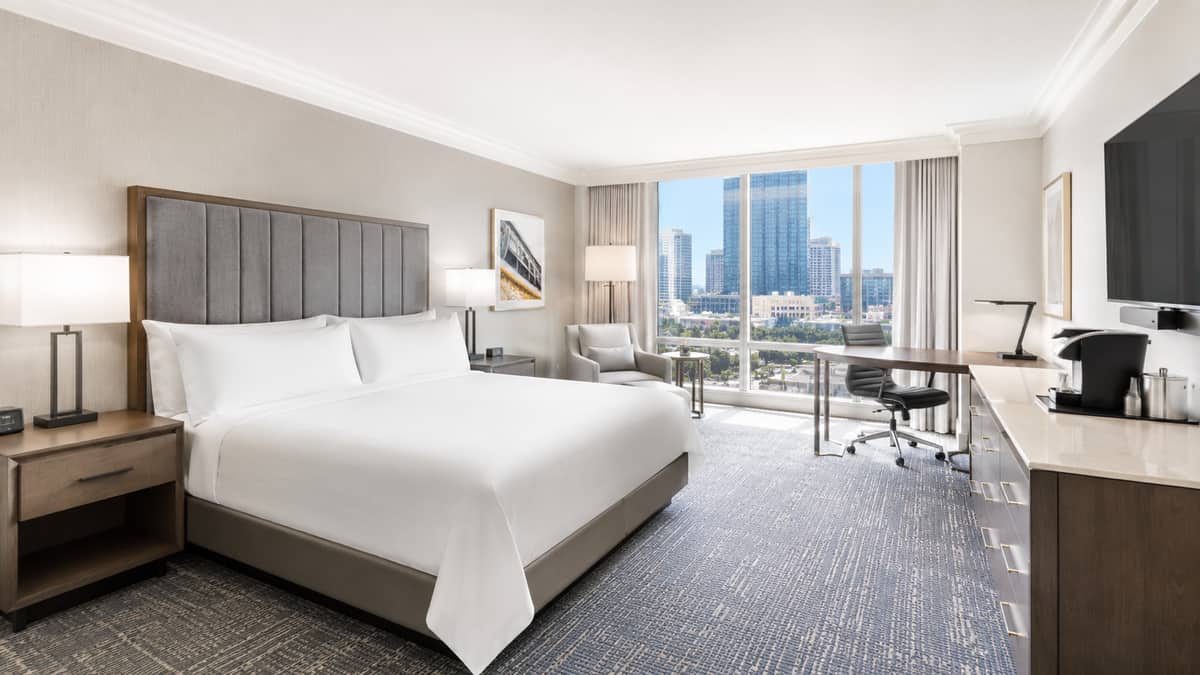
Custom and semi-custom contract furniture typically runs 12 to 18 weeks from order confirmation to delivery on your loading dock. That covers case goods, upholstered headboards and lounge seating, bed frames, and anything requiring COM fabric or brand-specified finishes. Oceanfront resorts pursuing coastal-specific finishes, moisture-resistant upholstery, or custom millwork to match a beach-facing design concept should add two to four weeks on top of that baseline.
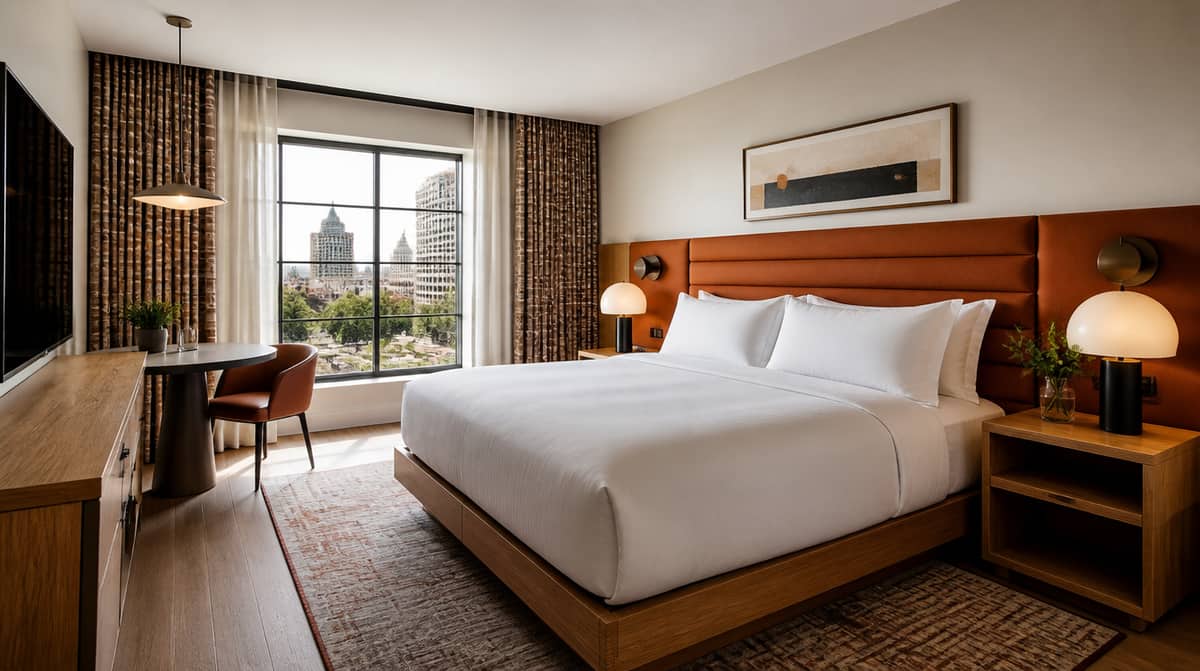
If you're targeting rooms ready for the unofficial start of summer, work backward from that date with real discipline. Furniture orders for a Memorial Day reopening generally need to be placed by late January to early February at the latest, accounting for lead time, transit, and installation staging. Operators who wait until permits clear or demolition starts to think seriously about FF&E procurement end up choosing between two bad outcomes: order off the shelf and accept pieces that clash with the design concept, or miss the season entirely and absorb a full summer of lost rate.
Outdoor and pool-deck furniture deserves its own timeline. Salt air, humidity, and direct sun exposure on an Oceanfront property put real demands on outdoor contract pieces, and that category often runs on a separate production queue from interior guestroom FF&E. Plan for it independently rather than assuming it will arrive alongside your case goods and headboards.
Brand Standards and the Virginia Beach Design Context
Virginia Beach's hospitality inventory spans a genuinely wide range. Flagged resort properties along the Oceanfront and near the Convention Center operate under brand standard manuals that dictate case good construction, fabric fire ratings, and minimum mattress specifications down to the inch. Independent boutique properties in areas like the ViBe Creative District and along the quieter south Oceanfront have far more design latitude, but that freedom comes with real accountability. Guests choosing an independent coastal property are often specifically choosing on atmosphere and design, and generic hospitality furniture will not satisfy that expectation.
For flagged resorts, compliance is not optional. A piece that looks right but fails a fire rating review or misses the flag's seating height minimums gets rejected, and your already-tight seasonal timeline absorbs the delay. Work with an FF&E supplier that keeps brand standard documentation on file for the major flag groups operating along the Oceanfront and can cross-check your selections before specs are finalized. That review, done early, prevents the costly back-and-forth that eats into a short renovation window.
For independent properties, your design intent functions as your brand standard. Define it clearly before procurement starts. A supplier who asks real questions about your guest profile, your proximity to the boardwalk or Rudee Inlet, and your competitive set will serve you far better than one that simply hands over a catalog.
Delivery and Installation in an Operating Property
Moving furniture into a functioning Virginia Beach hotel without disrupting guests requires genuine logistical know-how. Oceanfront properties along Atlantic Avenue contend with narrow side streets, limited loading access, and heavy pedestrian and cyclist traffic on the boardwalk during any part of the warmer months. Town Center high-rises have their own freight elevator scheduling and building management restrictions. Properties near the Convention Center have to work around show move-in and move-out windows that can make dock access unpredictable for days at a stretch.
A supplier with real experience delivering to occupied hotels in Virginia Beach already understands these constraints. They arrive with the right crew and equipment, and they build their schedule around your property's operational calendar rather than their own convenience. They coordinate with your front desk, engineering staff, and general contractor so new furniture arrives staged and ready for completed rooms instead of sitting in a hallway blocking a guest elevator during peak check-in hours.
Ask every supplier you're evaluating a direct question: have they delivered to occupied hotel properties in Virginia Beach specifically, and what is their white-glove installation protocol for an active building during season? A vague answer is a clear warning sign. You need a partner with operational experience in this exact market, not just a product catalog and a freight quote.
The difference between a Virginia Beach renovation that reopens on time for the season and one that bleeds into peak summer almost always comes down to procurement decisions made in the first month of planning. Treat FF&E as a core operational workstream from day one, and your renovation has a real shot at opening on schedule, ready for the guests already booking their summer.