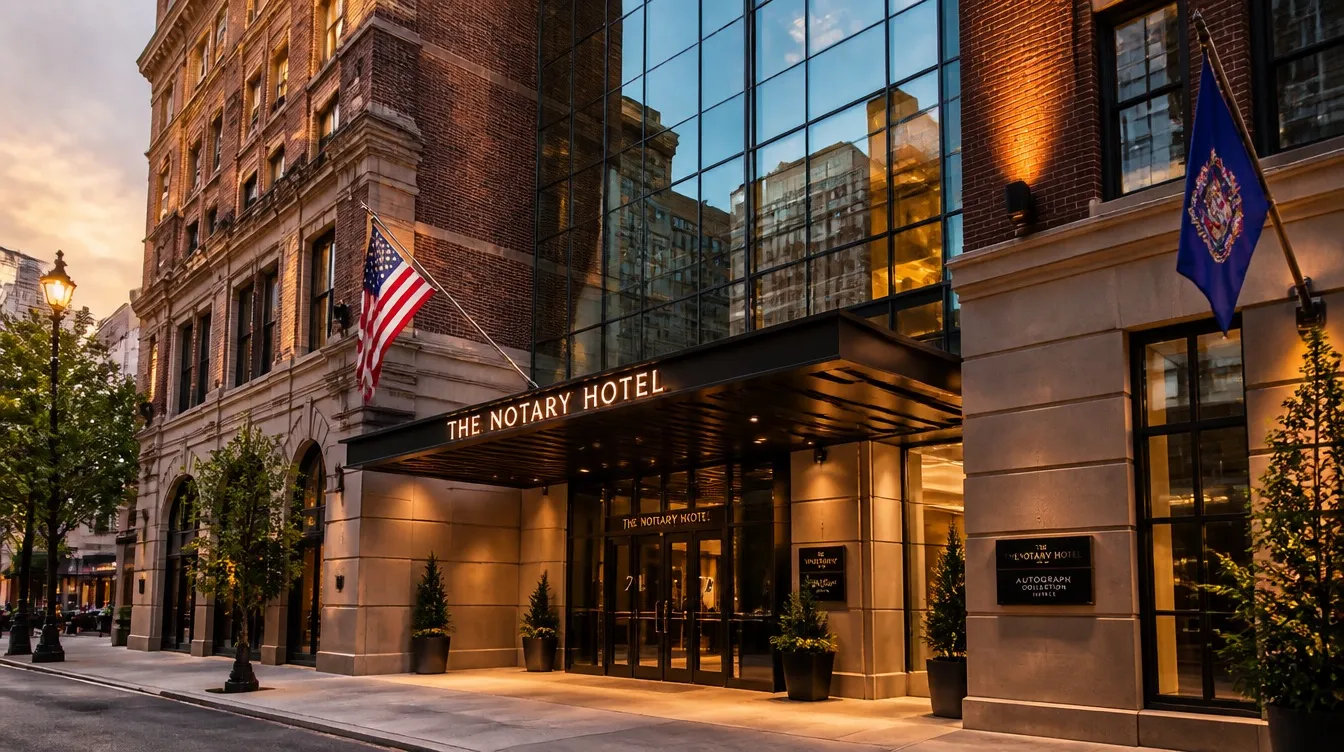
A Philadelphia hotel renovation is almost never a clean, empty-building project. The Pennsylvania Convention Center runs year-round programming that keeps Center City hotels at occupancy during stretches when a renovation would otherwise make sense. A boutique in Old City converting a second floor while keeping the first floor operational has freight access through a shared historic alley and no service elevator. A Rittenhouse Square property refreshing guestrooms while staying open has to sequence floor by floor, matching the delivery schedule to the room rotation without creating a storage problem in the rooms that are not yet in renovation. Getting hotel renovation furniture Philadelphia projects right means understanding those constraints before the purchase order goes out, not after the furniture arrives.
Philadelphia's Historic Building Renovation Problem
Philadelphia has more pre-20th-century commercial and residential buildings in active hotel use than almost any other American city. Old City's Colonial and Federal-era structures. Center City's Victorian commercial buildings. Rittenhouse Square's brownstone rowhouses converted floor by floor into boutique hotels. Each of these property types creates FF&E challenges that a new-build hotel simply does not have.
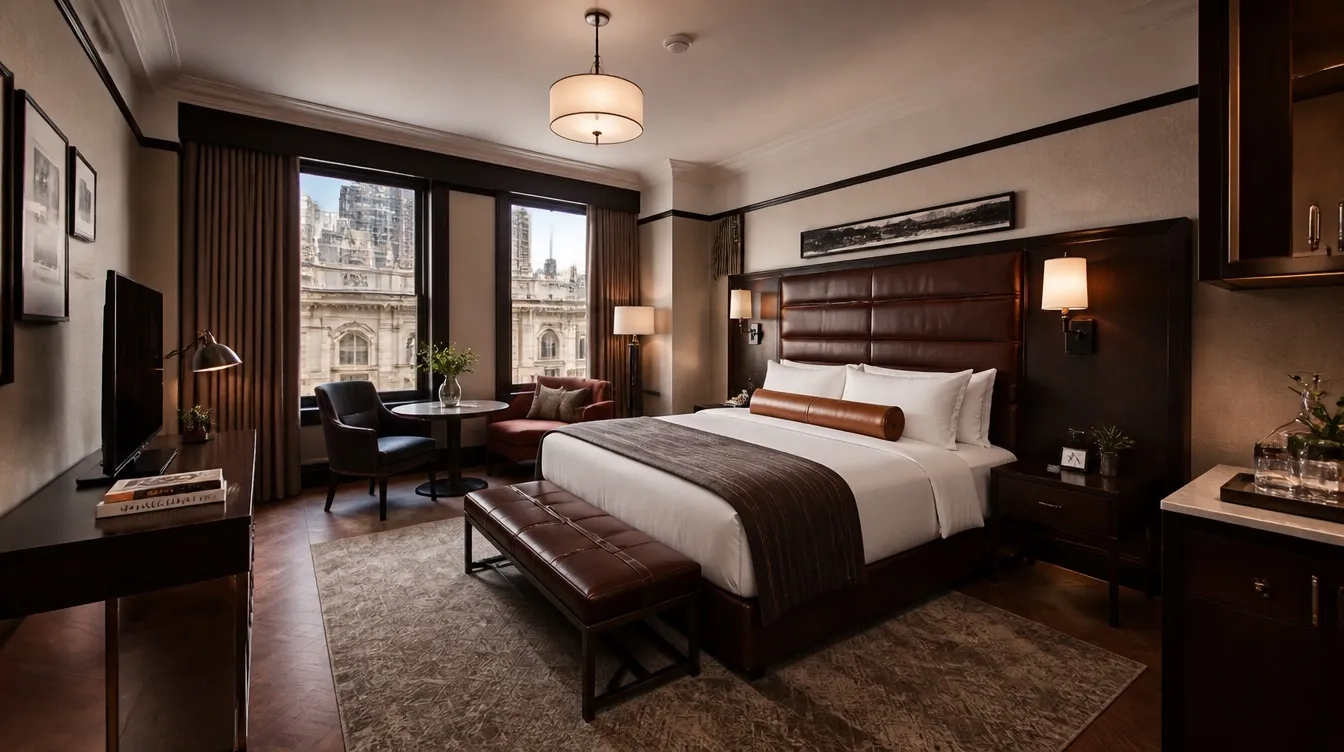
The first challenge is dimensional. A guestroom in an 18th-century Old City building was not designed to the same proportions as a contemporary hotel room. Corridors are narrower. Doorways are shorter. Stairwells that were built before the freight elevator existed have turning radii that standard hospitality furniture does not accommodate. A casegoods piece specified at a standard king-room dimension may not physically fit through the actual doorway in its assembled state. Hotel headboards, nightstands, and dressers all need to be measured against the actual opening dimensions of the target room, not assumed dimensions from a typical hotel floor plan.
The second challenge is finish compatibility. Original wide-plank floors, exposed brick, plaster walls, and historic millwork establish a design baseline that the renovation furniture has to address directly. A casegoods finish that looks neutral in a generic new-build room can look jarringly out of place against a 19th-century Philadelphia building's original materials. The darker, warmer finishes mahogany, deep espresso, aged walnut that align with Philadelphia's historic contemporary design identity are not just aesthetic preferences. They are functional choices that make renovated rooms feel coherent rather than assembled.
Phased Delivery: The Default Condition for Philadelphia Renovations
Very few Philadelphia hotel renovations can vacant the entire property simultaneously. A 120-key Center City hotel operating in a market shaped by the Pennsylvania Convention Center's year-round conference calendar cannot afford to take every room offline at once. The renovation has to happen in rotation floors or wings taken out of service sequentially while the rest of the property stays operational.
That reality changes the furniture procurement relationship fundamentally. It is not enough to place a purchase order and receive a single shipment. The supplier has to deliver furniture in sequenced batches timed to the renovation rotation, store finished inventory between deliveries, and coordinate with the general contractor's schedule in real time. A supplier who can manufacture furniture but cannot manage phased delivery logistics is not the right partner for a Philadelphia renovation.
For a phased renovation project, the total lead time from first purchase order to final guestroom completion will be longer than the manufacturer's production time suggests. Add buffer for sequencing coordination, storage time between deliveries, and the inevitable schedule adjustments that arise when a renovation hits an unexpected complication in a historic building. A realistic planning horizon for a full-property phased renovation in a 100-key Philadelphia hotel is 12 to 18 months from initial design approval to final punch list.
The Convention Calendar and Eagles Risk in Renovation Planning
Philadelphia's renovation windows are constrained in ways that hospitality project managers from other markets do not always anticipate. The Pennsylvania Convention Center's pharmaceutical and healthcare conference program runs dense blocks in spring and fall that put Center City hotels into high occupancy precisely when construction and renovation activity would otherwise make the most sense. A property targeting a fall renovation window should pull the Pennsylvania Convention Center's event calendar for that year before locking in the project schedule.
The Eagles factor is real and unpredictable. When the Eagles make a playoff run and since 2022 the team has been in consistent postseason contention Philadelphia hotel demand spikes across the city in a pattern that makes any ongoing renovation a guest experience liability. A lobby refresh that was planned during a quiet January can turn into a construction zone during a home playoff game if the schedule has not been managed carefully. Build contingency weeks into any winter renovation plan that involves lobby or public area work.
Specification Standards for Renovation Furniture
A renovation project that replaces existing furniture with pieces that will fail faster than the originals has not solved the problem it has deferred it and added cost. The specification standard for hotel renovation furniture Philadelphia projects should be the same as for a new-build: ANSI/BIFMA commercial grade for all seating, solid-frame construction for case goods, upholstery fabric rated at 50,000 double rubs minimum for any piece in a high-contact position.
For renovation projects in occupied historic properties where delivery and installation conditions are more demanding than a new build, this matters even more. Furniture that gets hand-carried up three flights of stairs in a Federal-era Old City building needs frames that will not flex or joint-loosen from the handling stress. Specify accordingly, and verify with your supplier that their pieces are built for commercial installation conditions, not just commercial use conditions.
Ready to spec hotel renovation furniture for your Philadelphia project? Send us the details and we will price it around your requirements. Request a quote to start.