Greensboro runs on a different rhythm than the coastal convention markets, but it is no less demanding on a hotel renovation schedule. As the anchor city of the Piedmont Triad, Greensboro draws a mix of corporate travelers tied to the region's logistics and manufacturing base, sports and concert crowds filling rooms for Greensboro Coliseum Complex events, and a twice-yearly surge of international buyers arriving for High Point Market. Downtown Greensboro has pushed a wave of adaptive reuse and boutique properties into older brick buildings near Elm Street, while the interstate corridors near Piedmont Triad International Airport carry the bulk of the branded, high-volume rooms. When you renovate in this market, you're working against event calendars, a hard Market-week deadline twice a year, and an operator base that increasingly expects a supplier who understands the region's own furniture manufacturing advantage. Getting hotel renovation furniture Greensboro procurement right is not a back-office task, it's a revenue decision.
Greensboro's Renovation Calendar Runs on Events and Market Weeks
The events calendar around the Greensboro Coliseum Complex sets real deadlines for properties across the city. Tournament weekends, concerts, and regional trade shows fill nearby hotel rooms, and a renovation that isn't finished before one of those weekends means empty inventory during your highest-demand nights. High Point Market adds a second, even harder deadline twice a year: spring and fall Market weeks book out the entire Triad's hotel inventory, and a property mid-renovation when that window arrives loses the single most reliable high-rate stretch on its calendar.
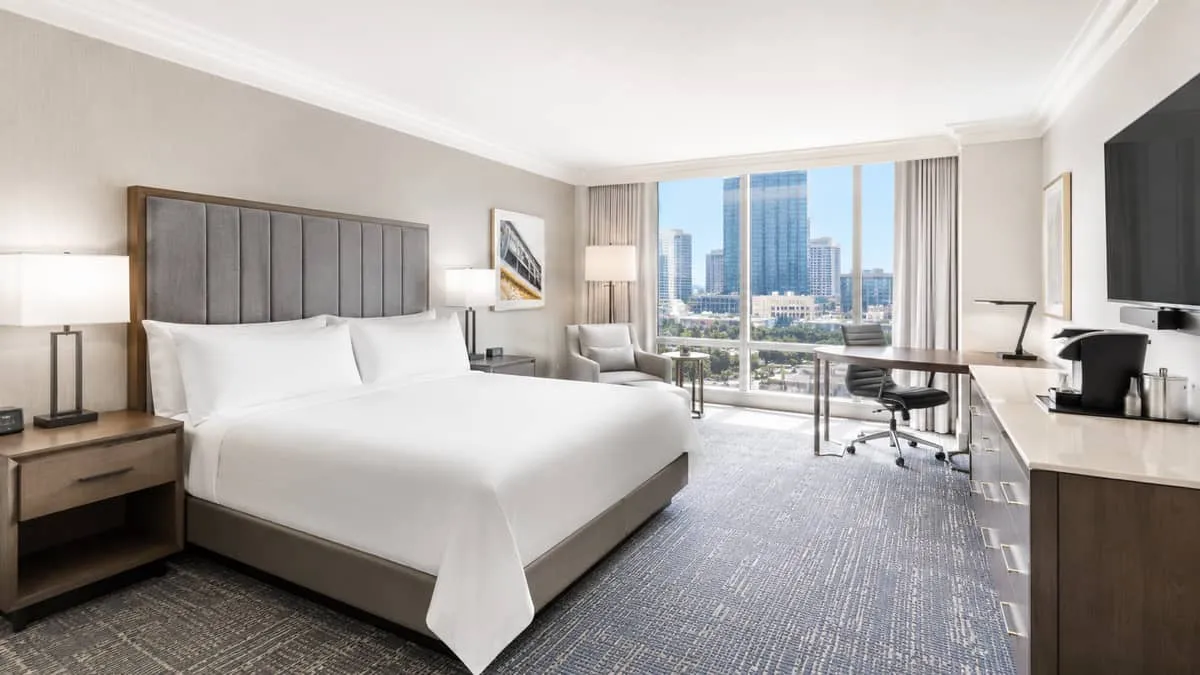
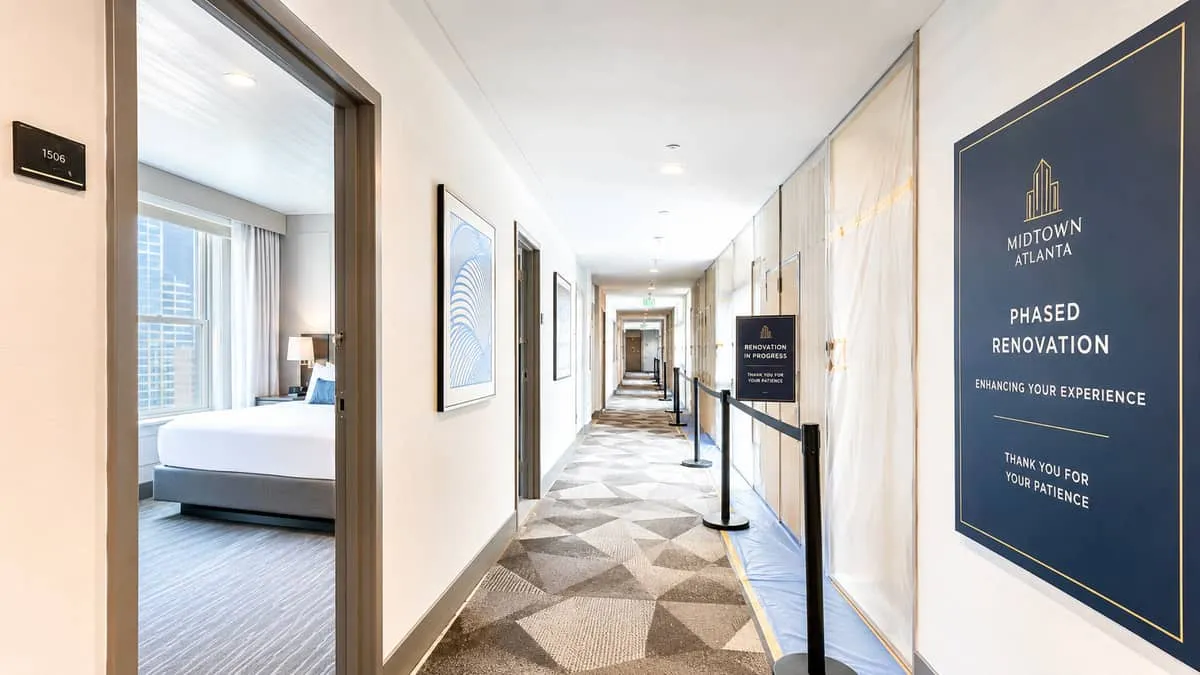
Most Greensboro renovations run in phases, one wing or floor at a time, so the property stays bookable through the busy months. That phased approach protects revenue, but it puts real pressure on your FF&E supplier's logistics. Greensboro's location at the intersection of I-40 and I-85, and its proximity to the High Point manufacturing corridor, is a genuine advantage here, but you're still coordinating staggered deliveries tied directly to construction milestones and housekeeping handoffs.
Before you sign with any supplier, get written delivery windows and a dedicated logistics contact. Build phased delivery milestones directly into the procurement agreement, not as a verbal understanding but as a documented schedule with clear accountability on both sides.
FF&E Lead Times: Work Backward From Your Opening Date
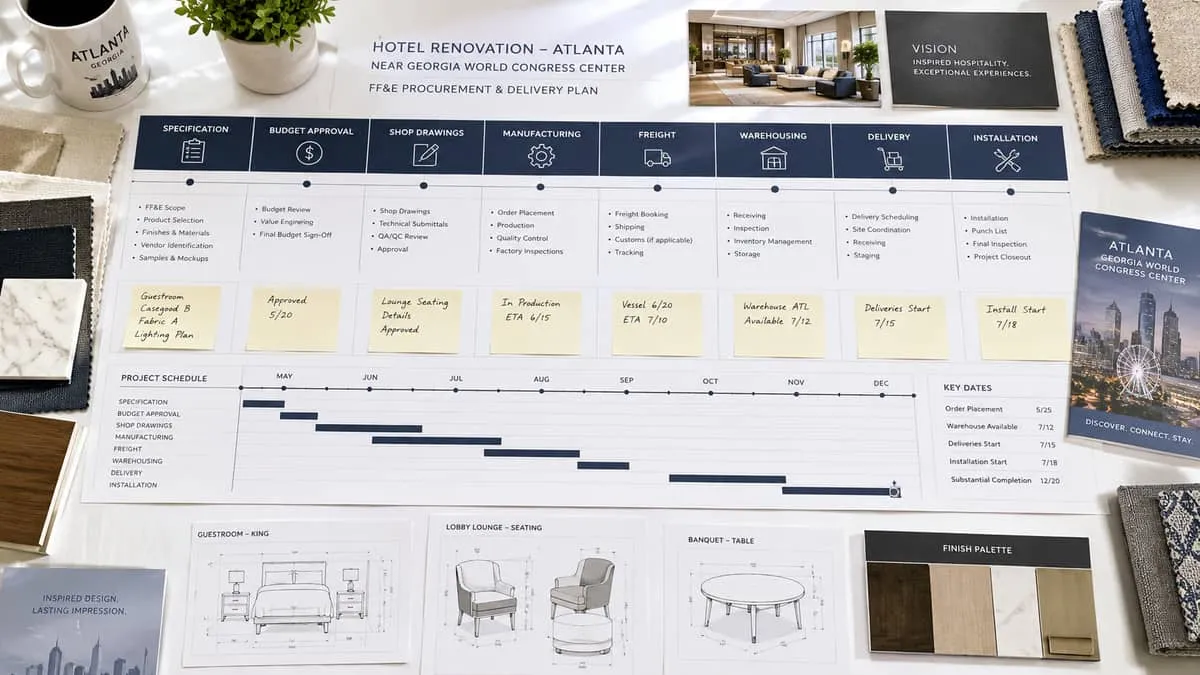
Custom and semi-custom contract furniture typically runs 10 to 18 weeks from order confirmation to delivery on your loading dock. That covers case goods, upholstered headboards and seating, bed frames, and anything requiring COM fabric or brand-specified finishes. If your renovation involves custom millwork or design elements matching a downtown Greensboro adaptive reuse property's historic character, add two to four weeks on top of that baseline for finish approvals.
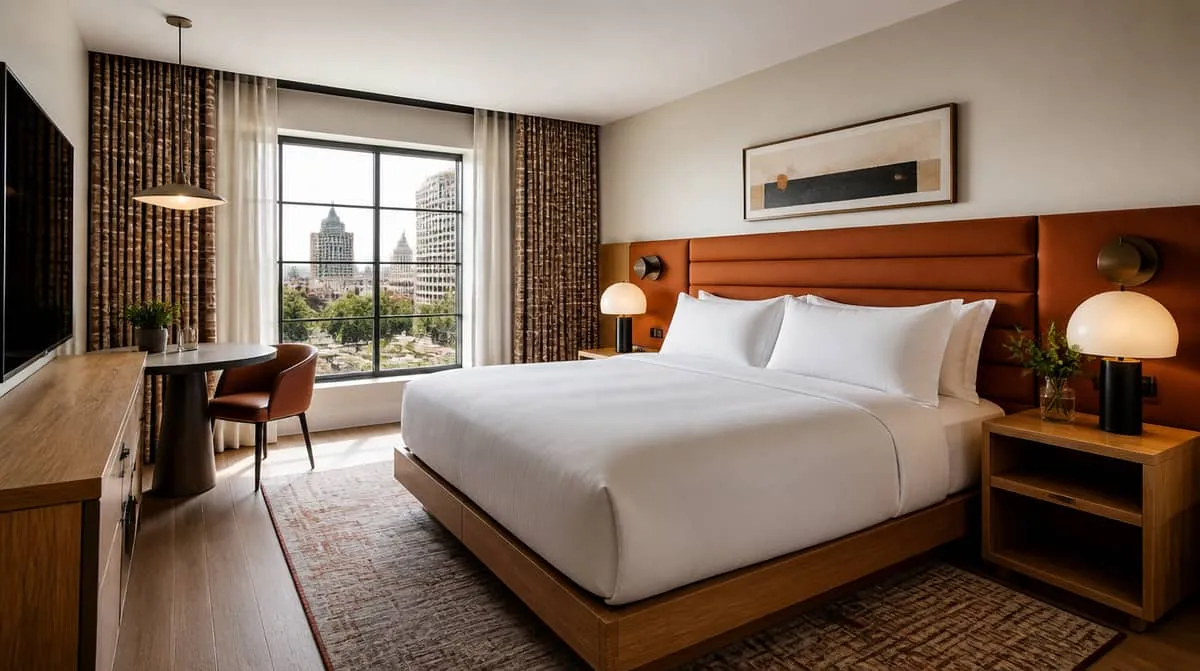
For a Greensboro property targeting a reopening ahead of a spring or fall High Point Market week, those numbers matter precisely. Want rooms ready by the start of Market? Furniture orders need to be placed well ahead of that fixed calendar date, and unlike a seasonal tourism window, Market week does not move. Operators who wait until permits clear or construction breaks ground before thinking about FF&E procurement consistently end up choosing between two bad options: buy off the shelf and accept pieces that don't match the property's design intent, or miss the opening window and lose the highest-rate stretch of the calendar year.
Outdoor and patio furniture carries its own timeline in Greensboro. Piedmont summers bring real humidity and storm exposure, which means anything specified for a rooftop or patio space needs a finish and construction rated for that environment, and needs to be ordered on a schedule that gets it installed and usable before the warm season arrives.
Brand Standards and the Greensboro Design Context
Greensboro's hospitality market spans a wide range of property types. Branded select-service and extended-stay hotels along the interstate corridors and near Piedmont Triad International Airport operate under brand standard documents that govern case good construction specs, fabric fire ratings, and mattress minimum dimensions, and those standards do not bend for a smaller market. Independent and boutique properties downtown, in restored buildings near Elm Street, have real design freedom, and travelers who choose those properties over a chain option along the interstate are specifically choosing on character and design.
For flagged properties, compliance is non-negotiable regardless of market size. A piece that looks right but fails a fire rating review or misses the flag's seating height minimums gets rejected, and your renovation timeline absorbs the delay. Work with an FF&E supplier that keeps brand standard files on record for major flag groups and can cross-reference your selections before specs are finalized.
For independent downtown properties, design intent is your brand standard. Be specific about what that means before procurement begins, especially given the design-literate guests who will be walking through during Market week. A supplier that asks real questions about your guest profile, your building's architectural history, and your competitive set in the Greensboro market is far more useful than one that sends a catalog and waits for line-item requests.
Delivery and Installation in an Operating Property
Getting furniture from a supplier into a functioning Greensboro hotel without disrupting operations requires real logistical competence. Downtown properties near Elm Street often deal with limited street access, tight loading areas, and historic building constraints on freight elevator size. Interstate and airport-corridor properties have more standard dock access but still deal with delivery windows that need to work around corporate travel patterns and, twice a year, Market-week check-in volume.
A supplier with real experience delivering to occupied hotels in Greensboro already understands these constraints, along with the realities of coordinating around a fixed, non-negotiable Market calendar. They show up with the right crew, the right equipment, and a schedule built around your property's operational calendar rather than their own convenience. They coordinate with your front desk, your engineering team, and your construction GC so new furniture arrives staged and ready to install in completed rooms rather than sitting in a hallway blocking guest access.
Ask every supplier you evaluate a direct question: have they delivered to occupied hotel properties in Greensboro or comparable Piedmont Triad markets specifically? What is their protocol for white-glove installation in active buildings, and how do they plan around fixed Market and event dates? If the answer is vague or generic, that is a clear signal. Request a quote with your renovation timeline attached so lead time risk gets flagged early, not discovered mid-project.
The difference between a Greensboro hotel renovation that opens on time and on budget and one that drags past every deadline usually comes down to the procurement decisions made in the first four weeks of planning. Treat FF&E as a core operational workstream from day one, and your renovation has a real chance of running the way it was designed.