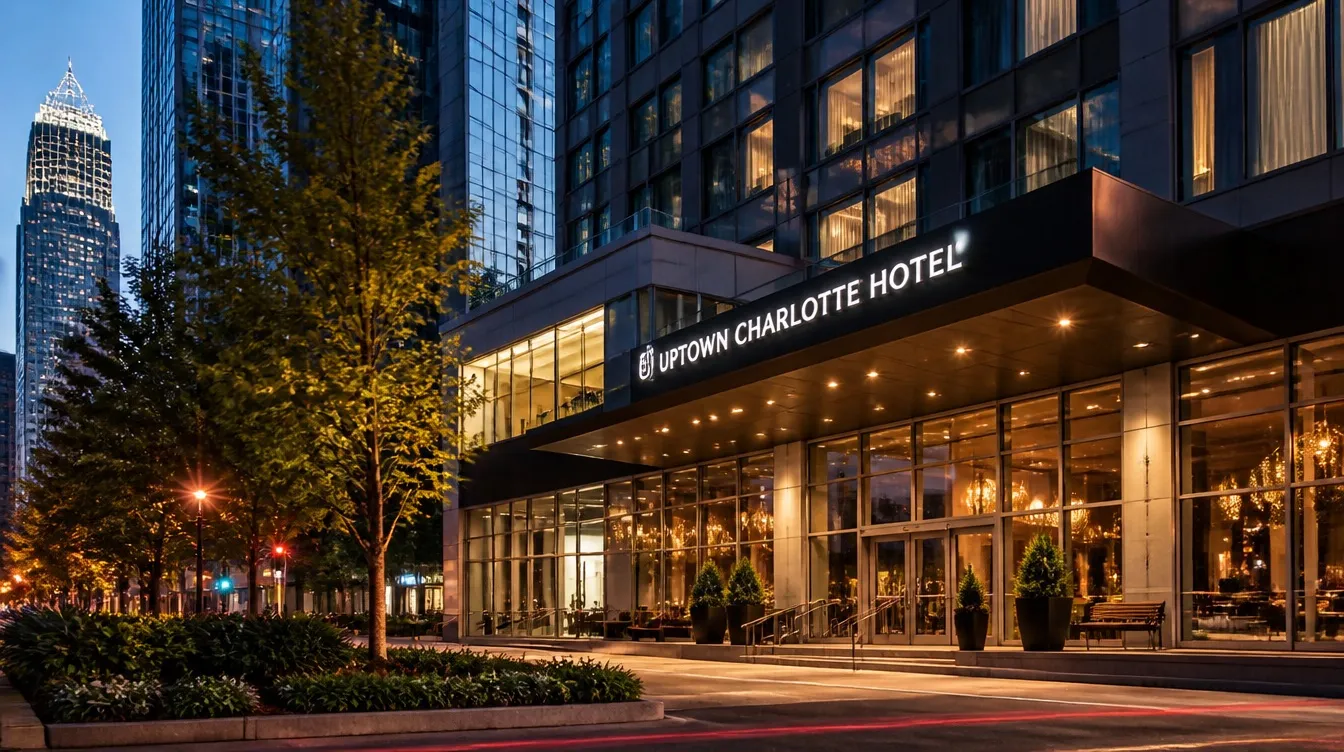
Charlotte's hotel market is growing fast enough that a property that opened five years ago may already be competing against newer inventory in the same neighborhood that is cleaner, more designed, and carrying a rate premium the older property can't match without updating its product. This is the renovation pressure that is running through Charlotte's hotel market right now not primarily distressed properties that have deteriorated, but competitive properties that are fully functional but visually outpaced by the pace of new development around them.
The Uptown banking district has seen significant new hotel openings over the past several years. South End boutique hotel inventory continues to grow. Properties that were the design standard when they opened are now the reference point for what needs to be refreshed. For hotel owners and asset managers in Charlotte, renovation timing and execution quality are active competitive decisions, not deferred maintenance.
What Drives Charlotte Hotel Renovation Timelines
The renovation decision in Charlotte's market is typically triggered by one of three competitive dynamics:
New inventory entry. When a new hotel opens in an Uptown or South End location with a design execution that is clearly ahead of the existing competitive set, surrounding properties begin losing rate to the new entry. The response window to a competitive entry is typically 12 to 18 months before the rate differential becomes structural long enough to plan and execute a renovation, but not long enough for a lengthy procurement process.
Brand standard compliance cycles. Charlotte's branded hotel properties flags operating in the Uptown and Ballantyne submarkets run on brand-mandated renovation cycles that typically require full guestroom renovations every seven to ten years. These cycles are non-negotiable from a flag perspective and require procurement of a full guestroom furniture package: casegoods, seating, lighting, soft goods, and headboard systems.
Asset repositioning. Some Charlotte hotel renovations are driven by an ownership decision to move the property up-tier converting a limited-service property to a select-service or upper-midscale positioning, or rebranding from one flag to another that carries a higher rate potential. These repositioning renovations require a more complete design transformation than a standard refresh, with furniture specifications that match the target tier's expectations rather than the existing property's standard.
Guestroom Renovation: The Core Furniture Package
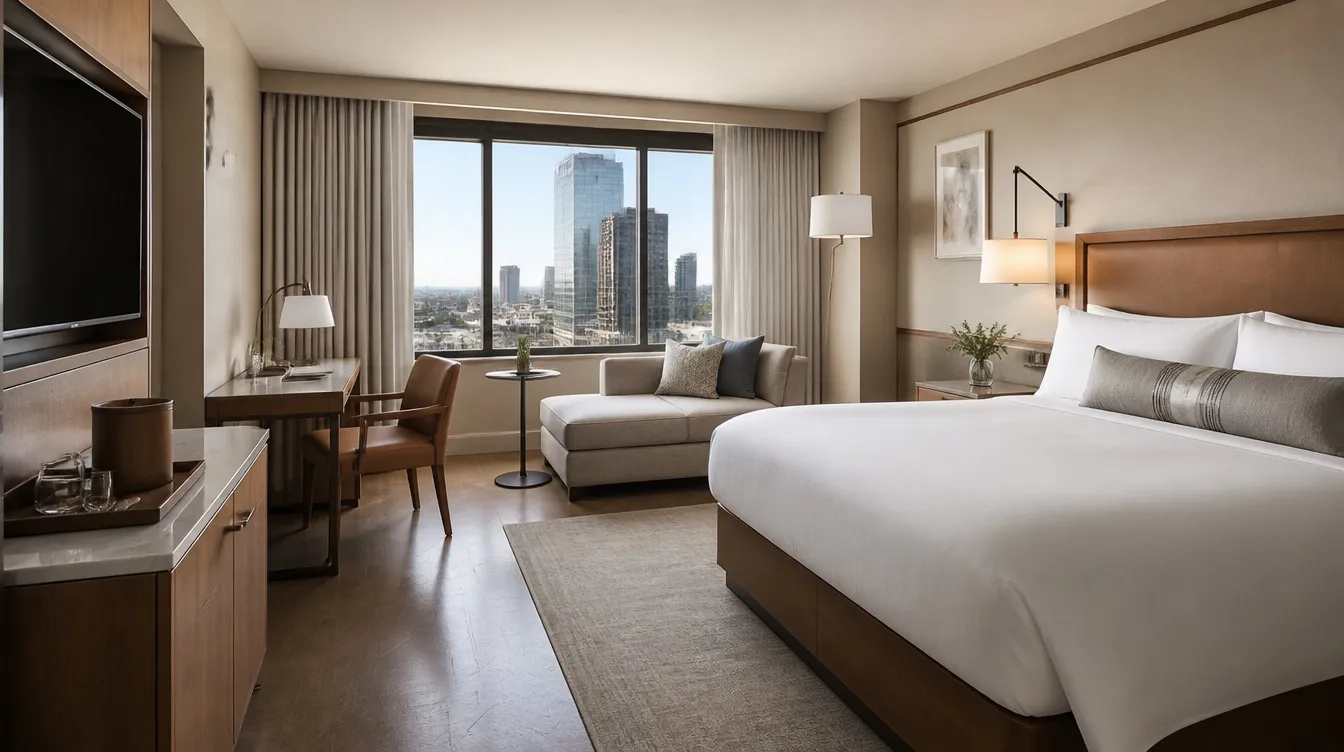
A guestroom furniture renovation in Charlotte typically addresses the full casegood program: dresser/credenza, nightstands, desk, luggage bench or ottoman, desk chair, and potentially a soft seating piece if the room size and category warrant it. The headboard system is often the visual centerpiece of the renovation and carries disproportionate weight in how the refreshed room photographs and how guests perceive the change.
Hotel casegoods for Charlotte's renovation market are currently specified predominantly in warm wood tones American oak and walnut veneer with clean, contemporary profiles and hardware in brushed brass or matte black. This represents a shift from the darker, heavier casegood programs that were standard in many Charlotte properties ten years ago, and renovation projects replacing those earlier programs are seeing significant visual transformation from the material change alone.
The desk and task chair renovation is an opportunity to address one of the most common guest complaints in older Charlotte hotel rooms: work environments that don't support actual work. A desk at the correct height, adequately lit, with a chair that adjusts appropriately and rolls well on the carpet specification, represents a meaningful upgrade for the financial sector traveler who is the core demand driver for most Charlotte hotels.
Renovation procurement should account for the full room count from the beginning. A Charlotte hotel replacing guestroom casegoods on a single order for its full inventory gets price and finish consistency that a property sourcing in phases over multiple orders often doesn't achieve. The color and finish variation between casegood batches ordered from different production runs even when specified to the same product is a common issue in phased renovations that creates visual inconsistency in finished rooms.
Lobby and Public Space Renovation
Lobby renovation is often the highest-visibility element of a Charlotte hotel refresh and the piece that most directly addresses competitive positioning. A lobby that feels dated against the city's new hotel openings is communicating something about the property's trajectory to every arriving guest.
The current renovation direction for Charlotte hotel lobbies is away from the heavy furniture and dark finishes that were dominant a decade ago, toward lighter, cleaner New South contemporary executions: warm walnut or oak with lighter upholstery, mixed metal accents, more open floor plans that allow better visibility and circulation flow. Properties executing lobby renovations in this direction are consistently earning rate improvements that validate the renovation investment.
Lobby seating replacement typically needs to happen as a complete program rather than piece by piece replacing individual chairs or sofas while leaving others creates exactly the visual inconsistency that the renovation is supposed to resolve. The specification should be for a full lobby furniture package that reads as a coherent designed environment, not an accumulation of purchases.
F&B renovation lobby bar refresh, restaurant furniture update, outlet reconfiguration often runs alongside the lobby renovation on Charlotte projects, since the F&B environment is part of the total competitive impression the property is trying to update. Bar stools, restaurant chairs, banquette seating, and outdoor patio furniture may all be in scope for a property doing a comprehensive renovation of its public spaces.
Phased Renovation: Keeping Rooms in Service
Most Charlotte hotel renovations happen in phases rather than all at once the property can't afford to take its full room inventory out of service simultaneously, and the renovation timeline extends over weeks or months while individual floors or wings are completed. Phased renovation creates specific requirements for the furniture procurement process.
The furniture supplier needs to be able to stage delivery by floor or room type, coordinating with the general contractor's renovation sequence. Rooms can't receive furniture before the renovation work is complete, but furniture can't arrive on-site before there is somewhere to stage it without occupying finished rooms or disrupting operations. The supplier's ability to hold product in a warehouse against a delivery schedule, release inventory floor by floor as construction completes, and coordinate delivery timing with the renovation GC is a real project management capability not something to assume exists without verifying it.
Lead time management in phased renovations is particularly critical. If a 250-room guestroom renovation is proceeding floor by floor with 25 rooms per floor, the furniture delivery schedule needs to be coordinated against the renovation schedule over a 10-week period. A supplier who can manage that schedule with daily communication and flexible release windows is a project asset. A supplier who manufactured all 250 rooms of furniture and needs to deliver it all at once is creating a problem.
Renovation Budget and Procurement Strategy
Hotel renovation furniture procurement in Charlotte requires a clear budget framework that accounts for the full cost of the program, not just the per-unit furniture cost. Installation labor, freight, removal and disposal of existing furniture, and any procurement management costs should be in the budget before the specification is written not discovered after the specification is bid and the project is in motion.
The specification itself should be written to the design standard the market requires, not to the lowest cost per unit that meets minimum contract specifications. Charlotte's competitive hotel market will penalize a renovation that falls short of the design standard the new competitive set has established, and a renovation that needs to be redone in three years because the specification was too conservative is more expensive than one that holds up for seven.
Commercial Furniture Depot works with Charlotte hotel renovation projects from initial specification development through phased delivery coordination and installation. We understand the competitive pressures driving the Charlotte renovation market and can support projects across the full scope of guestroom, lobby, F&B, and event furniture programs.
Tell us about your Charlotte hotel renovation furniture needs and we will turn your quantities, finishes, and timeline into a firm quote. Request a quote whenever you are ready to compare.