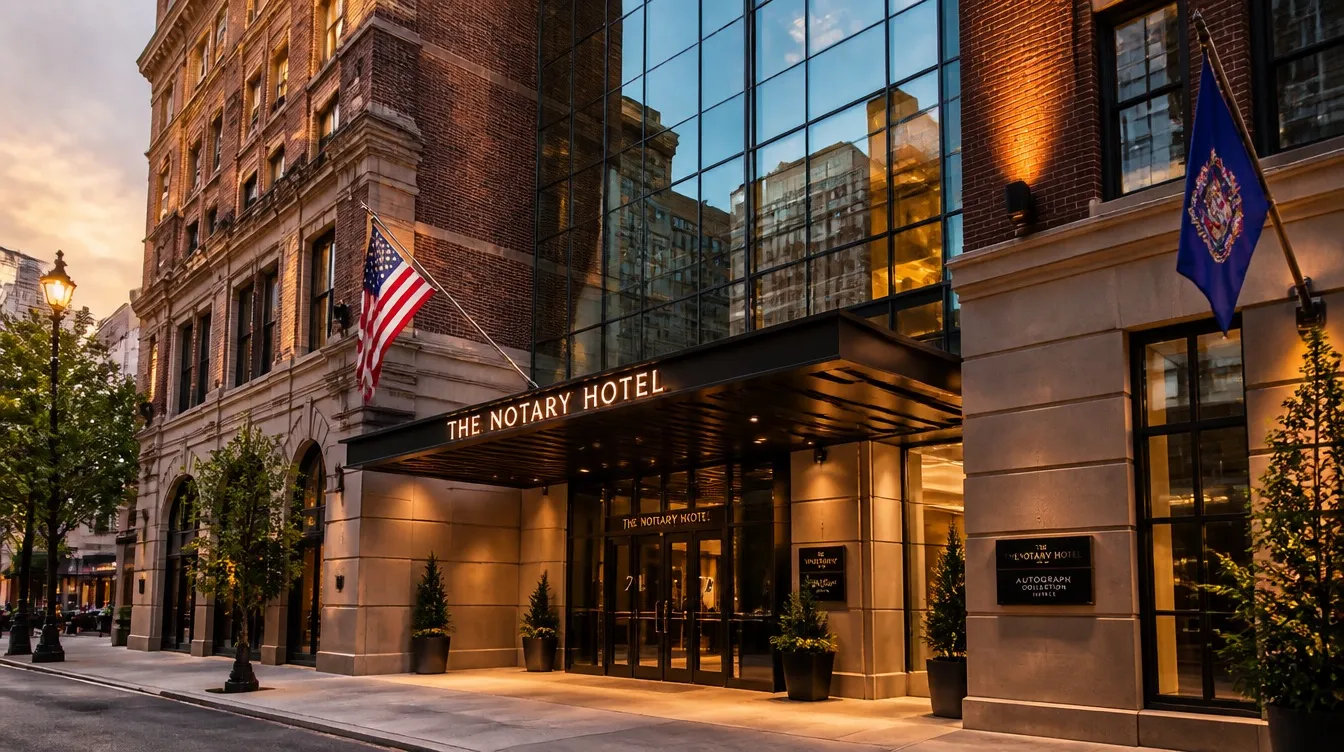
Your lobby seating is already showing compression in the foam and pilling along the armrests. You know what that means: a mid-contract replacement that was not in the capital budget. Philadelphia's hotel market does not forgive that kind of oversight. Center City properties compete directly with new boutique builds in Fishtown and Old City for the same design-conscious traveler. A Rittenhouse Square hotel drawing pharmaceutical executives and Penn Medicine conference attendees needs a lobby that communicates quality from the moment guests walk in because those guests have stayed in a lot of hotel lobbies and they make the comparison automatically. Getting hotel lobby furniture Philadelphia right is not a decorative decision. It is an operational one, and the durability and lead-time decisions you make at spec time determine what your lobby looks like in year three.
Why Philadelphia's Mixed Traffic Changes the Durability Equation
Philadelphia's hotel market draws a more varied guest profile than most East Coast cities its size. Pharmaceutical and biotech business travelers from the GSK and Merck regional corridor and from the dense healthcare systems of Penn Medicine, Jefferson Health, and Children's Hospital of Philadelphia are high-spend, repeat visitors who notice when a lobby degrades between stays. Pennsylvania Convention Center overflow absorbs into Center City, Rittenhouse Square, and Old City hotels during major conferences, sending groups through lobbies at volumes that guestroom-only durability analysis would underestimate. Fishtown's national food reputation draws a design-literate leisure guest who chose the boutique specifically because it looked compelling in a photo and who will notice if the lobby does not match.
A hotel lobby chair in a 180-key Center City convention hotel is not being used by one guest at a time. It is being used by dozens simultaneously, throughout the day and into the evening, by people of varying sizes in business attire and casual wear. Contract-grade hotel lobby furniture Philadelphia properties need is built for exactly that. The critical metrics: upholstery fabric rated at 50,000 double rubs or higher for heavy-traffic lobby positions, frame construction using kiln-dried hardwood or welded steel with corner-blocked joints, and foam density that does not compress flat after six months of real commercial use.
Lobby lounge chairs at the 15,000 double-rub tier look fine in a showroom. They fail within a year of actual Philadelphia hotel lobby traffic. Working with a supplier who understands commercial-grade specifications not a retail vendor selling contract-adjacent product is the difference between furniture that holds up through a five-year cycle and furniture that gets replaced on an emergency timeline.
Philadelphia's Historic Contemporary Aesthetic in the Lobby Context
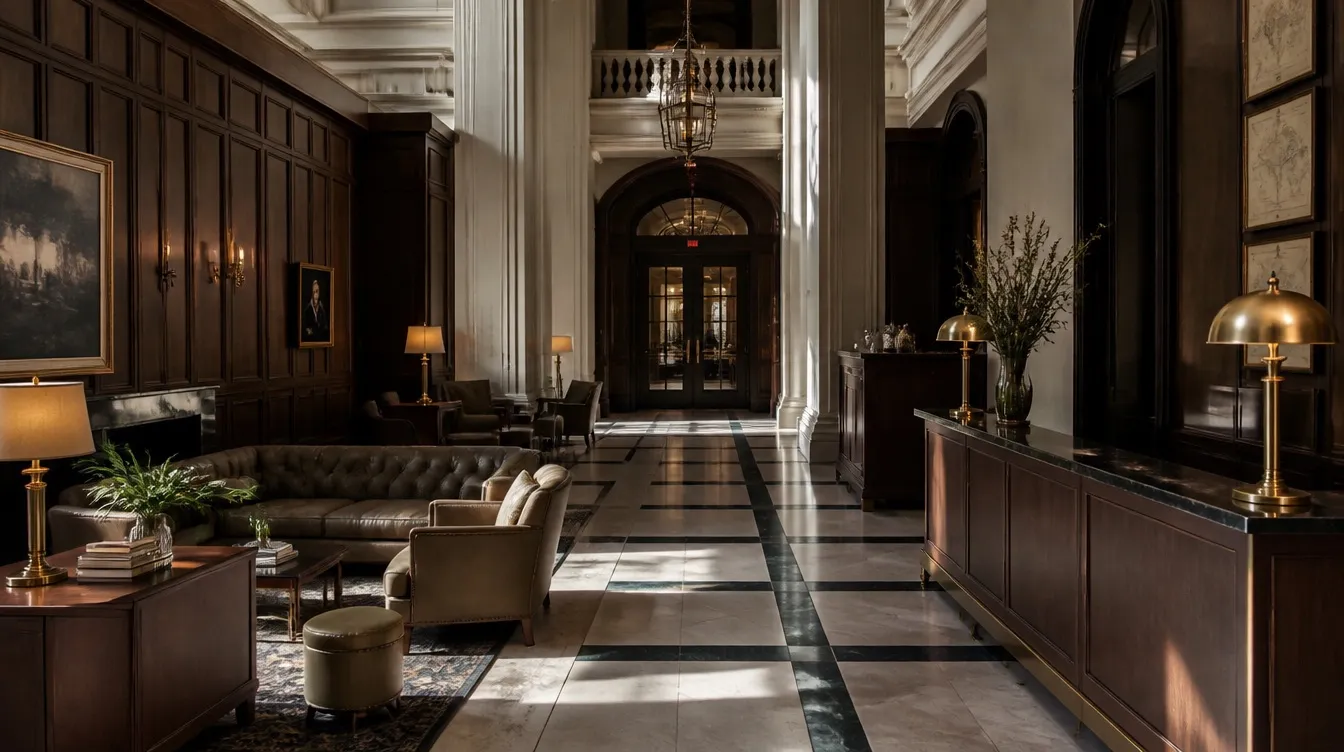
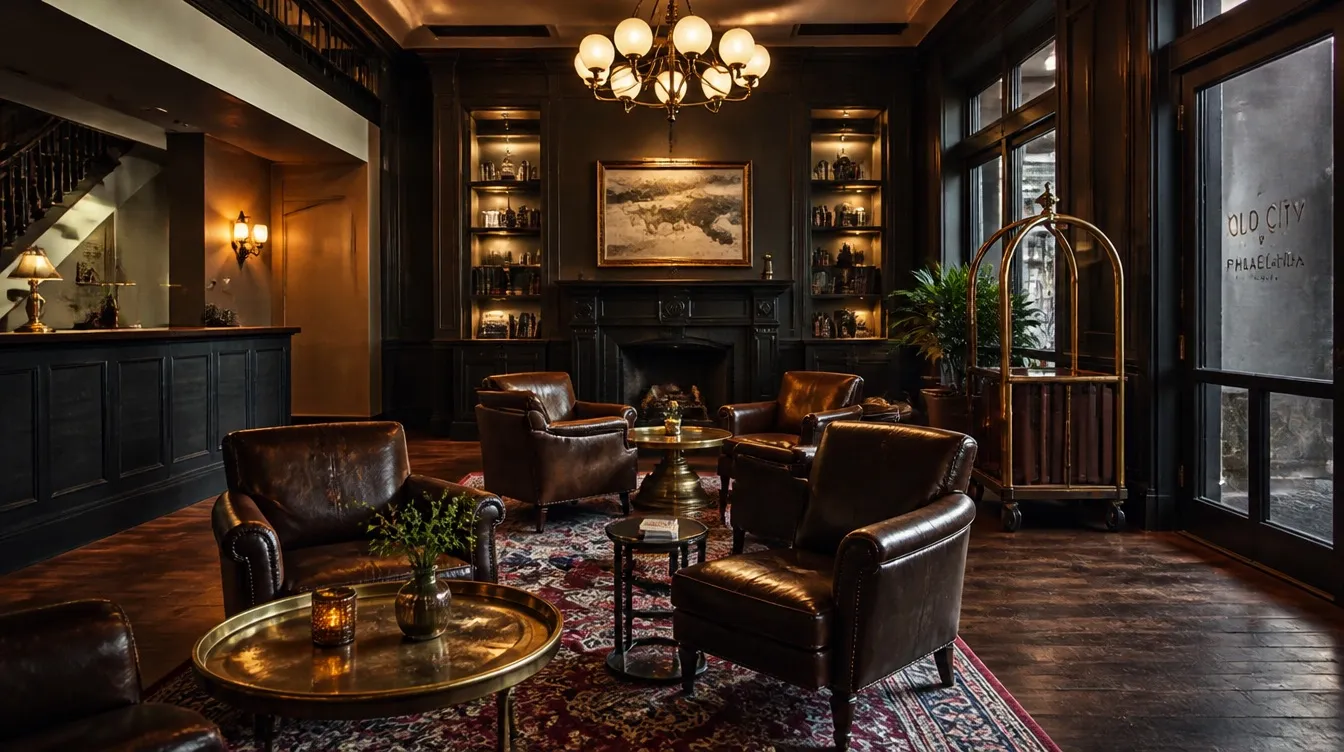
Philadelphia's most successful hotel lobbies over the past several years have moved toward a specific design register: warm, grounded, materially honest, and rooted in the city's architectural identity. Dark walnut or rich mahogany case pieces anchor the space. Seating in tobacco leather or navy performance fabric with a wool-like texture references Pennsylvania's craft heritage leather goods, ironwork, quality textile work without looking like a colonial reproduction. Lobby sofas with clean-lined frames and deep cushions read as welcoming rather than sterile. Ottomans in cognac leather serve double duty as additional seating and surface space for a guest checking messages before a meeting.
The palette discipline that distinguishes a well-designed Philadelphia hotel lobby from a generic one is tighter than most markets. Tobacco leather and aged brass, dark walnut and warm brick tones, dark navy and iron these combinations are consistent across the best Old City and Rittenhouse Square properties because they respond to the building context and the city's architectural DNA. A lobby that ignores that context in favor of a generic all-gray contemporary palette reads as imported from somewhere else, which is not what a guest choosing an Old City boutique is paying for.
For properties in historic buildings which describes a significant portion of Philadelphia's Old City and Center City hotel stock the lobby furniture program has to work around original architectural features that set the design baseline. Wide-plank floors, exposed brick, original moldings, transom windows: furniture that competes with these elements loses. Furniture that honors them, in weight, material, and palette, makes the room feel like it was designed as a whole.
Lead Times and Access Constraints for Philadelphia Lobby Projects
Philadelphia lobby furniture projects carry two constraints that out-of-market suppliers routinely miss. First, lead times that have to align with the convention center calendar. A lobby renovation targeting completion before a major pharmaceutical conference block at the Pennsylvania Convention Center has a hard deadline that does not flex. Contract-grade manufacturers ship custom orders on 8 to 14 week cycles. Get into the production queue before that window closes, not after.
Second, freight access in historic buildings is consistently tighter than in purpose-built hotel stock. An Old City property may have a service entrance accessible only through a shared historic alley. A Center City boutique in a converted Victorian commercial building may have a service elevator that was never designed for furniture delivery. Pieces that arrive in standard pallet configuration may need to be broken down and hand-carried floor by floor, and that has to be planned for not discovered on delivery day. Suppliers with direct experience delivering into Philadelphia's historic building stock prepare for this. Those without that experience will promise a single delivery and leave your operations team improvising.
Pricing for hotel lobby furniture in Philadelphia depends on quantities, finishes, and your delivery window, so a project-specific quote beats any list figure. Request a quote to get yours.