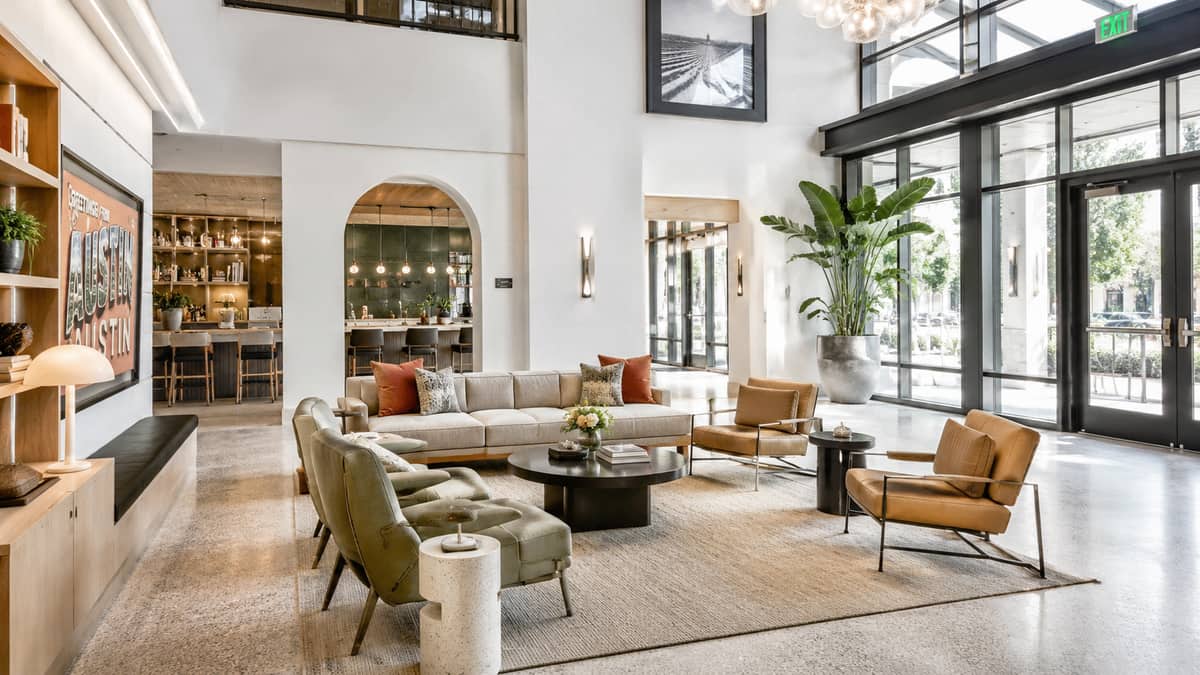
A delegate walks out of a three-day conference at the Knoxville Convention Center, catches a rideshare toward downtown, and walks through the front door of a boutique hotel near Market Square. They have just spent seventy-two hours in meeting rooms and ballroom corridors. Now they want to decompress. In the first fifteen seconds in your lobby, before anyone has said hello, before they have reached the front desk, your furniture tells them whether they are in the right place.
That is not a trivial moment in Knoxville's hotel market. The city runs a steady convention calendar downtown, absorbs a major seasonal surge every home football weekend, and serves as a gateway stop for travelers heading to and from the Great Smoky Mountains. Your lobby furniture is doing real work in that mixed context, and how it holds up visually and physically is a direct business variable.
Knoxville's Market Segments Demand Different Things From the Same Room
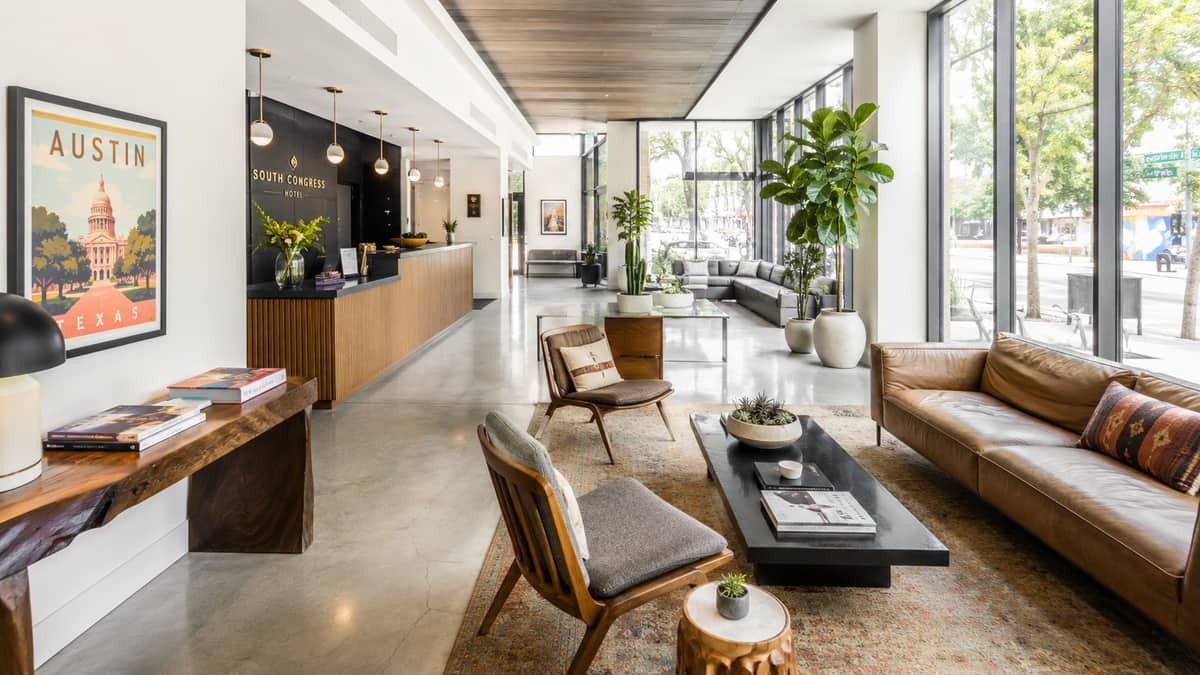
Knoxville's hospitality market is genuinely segmented in ways that matter for furniture specification. The properties serving the downtown convention corridor face a different durability challenge than the near-campus hotels absorbing game day traffic, and both differ from the boutique properties competing on design in the historic downtown core. All three segments need contract-grade construction, but the design brief is different and worth understanding before you commit to a specification.
Convention-adjacent properties downtown are managing lobby traffic at a scale that punishes anything under-specified. A large downtown hotel can cycle its entire guest population through the lobby twice in a single morning during a busy check-out. At that volume, upholstery fabric, frame joinery, and glide hardware are all in a race against time. Contract-grade kiln-dried hardwood frames, high-resilience foam rated for commercial use, and performance textiles rated above 100,000 double rubs are not premium options in this context, they are the floor.
Near-campus properties face a different pattern: long quiet stretches punctuated by sharp occupancy spikes on football weekends, when a full lobby of tailgate-bound guests moves through in a compressed window. Boutique properties downtown are managing a different expectation entirely. The guest who books a design-forward downtown property has already looked at the photos and chosen the property because of what it communicates visually. Durability remains non-negotiable, but the design judgment required to specify furniture that reads as intentional within a specific aesthetic is just as important as the rub count.
What Knoxville's Climate Actually Does to Lobby Furniture
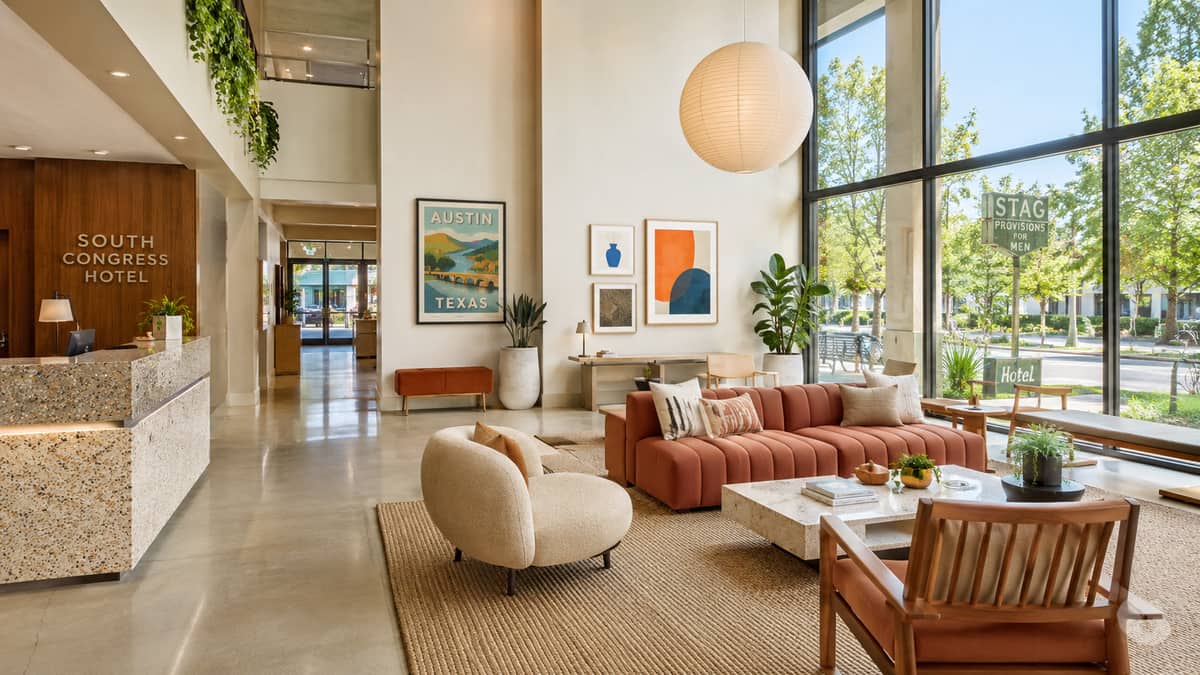
East Tennessee's climate is a real durability variable that operators sometimes underweight when specifying lobby furniture. The valley runs hot and humid through the summer months, and guests are walking in from heat with real regularity. That means air-conditioned lobbies handling the moisture guests bring in from outside, along with condensation from cold drink cups, bags left on upholstered surfaces, and the general moisture load of a Southern summer.
Performance textile specification matters here. Upholstery that is not rated for moisture contact will show degradation in the fabric surface and in the foam below it, particularly in the seat cushion and on chair arms where hands and bags make regular contact. Stain-resistant and moisture-resistant treatment on upholstery fabric is a baseline call, not an upgrade, for Knoxville hotel lobbies.
Frame construction is equally relevant. Solid hardwood or steel frames with reinforced corner blocking and mechanical fasteners that can be re-tightened handle the expansion-contraction cycles that Knoxville's seasonal humidity and occasional winter ice create. Particleboard frame components absorb humidity and swell, which loosens joints and accelerates structural failure.
Designing for the Arrival Experience in Knoxville's Signature Spaces
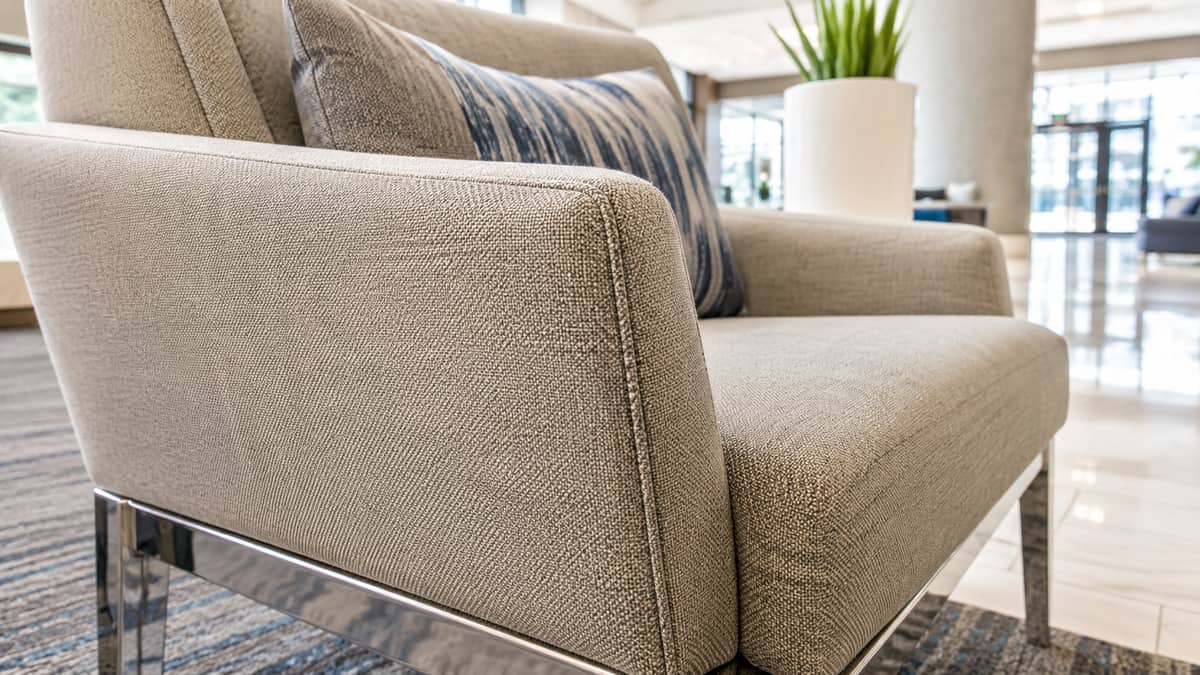
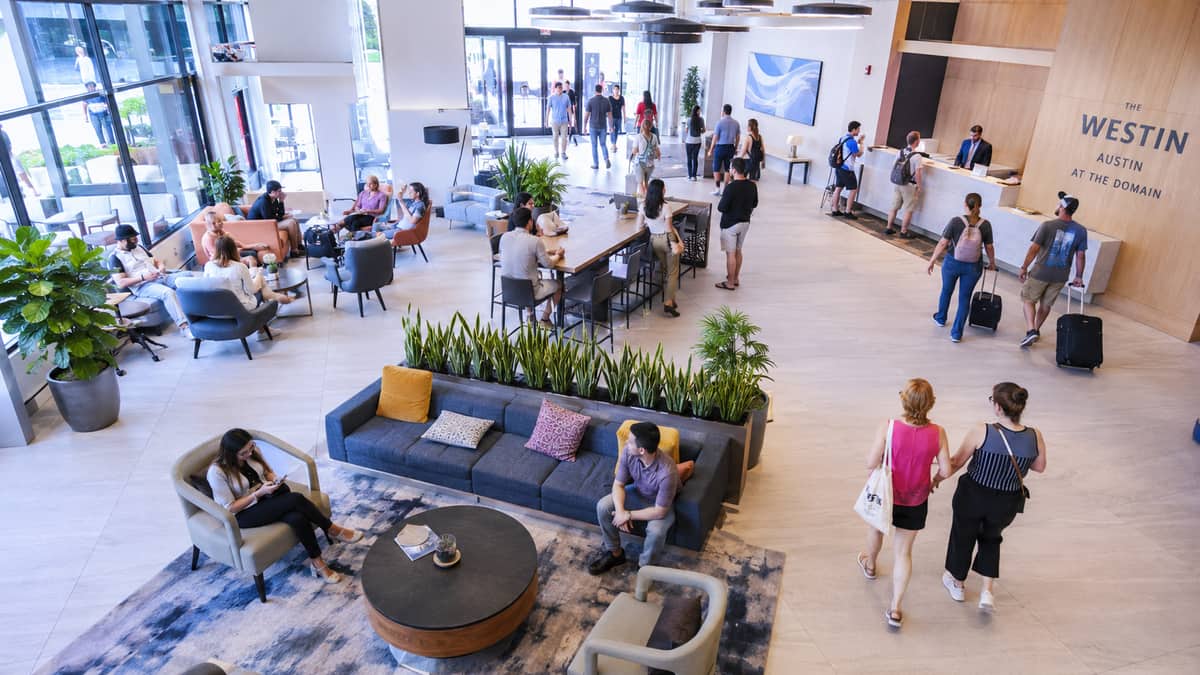
In downtown Knoxville properties near Market Square and World's Fair Park, the guest demographic trends toward convention attendees, arts and culture visitors, and travelers who have seen a lot of lobbies. The furniture that registers as right here has clean lines, quality upholstery that holds its shape, and a scale that fits the room. A lounge chair with a solid silhouette in a textured neutral fabric, scaled correctly to ceiling height, communicates the same thing good lighting and a quiet check-in process do: this property is run with intention.
Near-campus properties are competing on a different register, one built around efficient movement. Guests arriving after a tailgate or a long game day want to orient quickly. Lobby furniture here needs to support seating clusters that do not create bottlenecks in the path from door to desk to elevator, chairs that are easy to exit without awkwardness, and configurations that can be cleared or rearranged for a private gathering during a busy weekend.
Procurement Timing and the Knoxville Renovation Cycle
Knoxville's hotel development activity has been steady across downtown, near-campus, and interstate-adjacent submarkets, and renovation activity has followed both for legacy properties updating common areas and for conversion projects turning historic buildings into boutique hospitality. That pace creates real planning pressure around furniture procurement.
Contract-grade furniture is built to order. Lead times for standard commercial pieces run eight to twelve weeks from confirmed specification, with custom or semi-custom pieces adding coordination time on top. If your property has a hard opening tied to a football season or a convention calendar commitment, those lead times need to be built into the project schedule from the beginning. Working with a supplier who can provide clear lead time commitments and has experience with hospitality projects at your property's volume is worth more than a lower unit price from a vendor treating a hotel lobby order like a retail transaction. Request a quote with your timeline attached so lead times can be confirmed early.