Knoxville's boutique hotel market does not behave like a single city. You have downtown properties in restored historic buildings pitching to travelers who want something more distinctive than a chain box near the interstate. You have independent hotels near the University of Tennessee campus competing for overflow demand on football weekends. You have a growing set of properties positioning themselves as a base for Great Smoky Mountains travelers who want a walkable downtown experience before or after their mountain stay. Each of those contexts demands a different furniture answer, and none of them can be served by a standard chain-hotel FF&E program. If you are sourcing boutique hotel furniture Knoxville style, the core challenge is the same across all of them: contract-grade construction, smaller quantities, and an aesthetic that feels intentional rather than assembled from a catalog.
Why Knoxville's Event Calendar Changes the Durability Math
Neyland Stadium and the surrounding campus drive some of the sharpest occupancy swings in the region, and the events downtown, convention bookings at the Knoxville Convention Center, festivals around Market Square and World's Fair Park, add their own surges throughout the year. Furniture that performs during a quiet mid-week stay faces a different stress level than furniture absorbing a sold-out football weekend, when thousands of visitors are moving through the city at once. That is not a complaint about the market. It is a sourcing consideration.
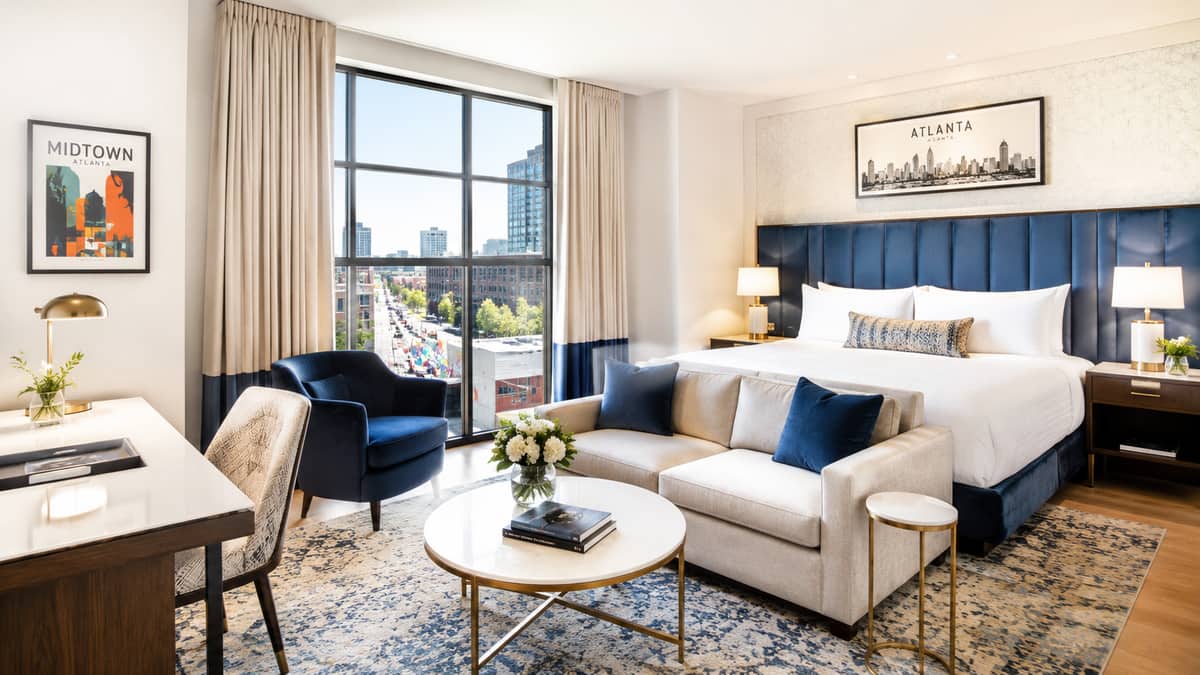
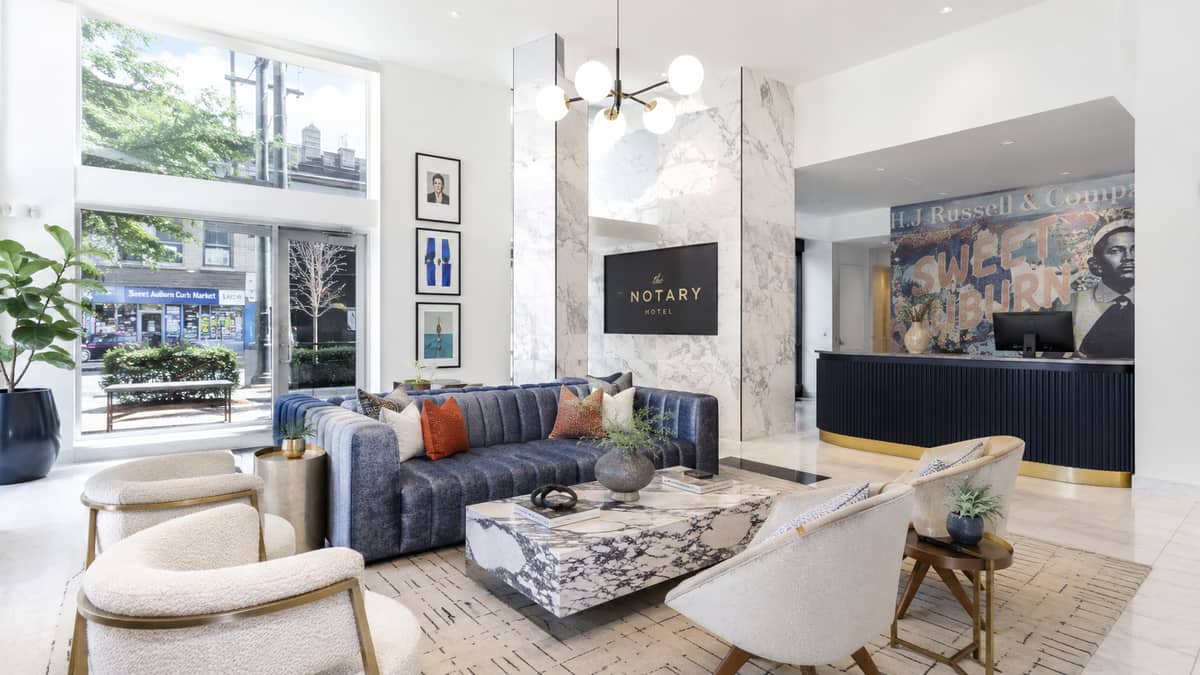
Furniture that looks right during a slow week can fail fast under a compressed occupancy spike. The lounge chairs in your lobby, the upholstered pieces in your bar area, the guestroom seating, all of it needs to be specified for heavy commercial use from the start. Residential-grade pieces dressed up with hospitality language fail on a timeline that turns what looked like savings into a capital expense problem within two seasons.
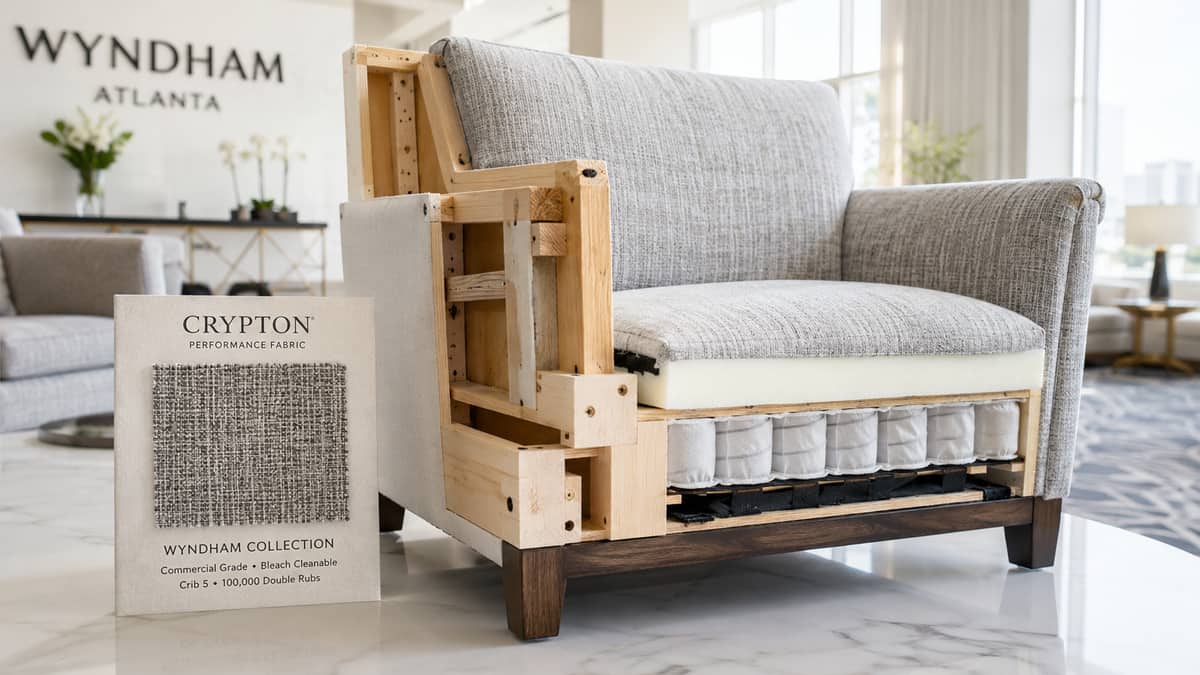
Contract-grade construction means hardwood or engineered hardwood frames, upholstery rated above 30,000 double rubs for seating in high-traffic areas, and joinery built for repeated use by people who are not being careful. For boutique properties absorbing Knoxville's event calendar, that construction standard is not optional, it is the floor.
Design Cohesion in a City Built Around Its Downtown
What separates a strong boutique property from an average one in Knoxville is not the individual pieces, it is whether the room reads as designed. That distinction is entirely a function of how early you lock your material palette before sourcing begins.
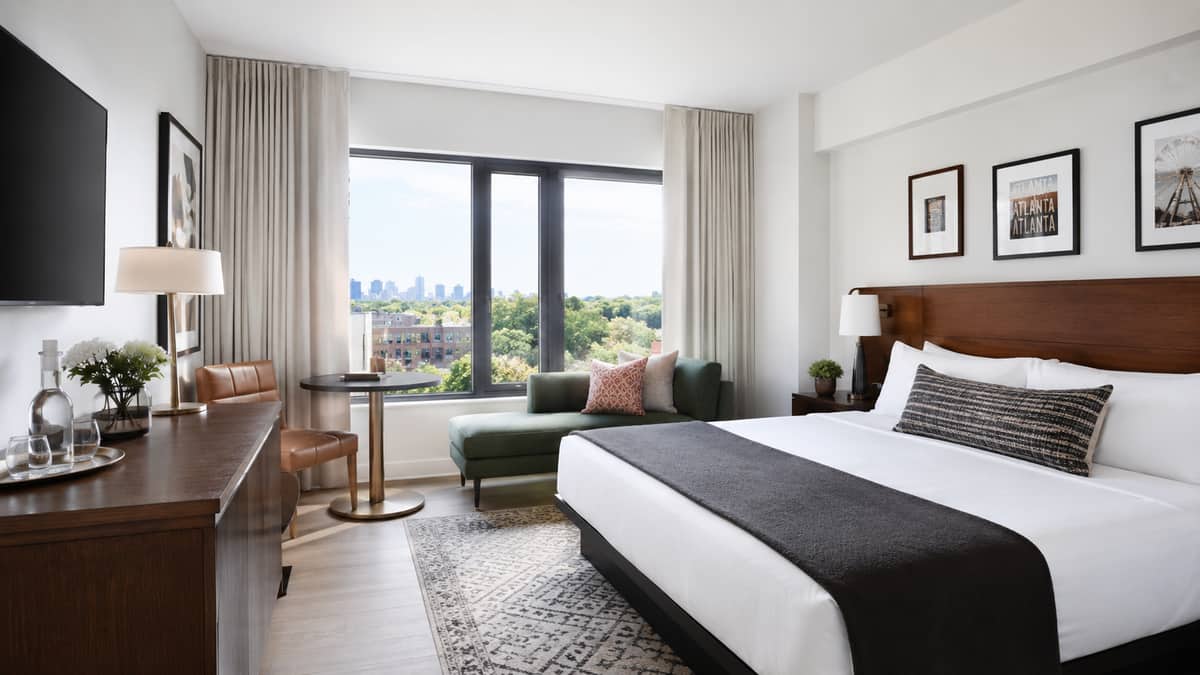
A downtown property housed in a restored historic building can credibly pull from the industrial-residential vocabulary you see throughout the Old City: warm steel frames, wood surfaces with visible grain, textile accents that connect to the region's craft and maker culture. A near-campus property positioned toward game day visitors and business travelers needs a tighter, more durable program: case goods with clean lines, upholstered seating in high-performance fabric that photographs well and holds its appearance through repeated use.
The mistake is sourcing individual pieces that each look compelling in isolation, then trying to make them cohere at install. Design-literate guests, who represent a growing share of Knoxville's boutique traveler base, notice immediately when a room lacks visual logic. Palette first, sourcing second. Pick two or three anchor finishes, a consistent wood tone or metal family, a tightly defined fabric range, and hold every piece to those constraints before a single approval goes out.
Navigating Minimums and Finding the Right Suppliers
Most major contract furniture manufacturers are tooled for scale, comfortable with three hundred room orders. A forty room boutique downtown ordering forty units of a lounge chair and twenty five guestroom desk chairs does not move the needle for most large manufacturers, and their minimum order requirements reflect that reality.
This is not an obstacle, it is a filter. The suppliers you want are the ones who have built their business around exactly this kind of account: independent hotels, boutique projects, adaptive reuse developments. These manufacturers are accustomed to smaller quantities, mixed SKU orders, and the specification flexibility that boutique projects require. Ask about minimums upfront, in writing, before you invest time building a specification around a supplier who cannot actually serve your project.
Planning for Knoxville's Renovation Cycle
Boutique properties downtown and near campus refresh their interiors on a faster cycle than you might expect going in. New inventory continues to open in the region, and properties that looked current at opening can feel dated within four or five years as new competitors arrive.
The right time to plan for that refresh is during initial procurement, not when you are already behind schedule. Specify frames and case goods built to last the full cycle. Treat upholstery as the variable you will swap on a shorter rotation. Require COM-ready construction on all upholstered pieces from the start so reupholstery is straightforward when the time comes. Request a quote early enough to give your supplier room to work through custom lead times before your target opening.