Reno is not the same city it was fifteen years ago. The arrival of Tesla's Gigafactory, the broader tech and logistics industry relocation to the Nevada corridor, and a deliberate push toward outdoor recreation tourism -- Tahoe, Truckee, and the Sierra Nevada are all within an hour -- have layered a new hospitality identity on top of the casino resort infrastructure that has always defined the city. Hotels in Reno now serve a mix of gaming guests, tech industry workers, outdoor recreation travelers, and convention groups that is more varied than most Nevada markets. Furniture for this market needs to hold up under casino-resort commercial loads while projecting the character that Reno's new identity requires.
Reno's Hotel Market Today
The casino resort corridor along Virginia Street remains the core of Reno's hotel market -- properties like the Grand Sierra Resort, the Peppermill, and the Atlantis run large room counts at commercial loads that retail furniture cannot absorb. Gaming markets generate a specific wear pattern: 24-hour occupancy cycles, guests who may be in the room at any hour, and a pace of use that accelerates furniture degradation faster than a standard hotel occupancy schedule.
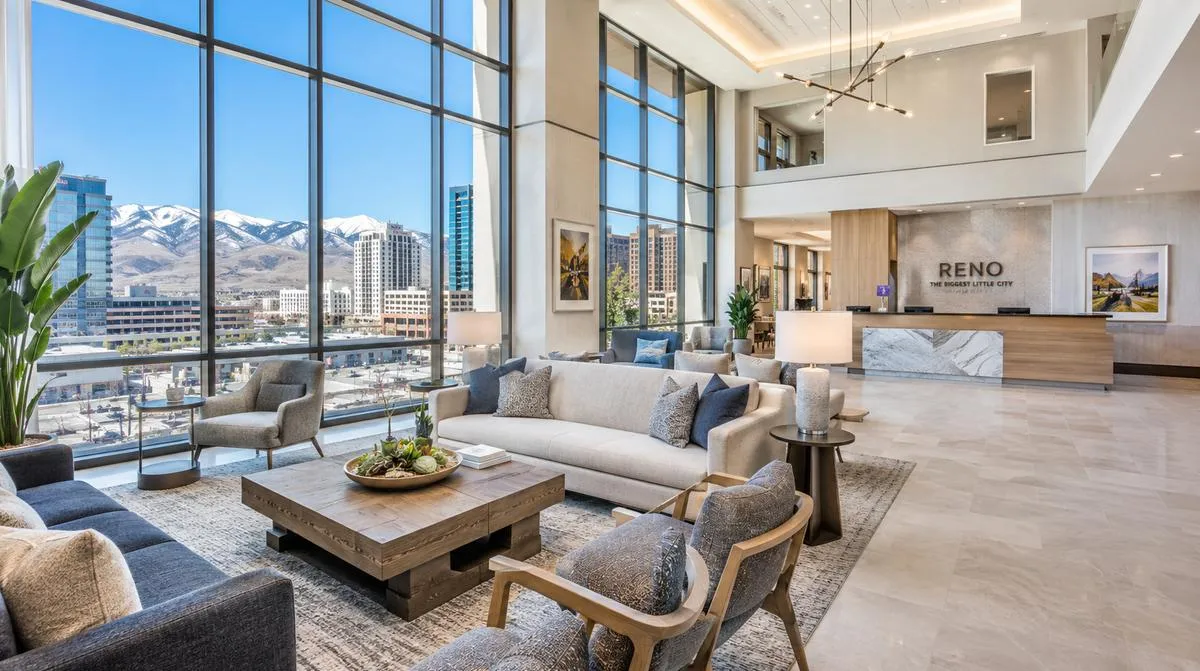
The tech industry relocation has created a new midweek travel segment. Tesla Gigafactory employees, logistics and data center workers, and the broader industrial base that has followed Nevada's tax incentives into the Reno corridor generate steady business travel demand with quality expectations shaped by the Bay Area and Pacific Northwest hospitality markets they came from. These guests hold Reno hotel rooms to a standard the legacy casino market did not need to meet.
The outdoor recreation segment draws visitors from California and the Pacific Northwest specifically for Sierra Nevada access -- ski season at Tahoe, summer hiking and mountain biking, and fall leaf season. These guests tend toward the newer boutique and lifestyle properties that Reno's midtown neighborhood has developed in recent years.
Nevada's Gaming Market Furniture Specifications
Casino resort rooms cycle through occupancy patterns that standard hotel specifications don't account for. Frame construction needs to be welded steel or kiln-dried solid hardwood -- not engineered wood with dowel joinery -- to survive the continuous use that a 95 percent occupancy gaming resort puts on guestroom furniture.
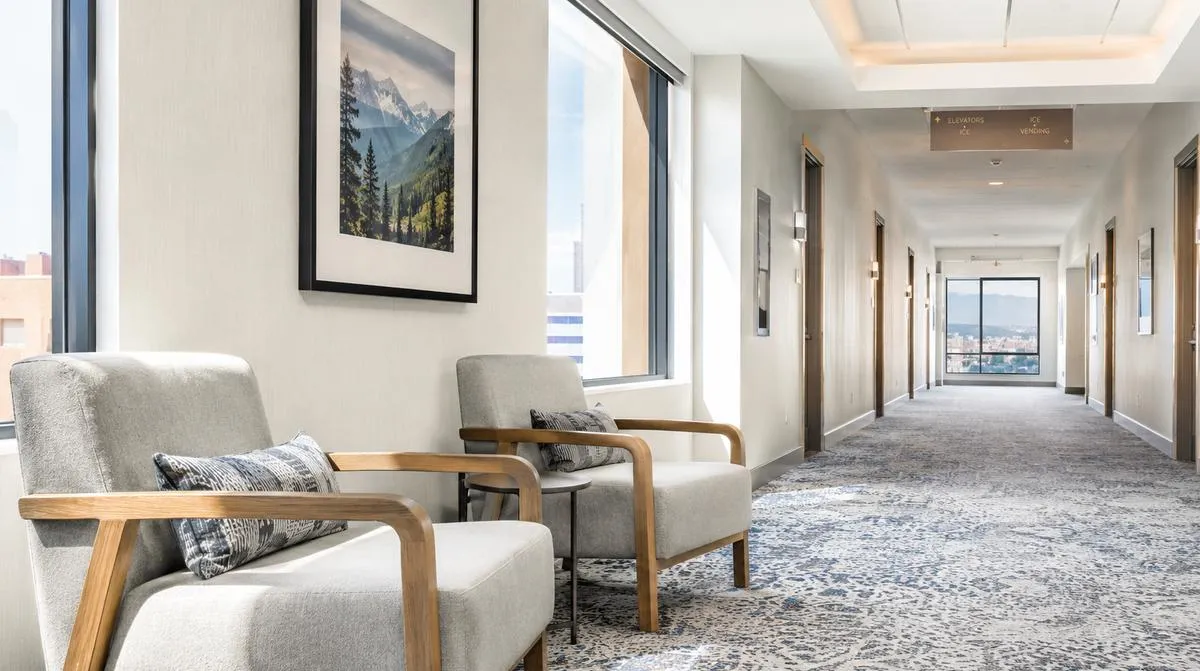
Nevada does not have California's TB 133 fire code requirements, but casino resort properties typically specify to a commercial grade that matches or exceeds California standards anyway -- fire safety in a 24-hour gaming environment is taken seriously by operators and regulators alike. Confirm the applicable Nevada fire code requirements for your specific property type and occupancy classification.
Working With a Reno Hotel Furniture Supplier
Lead times for custom contract upholstery run 10 to 14 weeks. Reno casino resort renovations often work around gaming floor schedules and require precise delivery phasing to minimize impact on operational floors. Request confirmed delivery commitments at the point of purchase.
Tell us about your Reno hotel furniture needs and we will turn your quantities, finishes, and timeline into a firm quote. Request a quote whenever you are ready to compare.