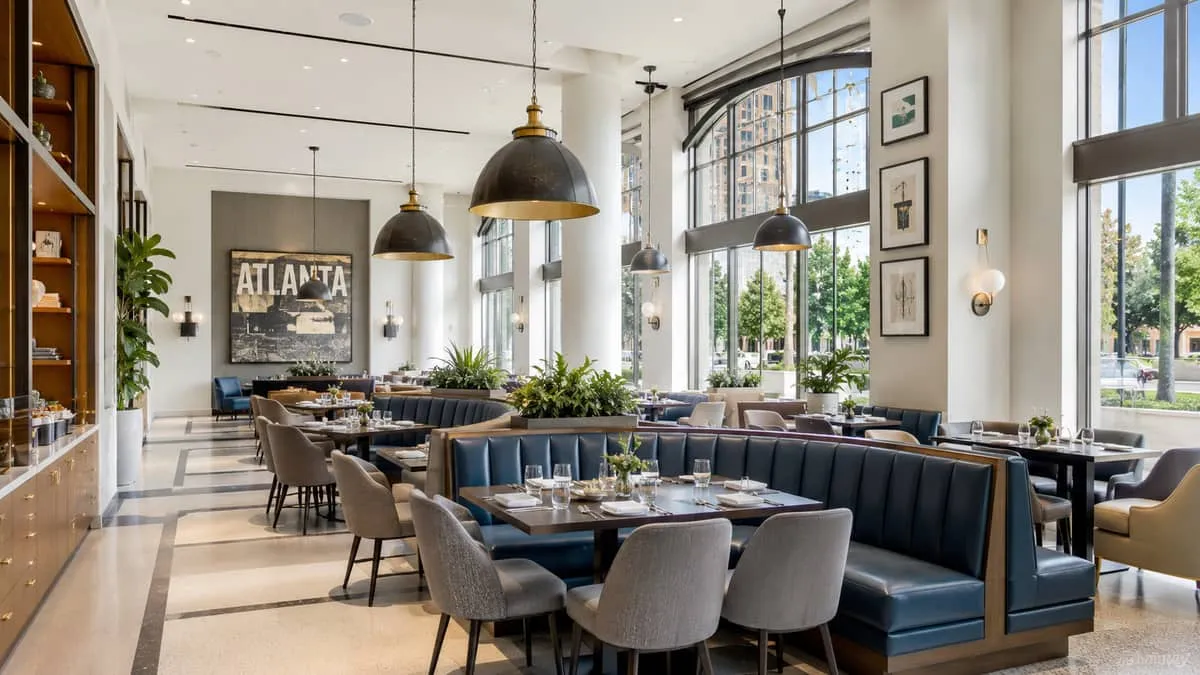
West Palm Beach sits at the center of a hospitality market that serves both a working downtown business district and a resort economy just across the Intracoastal Waterway. The Palm Beach County Convention Center keeps a steady stream of conference business moving through downtown hotels, Palm Beach International Airport feeds the market with business and leisure travelers year round, and the seasonal snowbird population that fills the metro from November through April drives a genuinely different demand pattern than the rest of the year. If you are developing or refreshing a property here, the procurement challenge is not finding furniture, it is locking in specifications, managing lead times from suppliers that are rarely local, and coordinating delivery against a construction schedule and a hurricane season that will not wait for you.
What FF&E Covers on a West Palm Beach Project
FF&E stands for furniture, fixtures, and equipment. In a hotel context, that is your guestroom beds, nightstands, desks, and chairs. It is your lobby lounge seating, the banquettes in your restaurant, bar stools at your lounge, and decorative lighting fixtures throughout public spaces. In a restaurant-only project, it covers dining tables, all seating, host stands, and any fixed booth or banquette construction procured through the furniture budget rather than the general contractor.
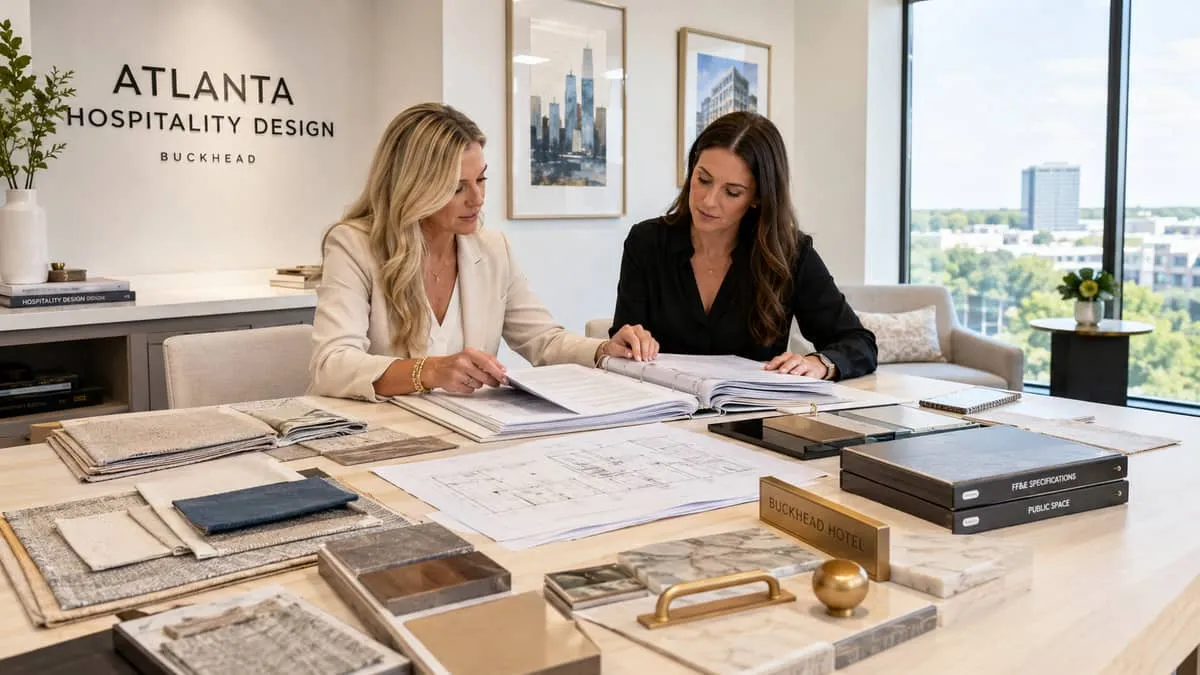
What FF&E does not cover is OS&E, operating supplies and equipment, linens, dishware, kitchen smallwares, and anything with a short replacement cycle. The line matters because FF&E is a capital expenditure managed by your development or ownership team, while OS&E is an operational cost managed by whoever is running the property. On a larger West Palm Beach project, a downtown convention hotel or a resort renovation on Palm Beach Island, the FF&E budget can reach seven figures. Treating it like a procurement afterthought is how projects go sideways.
Get your FF&E scope defined in writing before you engage any vendors. A clear scope document keeps your interior designer, procurement agent, and general contractor working from the same definitions.
How the West Palm Beach Market Shapes Procurement Timelines
West Palm Beach operators are often surprised by how quickly the procurement clock runs, and hurricane season adds a scheduling risk that most inland markets do not carry. Contract furniture manufacturers, particularly those producing custom upholstered seating or branded casegoods, carry lead times of 14 to 22 weeks from confirmed purchase order to delivery. Custom work pushes those timelines to 28 weeks or beyond, and any order that ships or transits during peak hurricane season, roughly June through November, carries real risk of weather-related delay.
For a downtown hotel near the convention center, a boutique property along the Intracoastal, or a resort renovation on Palm Beach Island, your procurement process needs to begin well before construction is complete. The practical sequence looks like this: specifications locked during the design development phase, bids issued two to three weeks later, purchase orders placed no later than 20 to 22 weeks before your target delivery date, and delivery phased into the property zone by zone as construction turns over.
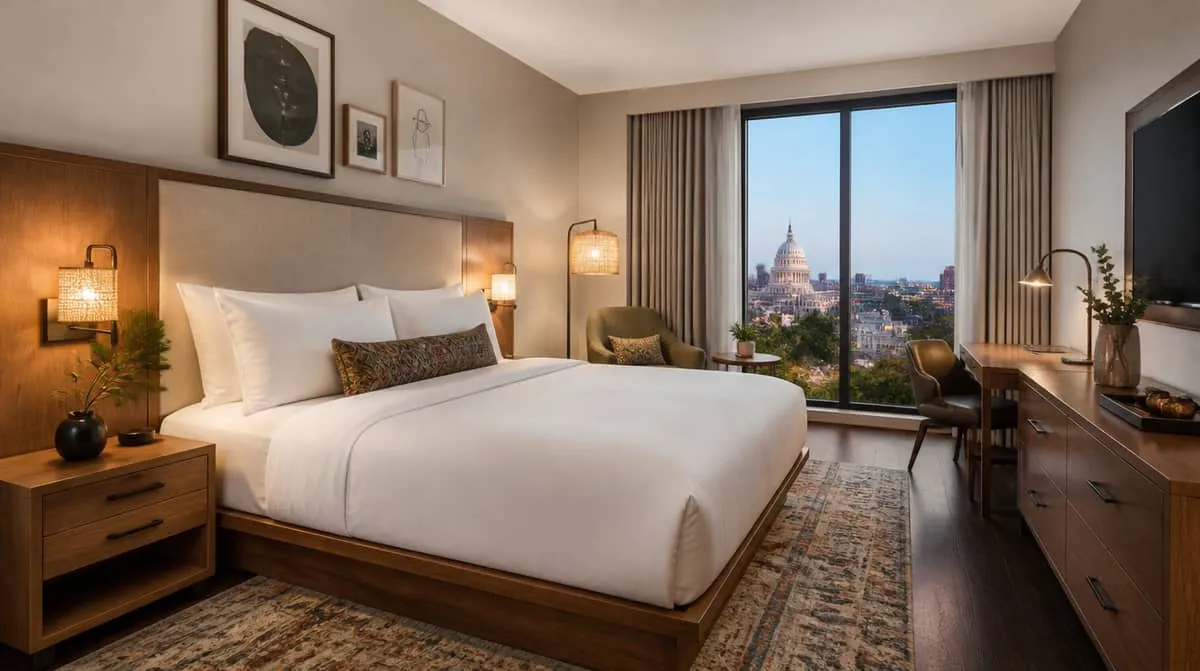
The winter snowbird season creates a pressure point most other markets do not have to the same degree. When seasonal demand peaks from roughly November through April, hotel occupancy across the metro spikes and rooms sell out weeks in advance. If your opening date is tied to that window, a procurement delay does not just cost you days, it costs you the rate premium that came with that date.
South Florida's climate adds its own procurement variable. Salt air and humidity stress finishes and cushion foam faster than in drier markets, and any outdoor or patio furniture destined for a downtown restaurant or an Intracoastal pool deck needs to be specified for that exposure from the start, not adjusted after the fact.
Working With Designers and Procurement Agents
Most West Palm Beach hospitality projects involve three parties: an interior designer setting the aesthetic vision, a procurement agent managing vendors and purchase orders, and you as the owner holding the budget and the deadline. The dynamic between those three parties determines whether your project opens on time or spends its final weeks in crisis mode.
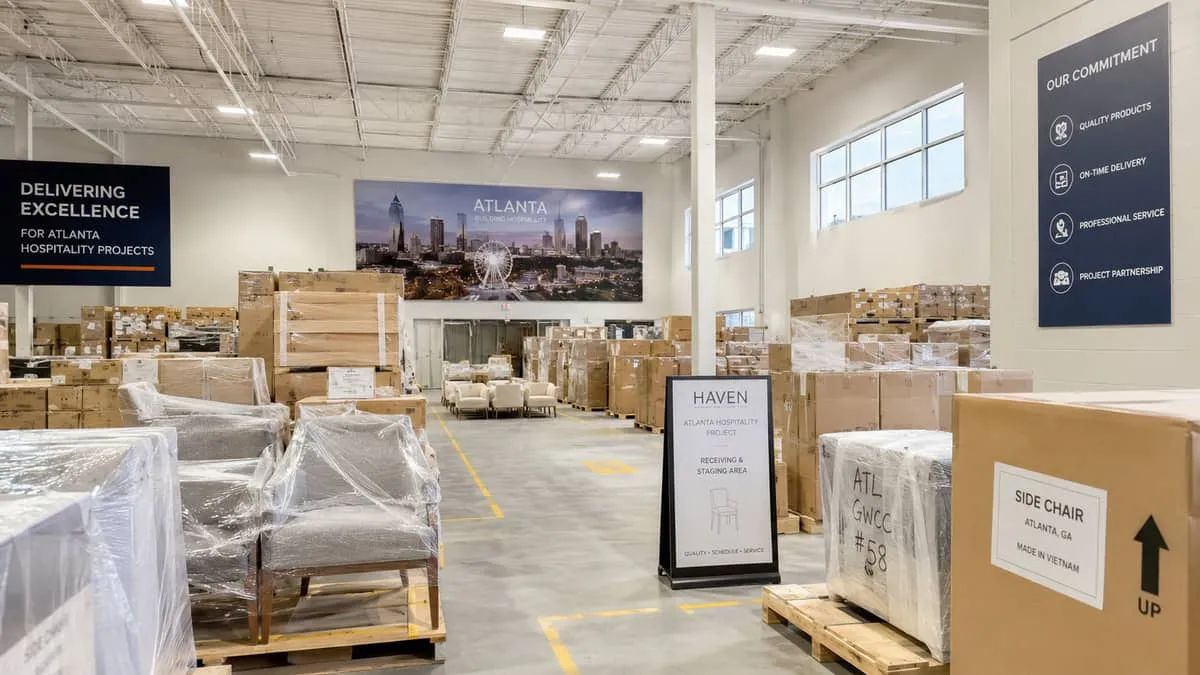
The most consistent mistake in West Palm Beach projects is engaging the procurement agent too late. If you wait until design is fully resolved before asking about pricing and lead times, you will be redesigning pieces under time pressure, substituting product at the last minute, and sometimes pushing your certificate of occupancy, all while hurricane season adds weeks you did not budget for. Bring your procurement agent in during schematic design, when specifications are still flexible enough to value engineer without damaging the concept.
For larger projects, a full-service hotel downtown or a resort property on Palm Beach Island, many operators use a dedicated FF&E procurement consultant who sits between design and purchasing. That role owns vendor communication, purchase order management, freight coordination, and punch list resolution.
What Your Budget Should Account For
FF&E budgets for West Palm Beach hospitality projects vary by property tier and design complexity, with a resort or luxury boutique property on Palm Beach Island reaching well past what a select-service property downtown would budget per key. Several line items reliably catch developers off guard. Freight into South Florida adds real cost on top of product price, and white-glove delivery and installation, often contracted separately from the furniture purchase itself, runs another meaningful percentage on top of that. Build a contingency of at least 10 percent into your FF&E budget from the start, and plan around hurricane season risk on any shipment timed for the summer or fall.
The properties that open on time and on budget in West Palm Beach are the ones that started procurement early, respected lead times that account for coastal freight and weather risk, and kept the designer and procurement agent in constant communication throughout the process. Talk to our team about your project timeline before you finalize a specification.