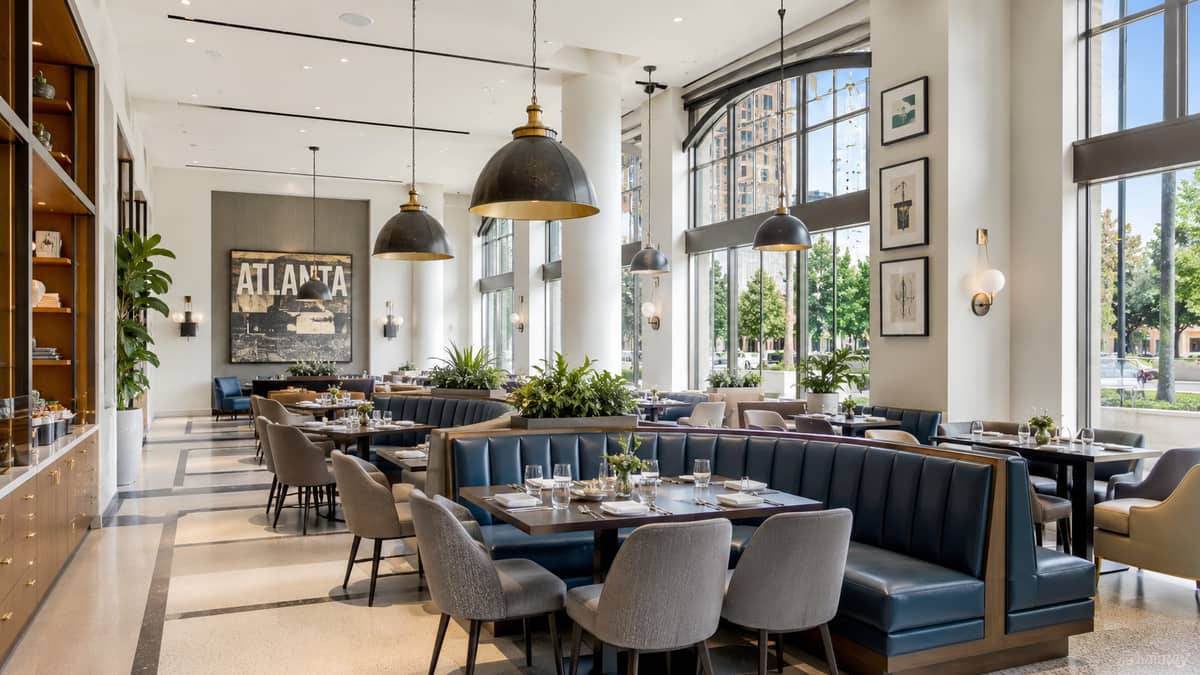
Tucson sits at the center of a hospitality market shaped by strong seasonal contrast. Downtown, the Congress Street and Fourth Avenue corridor has spent the last decade turning historic buildings into one of the more interesting restaurant and hotel scenes in the Southwest. The Catalina foothills carry a resort tier that competes directly with Scottsdale and Palm Springs for golf and wellness travelers. The University of Arizona keeps demand steady across the academic year with sharp spikes around football weekends and graduation. And every winter, snowbird residents and the Gem, Mineral & Fossil Showcase push occupancy well above the summer baseline across nearly every property type. If you are developing or refreshing a property here, the procurement challenge is locking in specifications, managing lead times from suppliers that are rarely local, and coordinating delivery against a construction schedule that will not wait for you.
What FF&E Actually Covers (and What It Does Not)
FF&E stands for furniture, fixtures, and equipment. In a hotel context, that is your guestroom beds, nightstands, desks, and chairs. It is your lobby lounge seating, the banquettes in your restaurant, bar stools at your rooftop lounge, and decorative lighting fixtures throughout public spaces. In a restaurant-only project, it covers dining tables, all seating, host stands, and any fixed booth or banquette construction procured through the furniture budget rather than the general contractor.
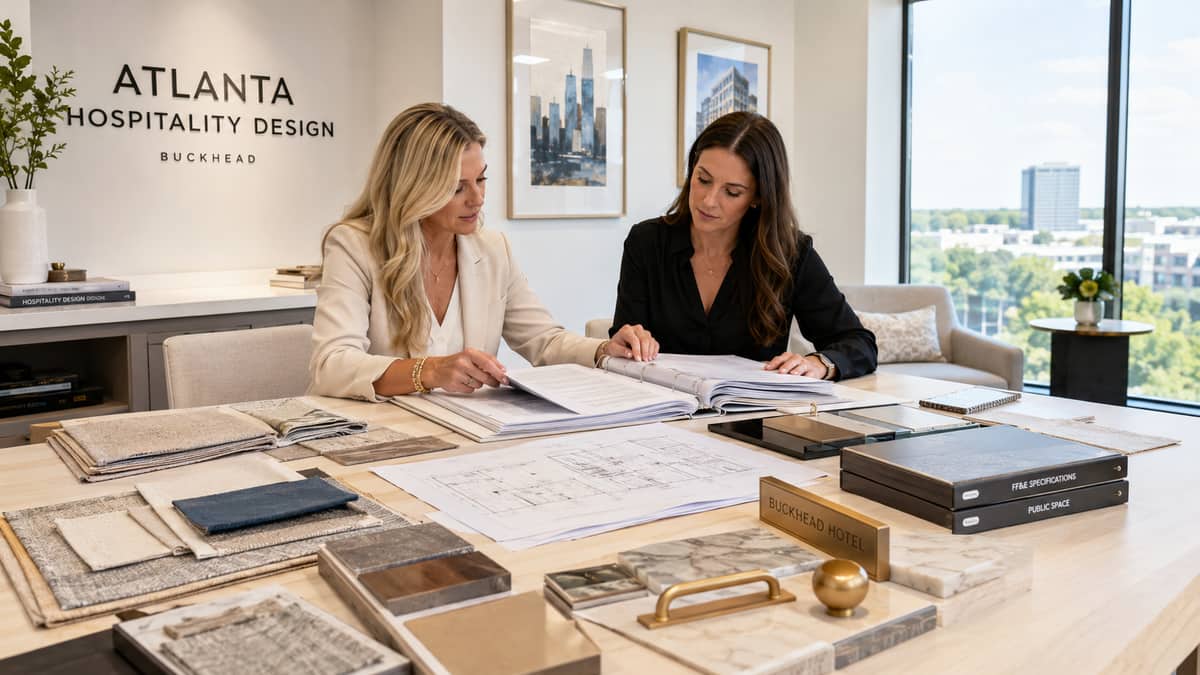
What FF&E does not cover is OS&E, operating supplies and equipment. That category handles linens, dishware, glassware, kitchen smallwares, and anything with a short replacement cycle. The line matters because FF&E is a capital expenditure managed by your development or ownership team, while OS&E is an operational cost managed by whoever is running the property. On a larger Tucson project, a select-service hotel near the university or a resort renovation in the foothills, the FF&E budget can reach seven figures. Treating it like a procurement afterthought is how projects go sideways.
How the Tucson Market Shapes Procurement Timelines
Tucson operators are often surprised by how quickly the procurement clock runs. Contract furniture manufacturers, particularly those producing custom upholstered seating or branded casegoods, carry lead times of 14 to 22 weeks from confirmed purchase order to delivery. Custom work, distinctive pieces that reflect a property's own design identity rather than generic catalog options, pushes those timelines to 28 weeks or beyond.
For a resort property in the foothills, a downtown boutique property near Congress Street, or a university-area hotel, your procurement process needs to begin well before construction is complete. The practical sequence looks like this: specifications locked during the design development phase, bids issued two to three weeks later, purchase orders placed no later than 20 to 22 weeks before your target delivery date, and delivery phased into the property zone by zone as construction turns over.
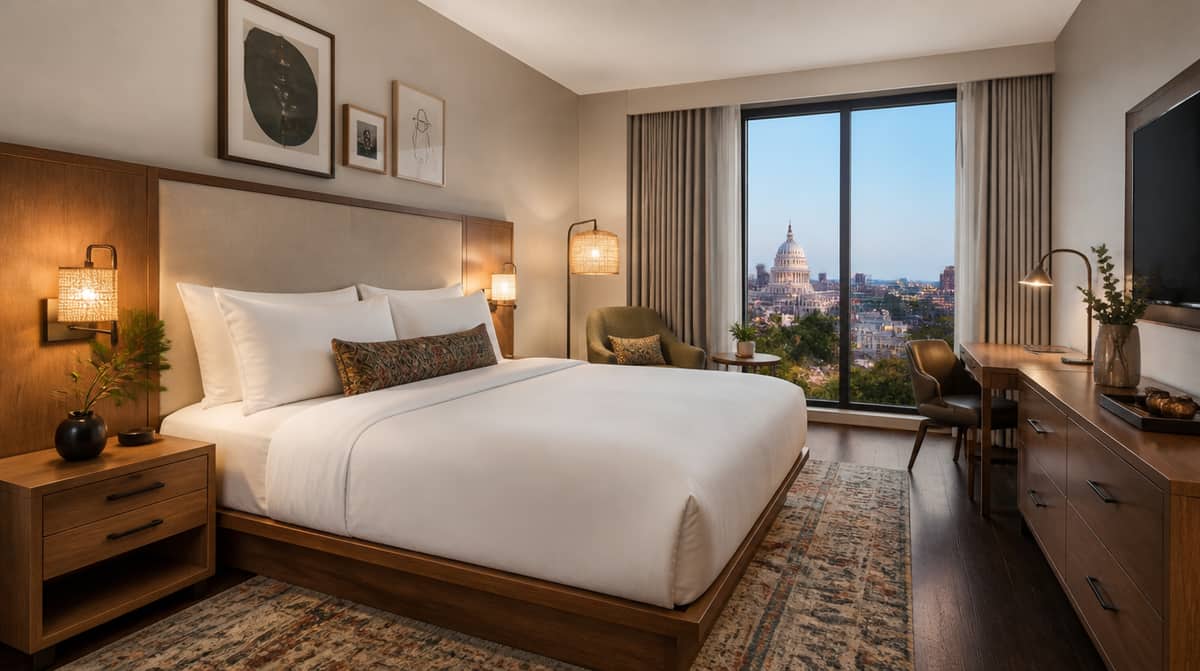
Tucson's winter demand surge creates a pressure point most other markets do not have to the same degree. When snowbird season and the Gem Show land, hotel demand across the city spikes sharply and rooms sell out weeks in advance. If your opening date is tied to that window, a procurement delay does not just cost you days, it costs you the rate premium that came with that date.
Tucson's climate adds its own procurement variable. Intense UV exposure and a distinct summer monsoon season mean outdoor and semi-outdoor furniture here needs to handle a wider range of conditions than furniture destined for a milder market, and that narrows product options while adding cost when you source correctly.
Working With Designers and Procurement Agents
Most Tucson hospitality projects involve three parties: an interior designer setting the aesthetic vision, a procurement agent managing vendors and purchase orders, and you as the owner holding the budget and the deadline. The dynamic between those three parties determines whether your project opens on time or spends its final weeks in crisis mode.
The most consistent mistake in Tucson projects is engaging the procurement agent too late. If you wait until design is fully resolved before asking about pricing and lead times, you will be redesigning pieces under time pressure, substituting product at the last minute, compromising design intent, and sometimes pushing your certificate of occupancy. Bring your procurement agent in during schematic design, when specifications are still flexible enough to value engineer without damaging the concept.
What Your Budget Should Account For
FF&E budgets for Tucson hospitality projects vary by property tier and design complexity. A select-service hotel near the university or a mid-scale property downtown typically runs $9,000 to $16,000 per key. A full-service resort in the foothills or a design-forward boutique property can reach $22,000 to $35,000 per key, with public spaces pushing well past that ceiling when the design program is ambitious.
Freight from domestic contract furniture manufacturers adds real cost once transit into the Southwest is factored in. White-glove delivery and installation, often contracted separately, runs another 5 to 8 percent. Custom and semi-custom work carries premium pricing and longer lead times, but it is increasingly common on Tucson's higher-profile foothills resort and downtown projects as the design bar has risen. Build a contingency of at least 10 percent into your FF&E budget from the start.
The properties that open on time and on budget in Tucson are the ones that started procurement early, respected lead times, and kept the designer and procurement agent in constant communication throughout the process. Request a quote once your specifications are locked.