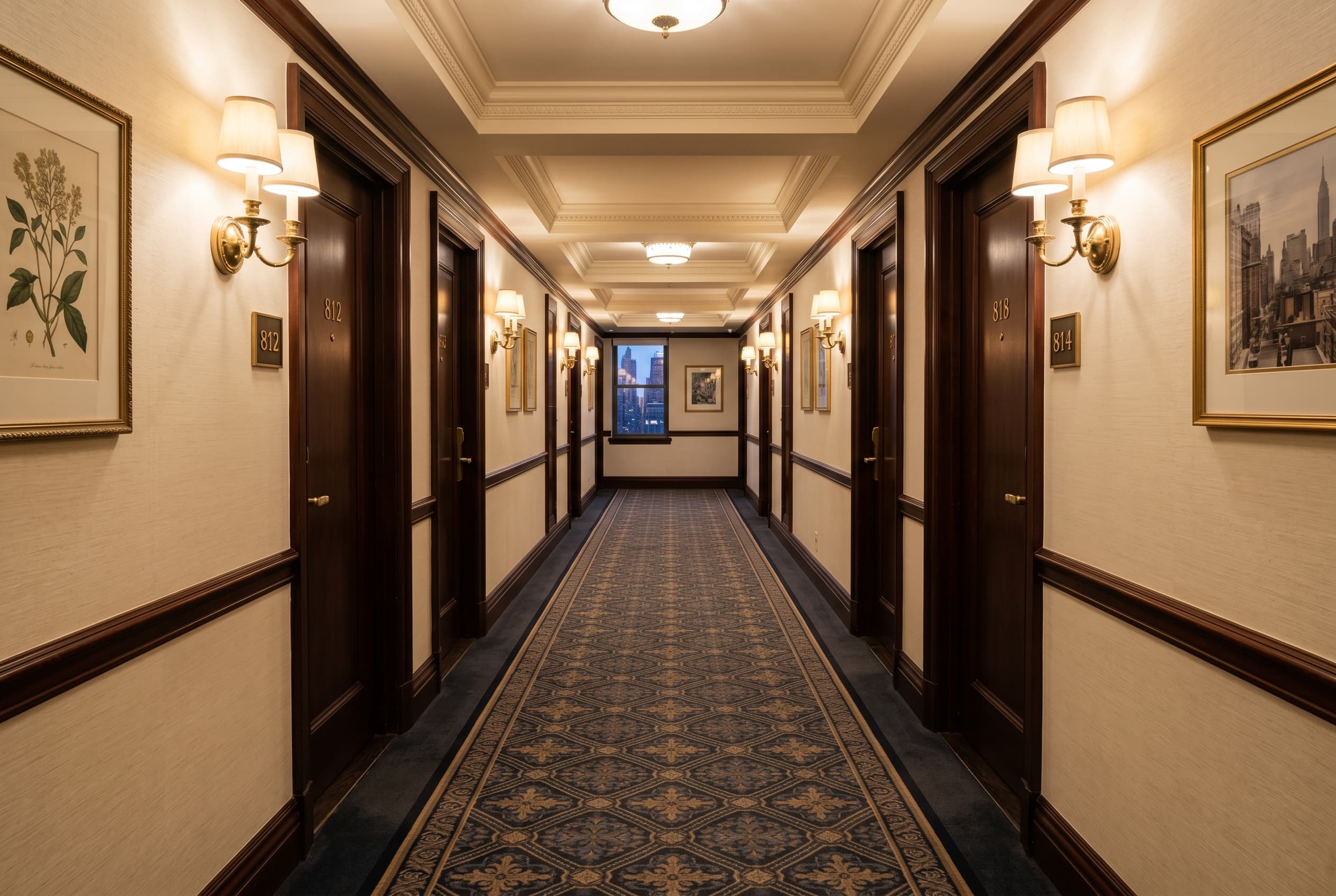
Stamford's hospitality market does not move like a Sunbelt boomtown, and that difference matters for how you plan procurement. As a corporate satellite of New York within Fairfield County, Stamford carries a base of demand tied directly to headquarters relocations and regional office activity, layered with a harbor-district redevelopment pipeline that keeps producing new hotel and mixed-use hospitality projects. The projects that come through this market tend to split between ground-up harbor-district builds and renovations of older downtown and interstate-corridor properties, which changes the procurement conversation depending on which category your project falls into. If you are opening a hotel near the waterfront or refreshing a property along the I-95 corridor, the challenge is not finding furniture, it is locking in specifications and lead times against a construction schedule with little room to slip.
Why FF&E Procurement Looks Different Here
Ground-up projects in the harbor district compete against each other on design quality, since several new hospitality and mixed-use developments have opened in close proximity over recent years. That competitive pressure means FF&E specifications for new-build properties in Stamford tend to run closer to a big-city standard than what you would spec for a similarly sized market elsewhere in Connecticut. Procurement teams need to plan for a design review process that may go through multiple rounds before finishes are locked.

Renovation projects, whether downtown or along the interstate corridor, run on a different clock entirely. These are almost always occupied-building projects, which means procurement has to account for phased delivery, limited storage on site, and installation windows that avoid disrupting current guests. A supplier who has not worked in occupied hotel environments before will underestimate how much coordination that requires compared to a ground-up build with a clean site.
Building a Procurement Timeline That Works
Standard lead times from contract furniture manufacturers run 10 to 16 weeks domestically once specifications are finalized, longer for imported product once shipping and customs are factored in. Deliveries into the New York metro region, which Stamford falls within, also carry congestion and dock-scheduling considerations that a supplier unfamiliar with the area will not plan for accurately. Build your procurement schedule backward from your opening or reopening date, and add buffer for design review rounds if your project involves multiple stakeholders or an ownership group managing several properties at once.
Your FF&E schedule should separate categories by lead time and criticality. Nightstands and other casegoods often move faster through production than fully custom upholstered pieces. Lounge chairs and other public-space seating frequently carry the longest lead times if custom fabric or finish work is involved, so lock those specs first.

Coordinating Across the Project Team
FF&E procurement in Stamford frequently involves a design team based in New York, given the market's proximity and the number of hospitality projects that share ownership or design resources across both markets. That adds a layer of coordination, since your furniture supplier needs to work smoothly with a design firm that may not be based locally and may be managing multiple projects in different metros at once.
A strong FF&E partner tracks your procurement schedule against the broader construction timeline, flags conflicts early, and coordinates delivery sequencing so installation crews are not waiting on furniture that missed its production window. Headboards and other guest room casegoods should be sequenced to arrive alongside soft goods rather than staggered across multiple deliveries that complicate installation.
Getting Started
When your specifications are close to final, request a quote with your item list, quantities, finishes, delivery zip code, and target dates so your procurement team gets pricing and lead times that reflect the real project rather than a rough estimate.