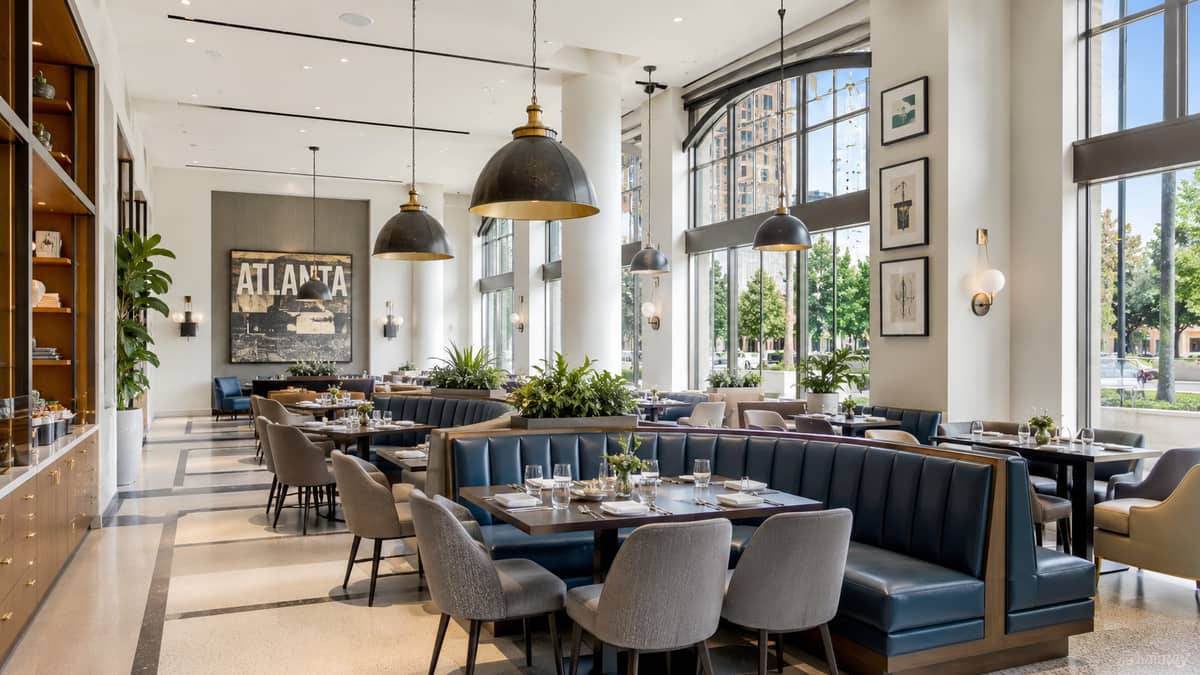
Rapid City sits at the center of a hospitality market that punches above what its size would suggest, because it functions as the gateway city for Black Hills and Mount Rushmore tourism as well as the commercial hub for western South Dakota. The Monument, the city's convention and event campus downtown, keeps a steady stream of rodeos, powwows, and trade shows moving through town, and that demand fills hotel rooms across downtown and the interstate corridor. If you are developing or refreshing a property here, the procurement challenge is not finding furniture, it is locking in specifications, managing lead times from suppliers that are rarely local, and coordinating delivery against a construction schedule that will not wait for the summer season.
What FF&E Actually Covers
FF&E stands for furniture, fixtures, and equipment. In a hotel context, that is your guestroom beds, nightstands, desks, and chairs. It is your lobby lounge seating, the banquettes in your restaurant, bar stools at your lounge, and decorative lighting throughout public spaces. In a restaurant-only project, it covers dining tables, all seating, host stands, and any fixed booth or banquette construction procured through the furniture budget rather than the general contractor.

What FF&E does not cover is OS&E, operating supplies and equipment, which handles linens, dishware, and anything with a short replacement cycle. The distinction matters because FF&E is a capital expenditure managed by your development or ownership team, while OS&E is an operational cost. On a larger Rapid City project, a select-service hotel near the interstate or a downtown restaurant buildout, the FF&E budget can reach seven figures. Treating it like a procurement afterthought is how projects go sideways.
How the Rapid City Market Shapes Procurement Timelines
Rapid City operators are often surprised by how quickly the procurement clock runs, and the distance from major manufacturing centers makes that clock less forgiving than it is in larger metros. Contract furniture manufacturers, particularly those producing custom upholstered seating or branded casegoods, carry lead times of 14 to 22 weeks from confirmed purchase order to delivery. Custom work pushes those timelines further, and freight routing into western South Dakota adds days that a coastal or Sun Belt project would not have to plan around.
For a hotel near The Monument, a property near Main Street Square, or a restaurant buildout downtown, your procurement process needs to begin well before construction is complete. Specifications locked during design development, bids issued two to three weeks later, purchase orders placed no later than 20 to 22 weeks before your target delivery date, and delivery phased into the property zone by zone.
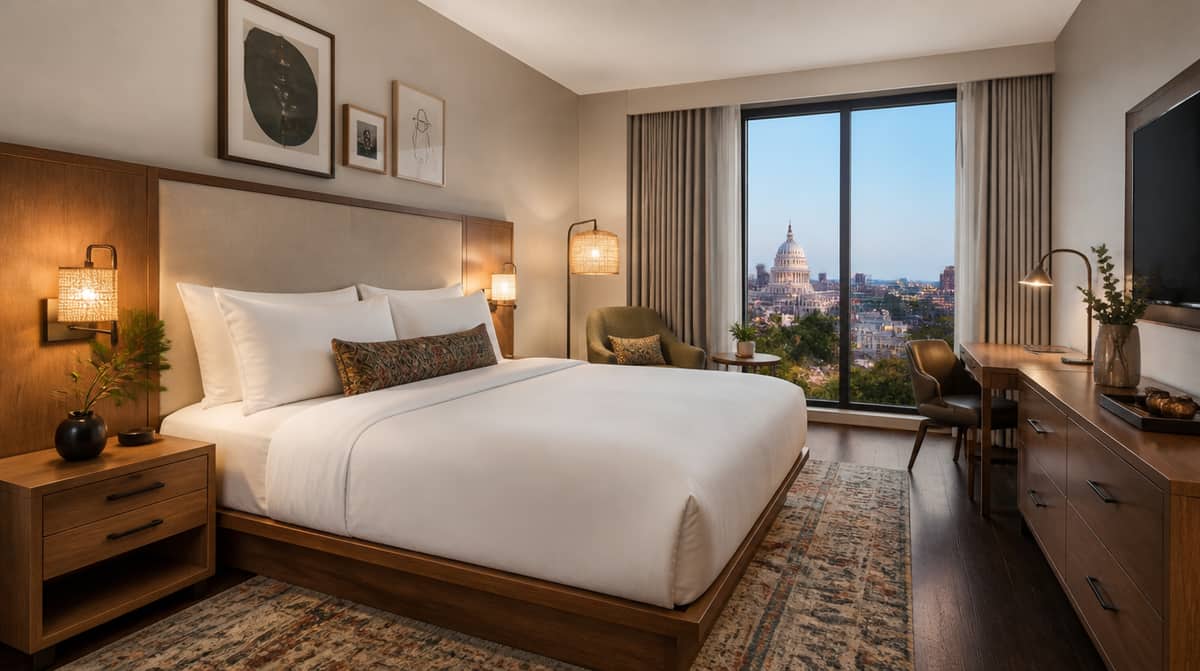
Rapid City's tourism calendar creates a real pressure point. If your opening date is tied to the summer Black Hills travel window or the annual rally season, a procurement delay does not just cost you days, it costs you the rate premium that came with that date. Winter weather adds its own procurement variable, since sustained cold and snow on the receiving end make freight delays more likely than in milder markets.
Working With Designers and Procurement Agents
Most Rapid City hospitality projects involve three parties: an interior designer setting the aesthetic vision, a procurement agent managing vendors and purchase orders, and you as the owner holding the budget and the deadline. Rapid City has a smaller pool of hospitality-focused interior design firms than a major metro, which means many active designers work across a wider western South Dakota and Black Hills territory. Bring your procurement agent in during schematic design, when specifications are still flexible enough to value engineer without damaging the concept. Request a project quote early enough that freight and installation costs are built into your budget from day one.