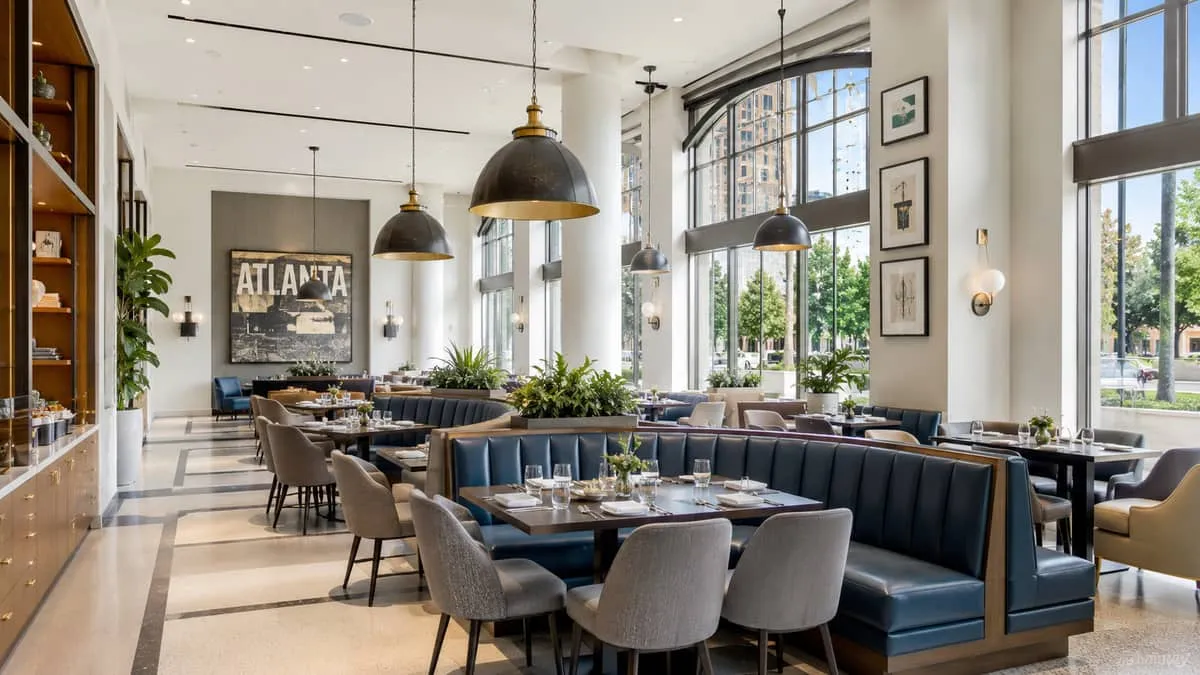
Knoxville's hospitality market is building at a pace that catches some operators off guard. Downtown development continues around the Knoxville Convention Center and World's Fair Park. Properties near the University of Tennessee campus keep adding rooms to absorb game day demand. Market Square and the Old City have reset the standard for what a design-forward restaurant concept looks like in this city. If you are developing or refreshing a property here, the procurement challenge is not finding furniture, it is locking in specifications, managing lead times, and coordinating delivery against a construction schedule that will not wait for you.
What FF&E Covers on a Knoxville Project
FF&E stands for furniture, fixtures, and equipment. In a hotel context, that is your guestroom beds, nightstands, desks, and chairs. It is your lobby lounge seating, the banquettes in your restaurant, bar stools at your rooftop bar, and decorative lighting fixtures throughout public spaces. In a restaurant-only project, it covers dining tables, all seating, host stands, and any fixed booth or banquette construction procured through the furniture budget rather than the general contractor.
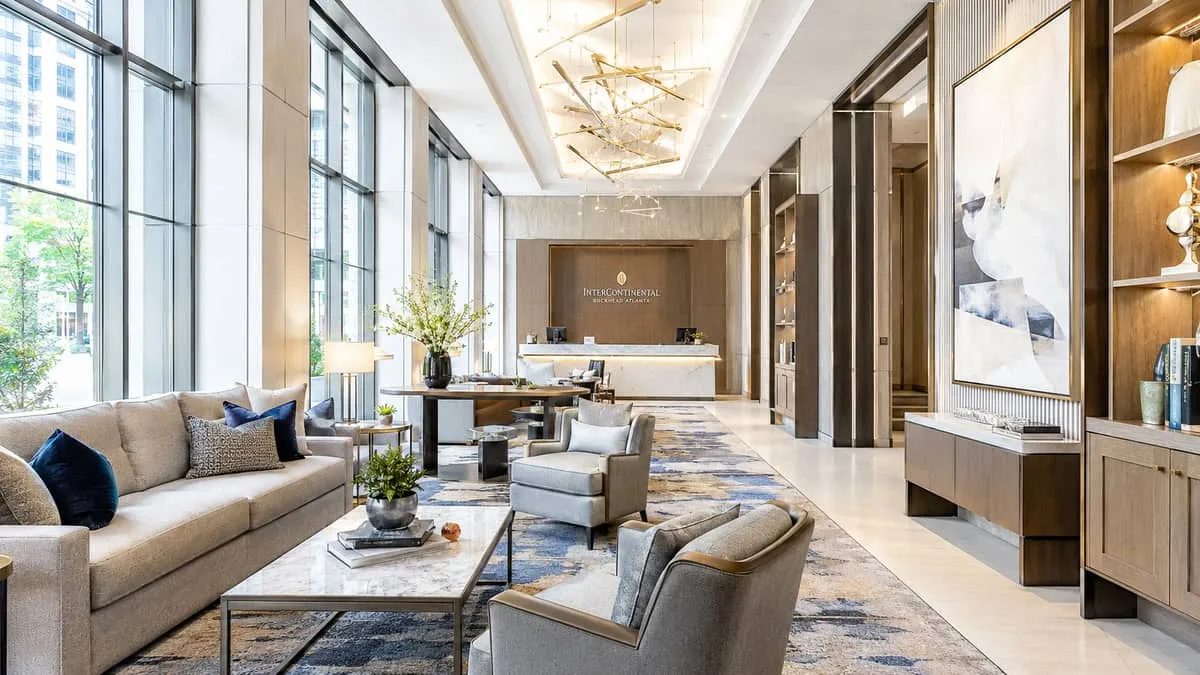
What FF&E does not cover is OS&E, operating supplies and equipment. That category handles linens, dishware, glassware, kitchen smallwares, and anything with a short replacement cycle. The line matters because FF&E is a capital expenditure managed by your development or ownership team, while OS&E is an operational cost managed by whoever is running the property. Get your FF&E scope defined in writing before you engage any vendors so your interior designer, procurement agent, and general contractor stay aligned.
How the Knoxville Market Shapes Procurement Timelines
Knoxville hospitality operators are often surprised by how quickly the procurement clock runs. Contract furniture manufacturers, particularly those producing custom upholstered seating or branded casegoods, carry lead times of 14 to 22 weeks from confirmed purchase order to delivery. Custom work, distinctive pieces that reflect a downtown or near-campus property's design identity rather than generic catalog options, pushes those timelines to 28 weeks or beyond.
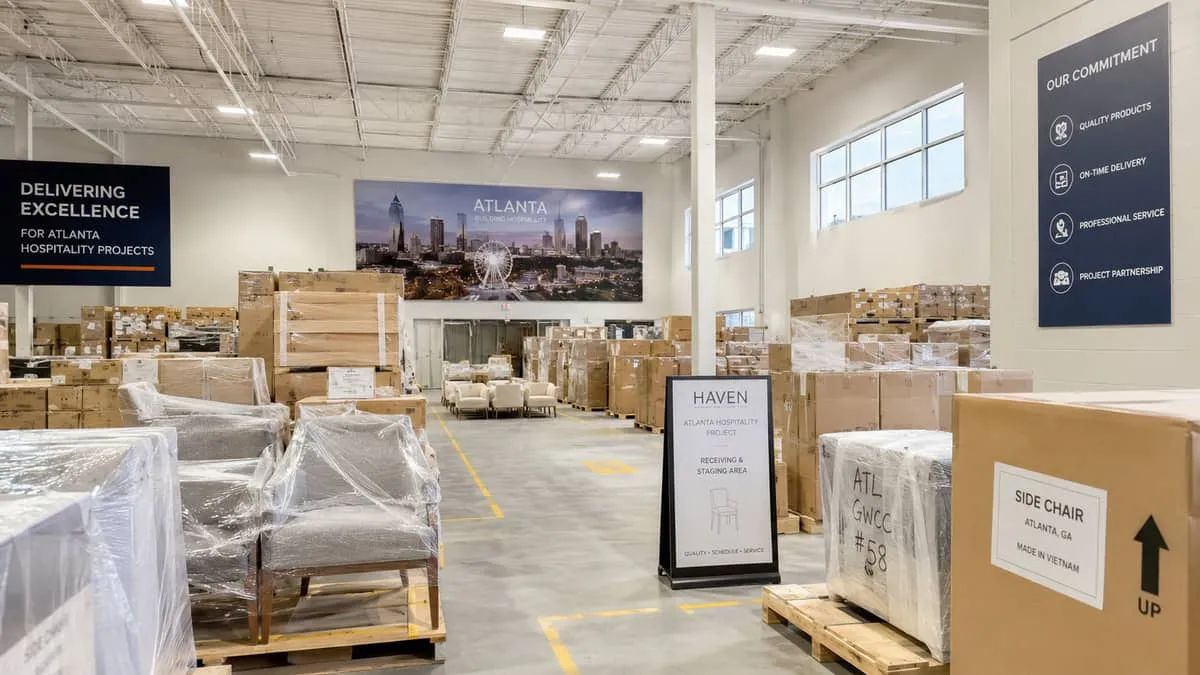
For a near-campus property targeting a season-opening deadline, or a downtown property timing a reopening around a convention booking, those numbers matter precisely. Operators who wait until permits are approved or construction starts to think about FF&E procurement consistently end up choosing between two bad options: buy off the shelf and accept pieces that do not match the design intent, or miss the opening target and eat the revenue impact.
Knoxville's football calendar creates an additional pressure point. When Neyland Stadium fills for a home weekend, hotel room demand spikes sharply across the metro. If your opening date is tied to a season window, a procurement delay does not just cost you days, it costs you the rate premium that came with that date. Outdoor spaces along the riverfront carry their own timeline considerations, and outdoor contract furniture often has its own production queue separate from interior FF&E, so factor that into your schedule separately.
Working With Designers and Procurement Agents
Most Knoxville hospitality projects involve three parties: an interior designer setting the aesthetic vision, a procurement agent managing vendors and purchase orders, and you as the owner holding the budget and the deadline. The dynamic between those three parties determines whether your project opens on time or spends its final weeks in crisis mode.
Knoxville has a growing base of interior design firms with real hospitality experience, particularly those working on downtown adaptive reuse and near-campus builds. Many have established relationships with contract furniture reps covering the Southeast region, and that network matters when it comes to pulling lead time estimates and flagging substitution options before you formally go to bid.
The most consistent mistake in Knoxville projects is engaging the procurement agent too late. If you wait until design is fully resolved before asking about pricing and lead times, you will be redesigning pieces under time pressure and substituting product at the last minute. Bring your procurement agent in during schematic design, when specifications are still flexible enough to value-engineer without damaging the concept.
What Your Budget Should Account For
FF&E budgets for Knoxville hospitality projects vary by property tier and design complexity. Several line items reliably catch operators off guard. Freight from domestic contract furniture manufacturers adds 8 to 12 percent on top of product cost. White-glove delivery and installation, often contracted separately from the furniture purchase itself, runs another 5 to 8 percent. Storage costs come into play when your furniture is ready before your construction site is, which happens more often than project schedules acknowledge.
Custom and semi-custom work carries premium pricing and longer lead times, but it is increasingly standard on Knoxville's higher-profile downtown projects. Build a contingency of at least 10 percent into your FF&E budget from the start so field changes late in the process do not force procurement decisions under financial pressure.
The properties that open on time and on budget in Knoxville are the ones that started procurement early, respected lead times, and kept the designer and procurement agent in constant communication throughout the process. Request a quote once your product list and delivery window are defined so your supplier can confirm lead times against your calendar.