Fayetteville sits at the southern end of the Northwest Arkansas metro, a region built around a concentration of major corporate headquarters and their extended supplier and vendor networks, which keeps hotel demand steady well outside the University of Arkansas game-day calendar. Downtown Fayetteville and the Dickson Street corridor have built one of the more active restaurant and bar scenes in the Ozarks. If you are developing or refreshing a property here, the procurement challenge is not finding furniture, it is locking in specifications, managing lead times from suppliers that are rarely local, and coordinating delivery against a construction schedule that will not wait for you.
What FF&E Actually Covers (and What It Does Not)
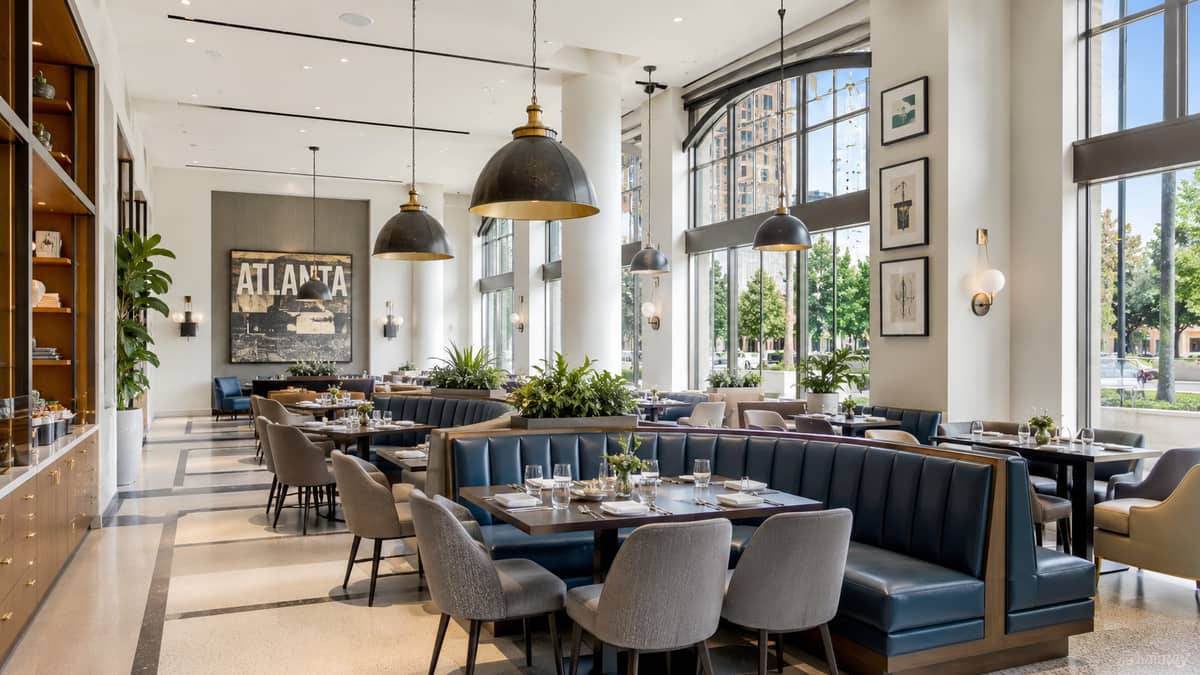
FF&E stands for furniture, fixtures, and equipment. In a hotel context, that is your guestroom beds, nightstands, desks, and chairs. It is your lobby lounge seating, the banquettes in your restaurant, bar stools at your taproom, and decorative lighting fixtures throughout public spaces. In a restaurant-only project, it covers dining tables, all seating, host stands, and any fixed booth or banquette construction procured through the furniture budget rather than the general contractor.
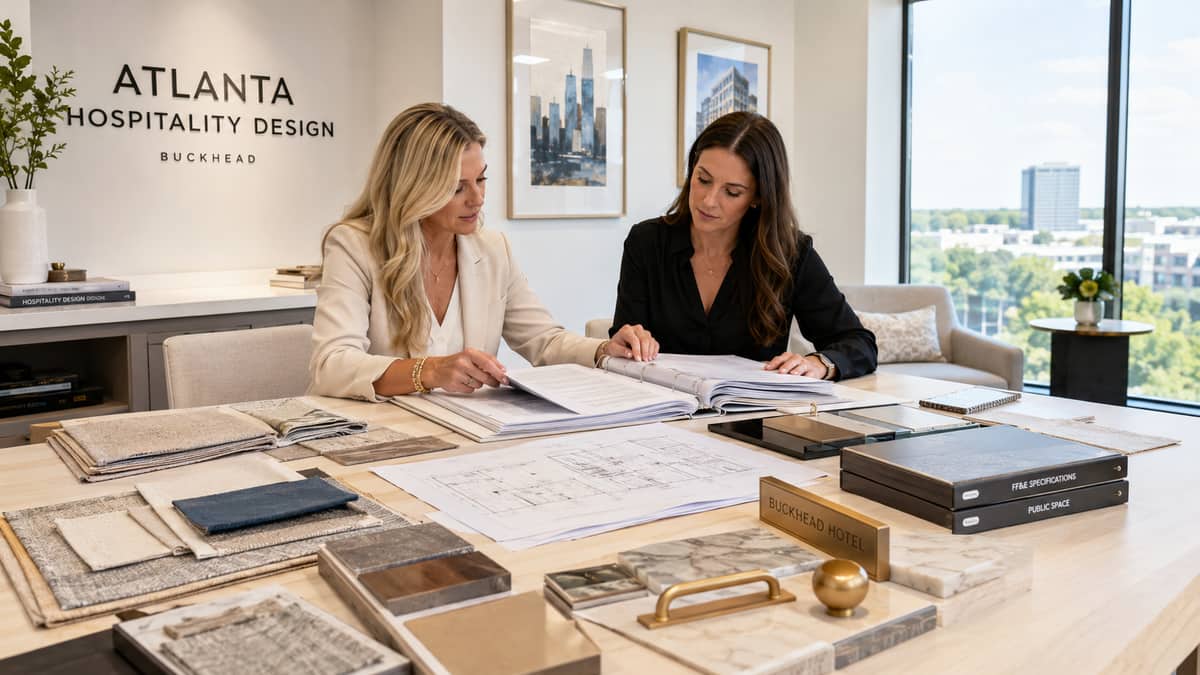
Fixtures and equipment sit outside the furniture budget in most contracts, but the line gets blurry fast on built-in banquette seating, custom bar tops, and millwork that a designer specs as part of the same visual program as your loose furniture. Clarify scope early with your general contractor and interior designer so nothing falls through the gap between trades.
Building Your Procurement Timeline Around Fayetteville's Calendar
The properties that struggle most with FF&E timing in Fayetteville are the ones that treat furniture procurement as a task for late in the construction schedule rather than a parallel workstream from day one. Standard lead times for domestic contract furniture run 8 to 14 weeks. Custom finishes, COM fabric programs, and any non-catalog specification add real time on top of that baseline, and freight into Northwest Arkansas from major manufacturing hubs adds transit time a coastal metro would not face.
If your opening or renovation date is tied to the fall football season, work backward from kickoff and build in enough buffer to absorb both manufacturing lead time and any shipping delays. Properties near campus in particular cannot afford to open mid-season with placeholder furniture, since that first impression with a stadium full of visiting fans and alumni matters more here than in a market without a college sports calendar driving repeat visitation.
Working With a Procurement Agent or Design Team
Most Fayetteville hospitality projects run FF&E through an interior designer, an owner's rep, or a dedicated procurement agent, sometimes based outside Arkansas. A supplier who has worked with regional design and PM firms before is better positioned to keep your project on spec and on schedule, since communication breakdowns between the supplier, the design team, and the GC are how projects lose weeks.
Build a contingency of at least 10 percent into your FF&E budget from the start. Field changes late in the process are not unusual, and having that buffer lets you absorb surprises without making procurement decisions under financial duress.
The properties that open on time and on budget in Fayetteville are the ones that started procurement early, respected lead times that account for the region's distance from manufacturing centers, and kept the designer and procurement agent in constant communication throughout the process. Request a quote to get your procurement timeline started.