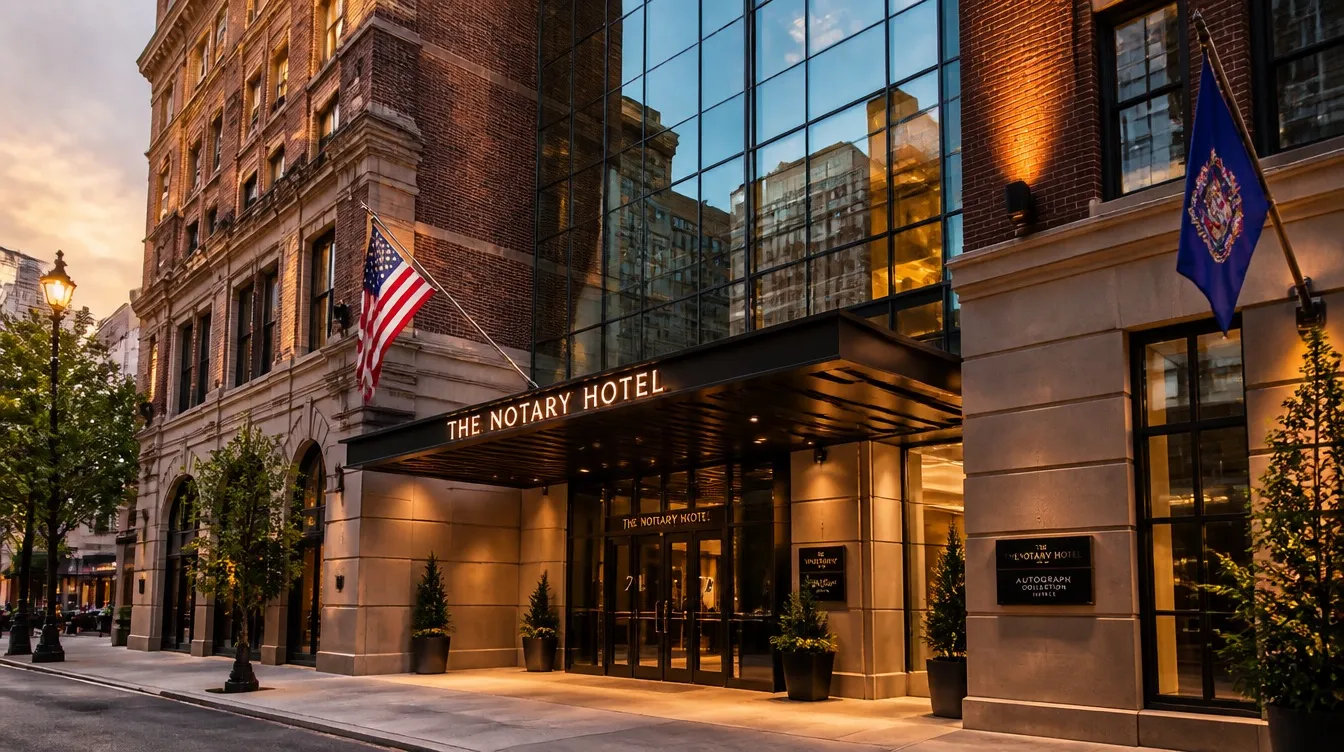
Philadelphia is one of the most underrated commercial furniture markets in the United States, and the operators and developers who work here regularly know it. The city's hospitality sector is growing faster than most national narratives acknowledge Fishtown boutique hotel development is accelerating, the Pennsylvania Convention Center drives consistent year-round volume from pharmaceutical and healthcare conferences, and historic building renovation projects across Old City and Center City are creating FF&E complexity that requires a supplier with genuine knowledge of what that environment demands. Finding a commercial furniture supplier Philadelphia businesses can depend on is not just a sourcing task. It is a partnership decision that affects every opening date, renovation timeline, and capital budget in your portfolio.
The Philadelphia Commercial Furniture Landscape
Commercial furniture in Philadelphia spans a wider range of end-use contexts than any single-category description captures. Hotel guestrooms in Center City boutiques. Restaurant dining rooms in Fishtown that have to photograph beautifully and survive a packed Saturday service. Banquet and event spaces connected to the Pennsylvania Convention Center corridor that flip from pharmaceutical conference format to gala dinner to academic breakout session inside 48 hours. Office and coworking environments serving Comcast NBCUniversal and the broader corporate headquarters cluster. Healthcare and waiting room furniture for the Penn Medicine and Jefferson Health systems. Each of these contexts has specific durability standards, lead-time requirements, and design parameters.
A supplier who covers only hospitality, or only office furniture, or only healthcare is not the partner for a Philadelphia real estate developer or hotel management company running multiple property types in the same portfolio. The most useful commercial furniture partnerships in this market are with suppliers who understand the full commercial spectrum and can translate project-specific requirements into accurate specifications and delivery commitments.
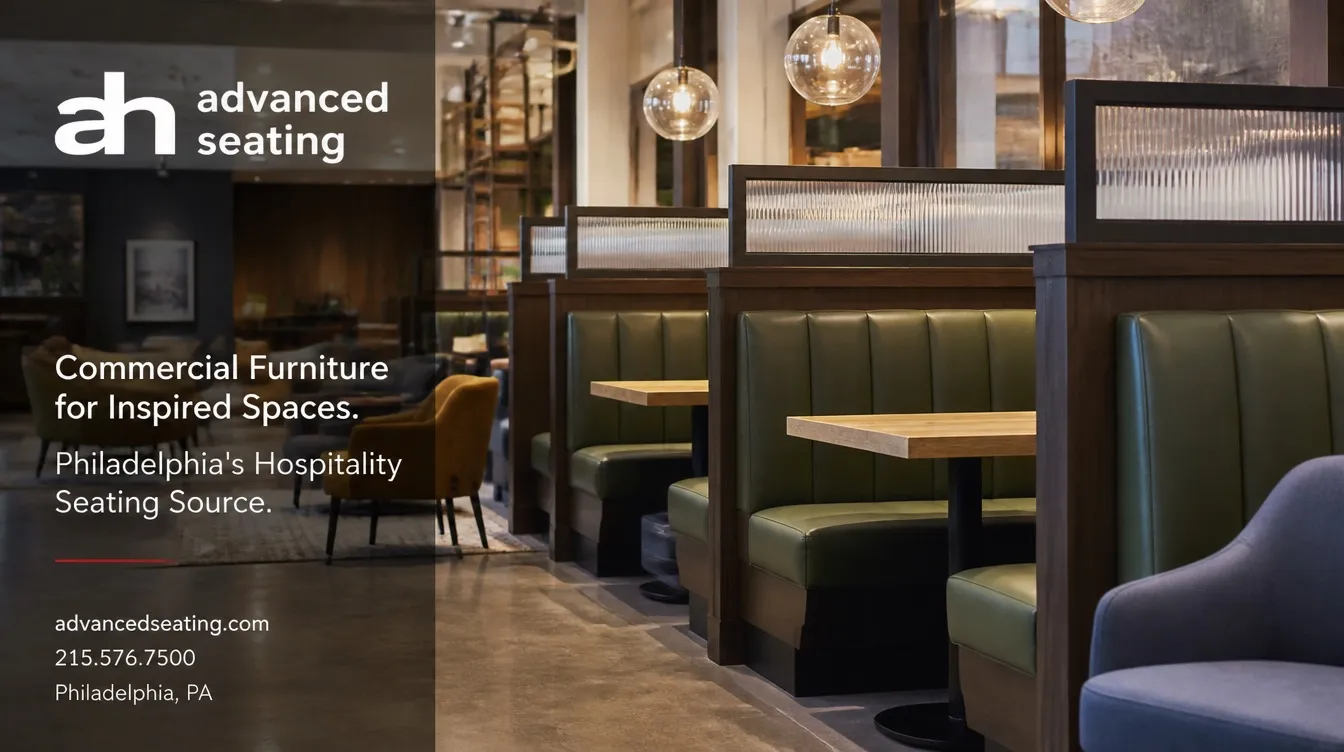
What all Philadelphia commercial furniture contexts share: the requirement for contract-grade construction. ANSI/BIFMA standards for seating. Solid-frame case goods. Upholstery fabric rated for the actual use conditions of the space not the optimistic use conditions of a showroom presentation. In a market with Philadelphia's traffic volume, historic building constraints, and demanding guest and client profile, furniture that looks adequate on paper but fails in the field creates costs that dwarf any upfront price difference.
What Sets Philadelphia Apart From Other Major Markets
Philadelphia's commercial furniture market has characteristics that make it genuinely different from New York, Boston, or Washington DC in ways that affect supplier selection and project planning. The city's historic building stock is dense and active Old City alone has more buildings in active commercial use predating 1900 than most entire American cities combined. Furniture delivery into those buildings requires suppliers who understand hand-carry logistics, narrow doorway dimension constraints, and the planning required to navigate service access that was not designed for contemporary freight operations.
Philadelphia's design identity is also more specific than it is sometimes given credit for. The historic contemporary aesthetic that defines the city's best new hospitality and commercial interiors warm red brick references, dark iron and aged brass hardware, tobacco leather and dark navy upholstery, deep walnut and mahogany wood tones, Pennsylvania Dutch craft heritage interpreted for modern commercial use is not a generic mid-Atlantic neutral. A supplier who tries to fulfill a Philadelphia project with the same catalog that works for a Nashville hotel or a Miami restaurant will miss the mark. Old City properties lean colonial-historic. Fishtown and South Philly operations lean industrial-craft. Rittenhouse Square demands upscale contemporary. These are distinct markets within a single city.
The Pennsylvania Convention Center's pharmaceutical and healthcare conference calendar creates procurement timing constraints unlike any other single facility in the region. Properties adjacent to or dependent on convention center demand need furniture that is ready before the conference calendar locks in every viable renovation window. That requires lead-time discipline and a supplier who can commit to production schedules and hold to them.
Evaluating a Commercial Furniture Supplier for Philadelphia Projects
When evaluating a commercial furniture supplier for a Philadelphia project, four questions separate capable partners from vendors who will create problems at the wrong moment.
First: Do they have experience delivering into historic buildings? Not awareness that historic buildings are different actual experience with hand-carry logistics, dimensional surveys before purchase, and freight planning in constrained access environments. Ask for references from Old City or Center City projects.
Second: Can they manage phased delivery? Most Philadelphia hotel renovations happen in rotation, with floors going offline sequentially while the property stays operational. A supplier who can only ship full container loads on a single delivery schedule is not configured for the most common Philadelphia renovation pattern.
Third: Do they understand contract-grade specifications? Not whether they sell commercial furniture whether they can articulate the difference between 1.8 PCF and 2.5 PCF foam density, between 30,000 and 100,000 double-rub fabric ratings, between an ANSI/BIFMA-tested frame and a frame that has not been tested. Suppliers who cannot have that conversation fluently are selling design, not durability.
Fourth: What are their actual lead times, and do they hold them? Standard commercial lead times for upholstered pieces run 8 to 14 weeks. Suppliers who promise 4 to 6 weeks on custom upholstery are making a commitment that production realities may not support. Get the lead-time commitment in writing and verify it against the project timeline before placing the purchase order.
Philadelphia's Growing Market and the Supplier Requirement It Creates
Fishtown's national restaurant and cultural reputation is driving a wave of boutique hotel development that shows no sign of slowing. Old City continues to attract historic building conversions at a pace that creates consistent FF&E project flow. The Convention Center's pharmaceutical and healthcare conference program is expanding, not contracting, which means demand pressure on Center City hotels will increase over the next several years. Philadelphia is not a market to approach with generic catalog solutions.
The commercial furniture supplier Philadelphia's growth requires is one that understands the city's material identity, has real experience with its historic building delivery constraints, and can commit to the production and logistics discipline that the convention calendar demands.
We quote commercial furniture for Philadelphia operators against their own layouts and order sizes rather than a generic sheet. Request a quote and we will put together pricing for your property.