Madison's boutique hotel segment has grown up around a genuinely distinctive setting. The city sits on an isthmus between two lakes, with the Wisconsin State Capitol anchoring the skyline and a walkable corridor running from the Capitol Square down State Street to the university campus. That geography has made independent and design-forward hotels a natural fit here, properties that lean into local character rather than competing on room count with the big-box chains near the airport. If you are sourcing furniture for a boutique hotel in Madison, the bar is different from a standard limited-service build, and your supplier needs to understand why.
What Makes a Boutique Property Different in This Market
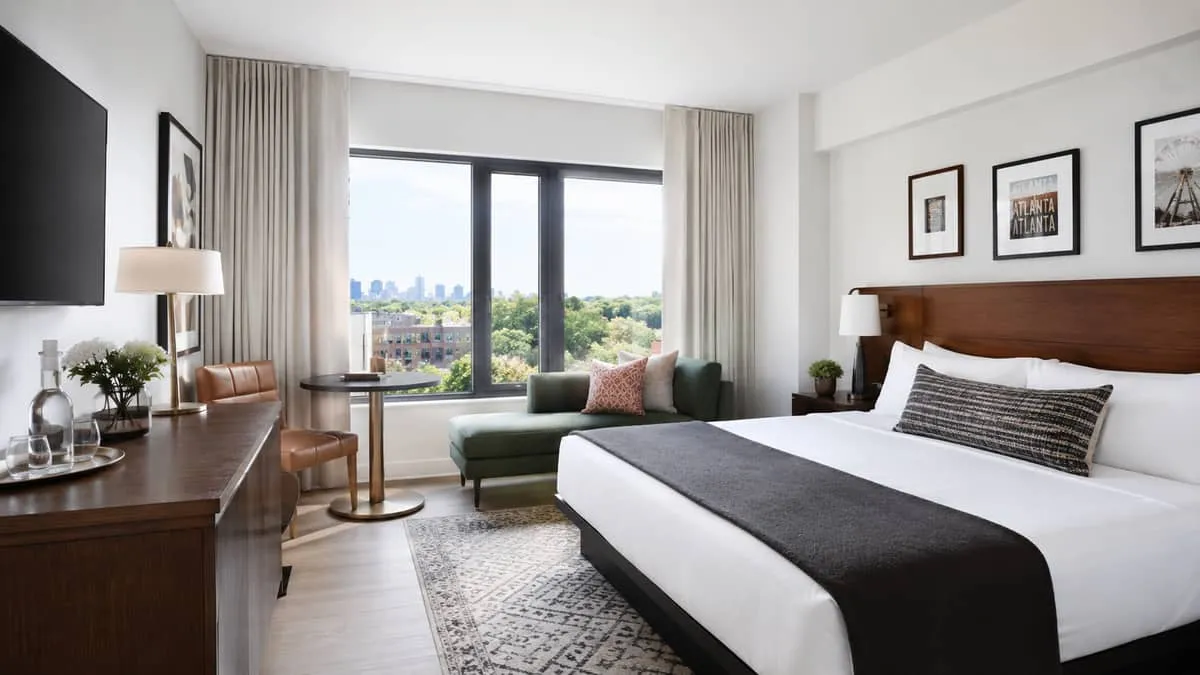
A boutique hotel sells atmosphere as much as it sells a bed. Guests choosing an independent property on the Capitol Square or along the near-downtown corridor are paying a premium for design that feels considered, locally grounded, and distinct from a national chain's template. That means your furniture program cannot lean on catalog basics. Every piece, from lobby seating to guest room casegoods, needs to support a design narrative while still holding up to daily commercial use.
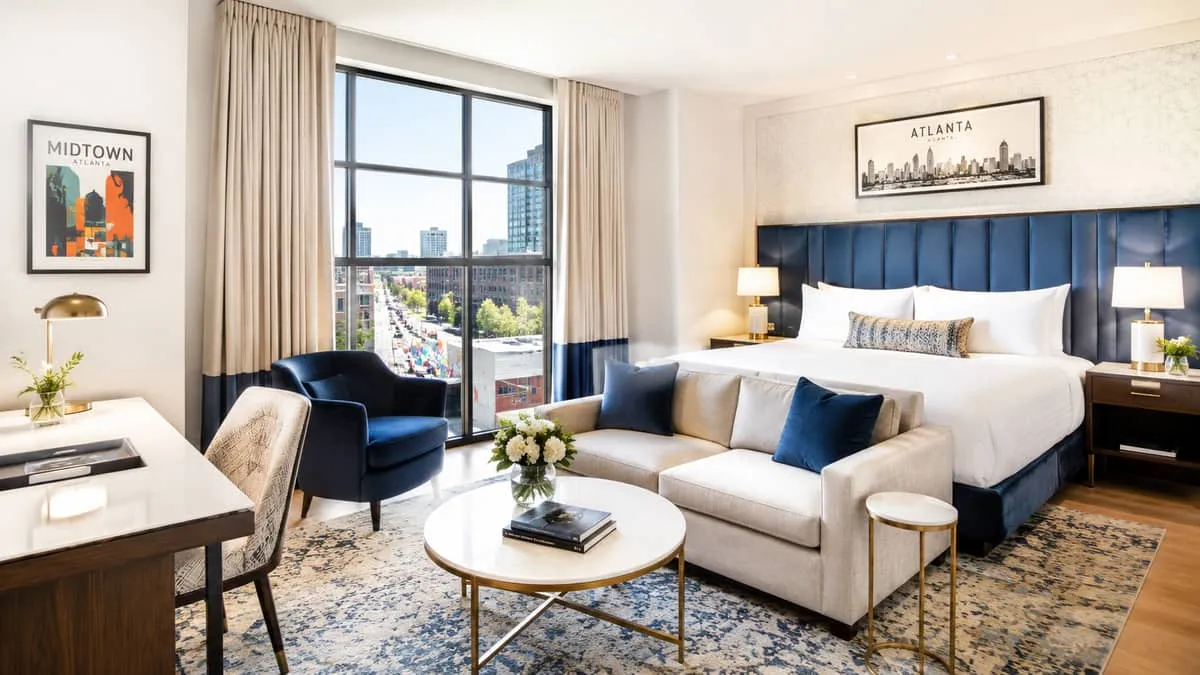
Madison's boutique guest mix skews toward visiting parents and university-affiliated travelers, state government consultants and lobbyists working the Capitol during session, and leisure travelers drawn to the lakes and the downtown food scene. That is a more design-literate audience than a typical roadside limited-service customer, and they notice when furniture looks generic or feels worn. A chair that photographs well but falls apart after eight months of daily use is worse than no design statement at all, because the property spent the design budget without getting the durability that makes the investment worthwhile.
Balancing Design Intent With Contract Durability
The mistake many boutique projects make is treating "boutique" and "contract-grade" as if they are in tension. They are not. The best boutique hotel furniture programs achieve a distinctive look precisely because they start from contract-grade construction and layer design on top of it, not the other way around.
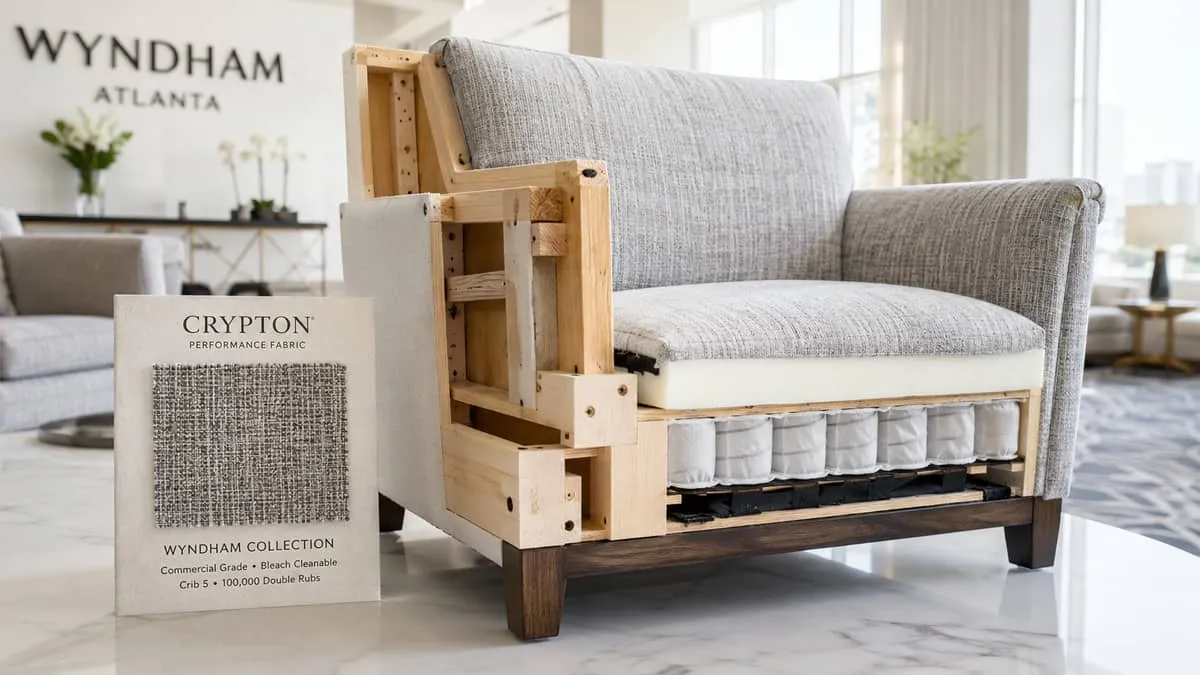
Custom Own Material programs let you specify a fabric or finish that fits your design concept while keeping the underlying frame, foam, and joinery built to BIFMA-level commercial standards. A supplier who only offers "design" furniture without commercial certification is selling you a look, not a product that will survive daily housekeeping turns, guest wear, and the freeze-thaw stress that Wisconsin's climate puts on any furniture near an entry, a patio, or an uninsulated storage area during transit.
For a Madison property near the Capitol Square, where foot traffic includes both leisure guests and business travelers moving through the lobby throughout the day, lounge seating needs to hold its shape and its finish for years, not months. Ask your supplier for foam density specs, frame material documentation, and fabric abrasion ratings even when the piece is a custom design. Boutique does not mean unverified.
Sourcing for a Distinctive Look Without Sacrificing Lead Time
Custom and semi-custom furniture programs carry longer lead times than standard contract lines, typically 14 to 20 weeks depending on the complexity of the finish work and whether COM fabric needs to be sourced separately. For a Madison boutique project targeting a spring opening ahead of graduation season or a fall opening before football weekends drive demand near campus, that timeline needs to be locked in early.
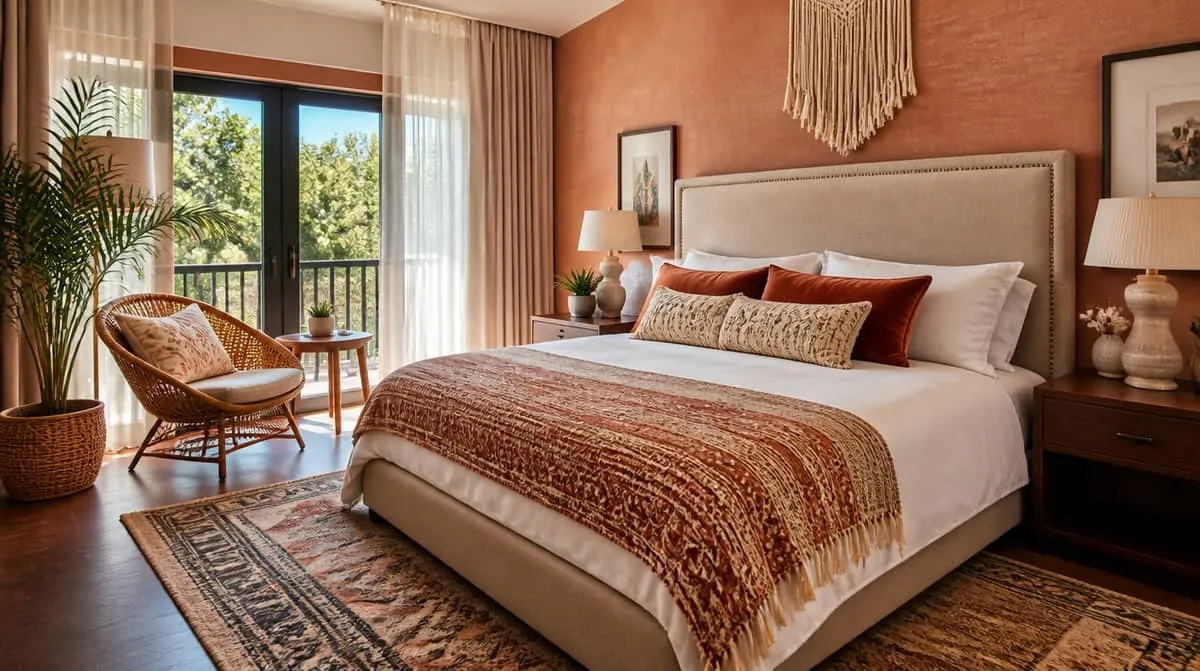
Work with a supplier who can show you physical finish and fabric samples early in the process, not just renderings. Boutique design decisions live or die on how a fabric actually reads under your lobby lighting, and a supplier who can turn around real samples quickly keeps your design review moving instead of stalling out while ownership debates a swatch on a screen.
Evaluating a Boutique Hotel Furniture Supplier in Madison
Look for a supplier with a genuine design and hospitality contract background, not a generalist wholesaler adding a "boutique" line to their catalog. Ask to see completed independent hotel projects, ideally ones with a similar scale to yours, 40 to 100 rooms is typical for Madison's boutique segment, and ask how they handled custom fabric sourcing, finish matching across categories, and phased delivery.
Confirm the supplier can support your design team directly, not just take a purchase order. The best boutique furniture partners work alongside your interior designer from the concept phase, flagging where a design intent might create a durability or lead-time problem before it becomes an expensive mid-project change. That collaborative relationship, more than any single product line, is what separates a boutique hotel furniture supplier worth working with in Madison from one that just ships boxes.
The right partner treats your Madison property as what it is: a design statement that also has to survive years of daily commercial use in a market with genuine seasonal extremes. Evaluate suppliers on both halves of that equation, not just the one that looks good in a rendering.
Ready to spec a boutique property in Madison? Request a quote and a member of our team will follow up with next steps.
Related reading
- What is contract furniture
- Commercial furniture vs retail
- Hospitality furniture supplier guide
- Boutique hotel furniture: specifying a distinctive, durable look
- Hotel furniture supplier in Madison
- Hotel lobby furniture in Madison
- Boutique hotel lounge chairs
- Hotel sofas and loveseats
- Hotel headboards
- Commercial furniture in Wisconsin