Las Cruces does not have a single hospitality identity, it has a few layered on top of each other. Near historic Mesilla, older adobe-style buildings and a walkable plaza district create an opening for boutique properties that lean into regional character, thick walls, warm tones, natural materials. Downtown and near the convention center, hotels serve a more conventional business and conference guest base tied to NMSU events and regional meetings. And running through both is a desert landscape, the Organ Mountains rising just east of the city, that shapes what guests expect visually even in a more contemporary property. If you are sourcing boutique hotel furniture Las Cruces style, the challenge is matching that range: contract grade construction, smaller order quantities, and a look that feels designed rather than pulled from a big-box catalog.
Why Las Cruces's Guest Mix Changes the Durability Math
NMSU commencement weekends, home football games, and regional conferences at the convention center push occupancy hard across the city, not just the properties closest to campus. A boutique hotel that normally runs a quieter, low-key week will absorb overflow guests during those stretches, and those guests are not treating the furniture gently after a long day of events.
Furniture that holds up fine during a quiet Tuesday night faces a completely different stress test during graduation weekend or a full convention center booking, when lobbies and lounges stay busy from early morning to last call. The lounge chairs in the lobby, the upholstered pieces near any bar area, the guestroom seating, all of it needs to be specified for heavy commercial use from day one. Furniture marketed as hospitality style but built to residential standards does not survive that cycle.
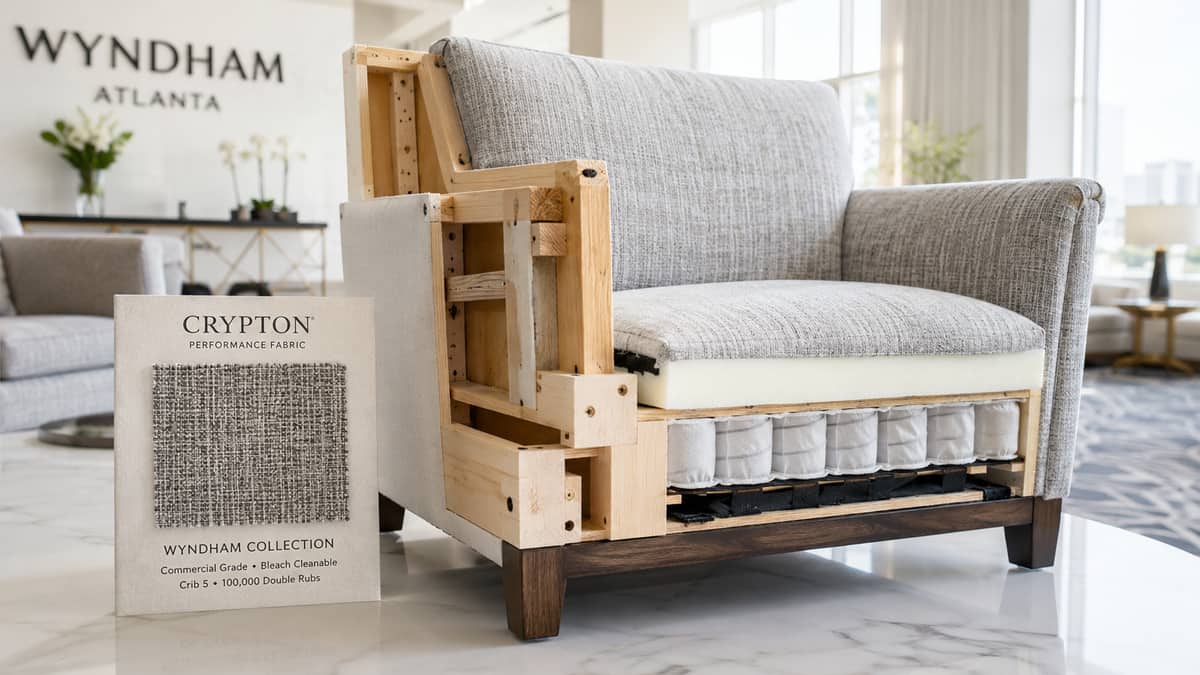
Contract grade means hardwood or engineered hardwood frames, upholstery rated well above baseline double rub counts in any high-traffic seating area, and joinery built to take repeated abuse from guests who are not thinking about the furniture at all. For boutique properties riding Las Cruces's event calendar, that is the baseline, not an upgrade.
Design Cohesion in a City Defined by Contrast
What separates a strong boutique property in Las Cruces from an average one is not any single piece, it is whether the room reads as designed rather than assembled. That comes down to locking a material palette before sourcing starts, not adjusting it piece by piece as approvals come back.
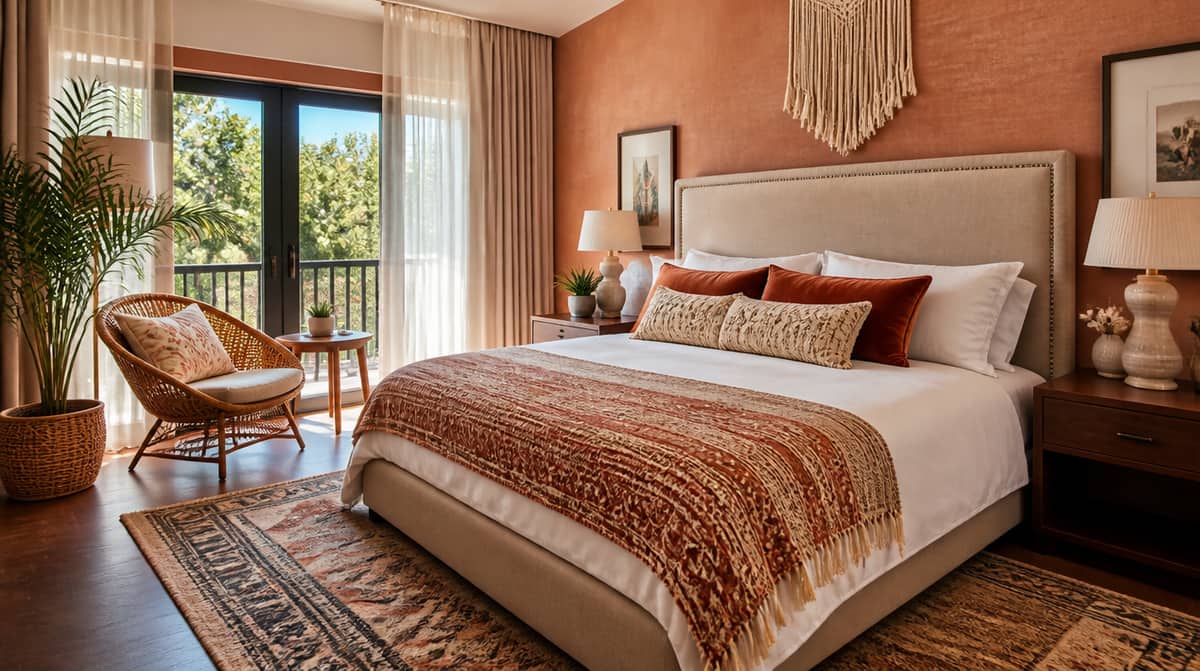
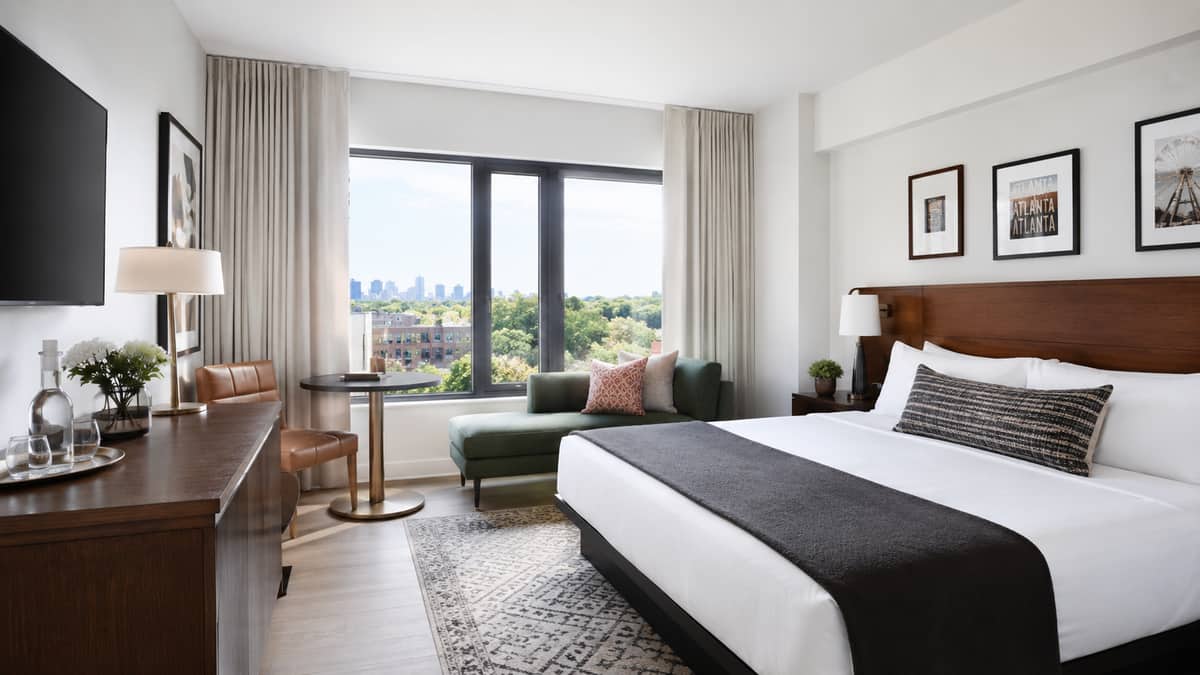
A property closer to historic Mesilla can lean into the adobe-and-desert vocabulary of the district, warm wood tones, leather and wool-blend textiles, iron or dark metal accents that nod to the region without tipping into theme-park cliche. A property nearer downtown or the convention center serving business travelers needs something tighter and more polished, clean-lined case goods, durable performance fabric that still photographs well, matte black or warm brass metal accents instead of anything that reads as generic chrome.
The mistake is sourcing pieces one at a time because each looked good in a showroom photo, then discovering at install that nothing coheres. Pick two or three anchor finishes, one consistent wood or metal tone, and a tightly defined fabric range before a single purchase order goes out, and hold every subsequent decision to those constraints.
Working Around Minimums in a Smaller Market
Most large contract furniture manufacturers are built for volume. A 250-room order is comfortable territory. A 40-room boutique property near Mesilla ordering 30 lounge chairs and 20 desk chairs does not register on the radar of manufacturers tooled for national chain rollouts, and their minimums reflect it.
That is not a dead end, it is a filter that points you toward the right suppliers. The manufacturers worth working with in a market the size of Las Cruces are the ones built around independent hotels, boutique renovations, and restaurant groups rather than 300-key programs. Ask about minimum order requirements in writing before you build a full specification around a supplier who cannot actually deliver at your scale.
Southern New Mexico's furniture and design trade presence is thinner than a metro like Albuquerque or El Paso, which means most boutique properties in Las Cruces are sourcing through suppliers based outside the immediate area. That makes documentation even more important: commercial ratings, compliance certifications where applicable, and a track record delivering into hospitality projects of a similar size.
Planning Around Las Cruces's Renovation Cycle
Boutique properties near Mesilla and downtown refresh on a shorter cycle than owners expect at opening. Specify frames and case goods built to last through multiple upholstery cycles. Treat fabric as the variable you replace on a shorter rotation, not the frame underneath it. Require COM-ready construction on every upholstered piece so reupholstery later is straightforward rather than locked behind a proprietary fabric program.
Lead times on custom upholstery programs typically run 10 to 16 weeks. If you are targeting an opening ahead of a fall harvest season or a spring commencement date, place orders early enough to absorb both the manufacturing lead time and any shipping delays without compressing your install schedule.
Sourcing boutique hotel furniture in Las Cruces is a narrower problem than general commercial procurement, shaped by a compressed event calendar tied to NMSU and the convention center, and a design identity split between historic Mesilla character and a cleaner, contemporary downtown aesthetic. Getting the specification right before the order ships is the least expensive decision you will make on the project. Start with a quote once your material palette is locked.
Related reading
- Commercial furniture in New Mexico
- Hotel Furniture Supplier in Las Cruces, NM
- Hotel Renovation Furniture Las Cruces: Refresh Without Disrupting Operations
- What is contract furniture
- Commercial furniture vs retail
- Hospitality furniture supplier guide
- Boutique hotel lounge chairs
- Hotel sofas and loveseats