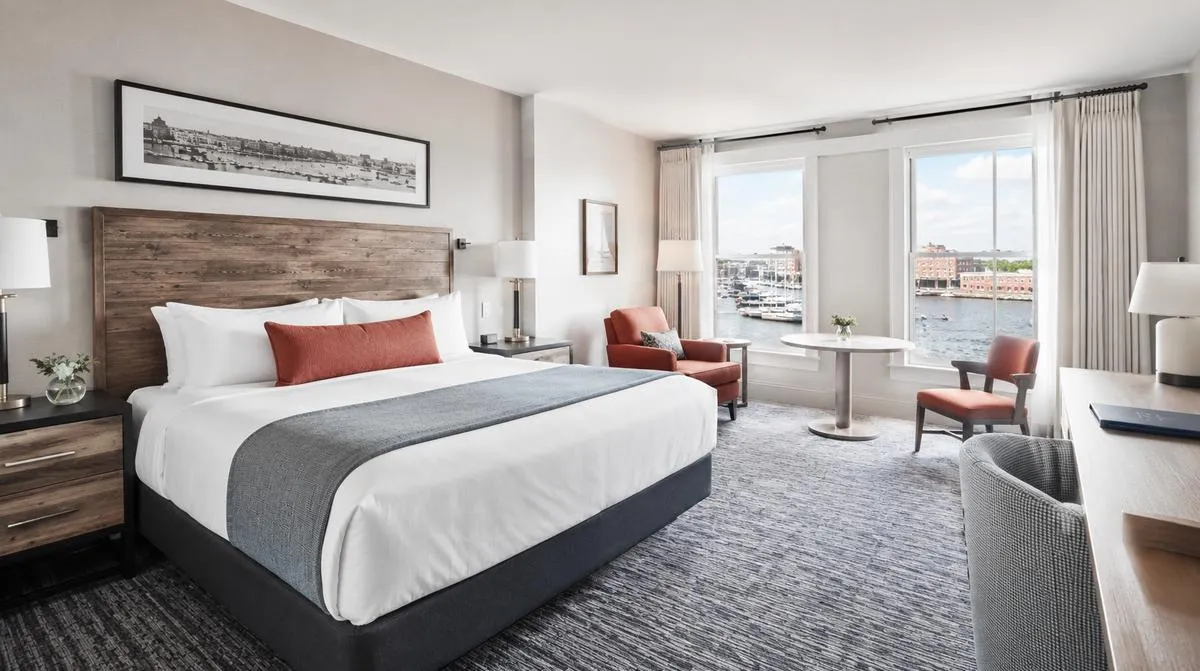
Fargo's boutique hotel market is smaller than the coastal cities that usually dominate this conversation, but it is not a simple one. You have downtown properties along Broadway and NP Avenue built into or around historic brick buildings, leaning on the restored theater district and the walkable restaurant scene for their identity. You have properties closer to NDSU and the Fargodome competing for a completely different guest: game-day families, recruiting visits, and the concert and trade show traffic that fills the arena calendar. And you have a growing set of independent properties positioning themselves against the interstate-exit chain hotels that have defined North Dakota hospitality for decades. Each of those contexts needs a different furniture answer. If you are sourcing boutique hotel furniture Fargo style, the core challenge holds across all of them: contract-grade construction, smaller order quantities, and an aesthetic that reads as intentional rather than pulled from a chain hotel catalog.
Why Fargo's Occupancy Swings Change the Durability Math
North Dakota State football drives some of the sharpest occupancy swings you will find in a market this size. A Bison home game, especially during a playoff run, fills every room within a ten-mile radius with fans who are not gentle with hotel furniture after a long tailgate. Add in the Fargodome's concert and trade show calendar and the Sanford Health medical conferences that bring specialists through downtown properties, and you have a hospitality market that alternates between quiet midweek stretches and full-occupancy weekends with very little in between.
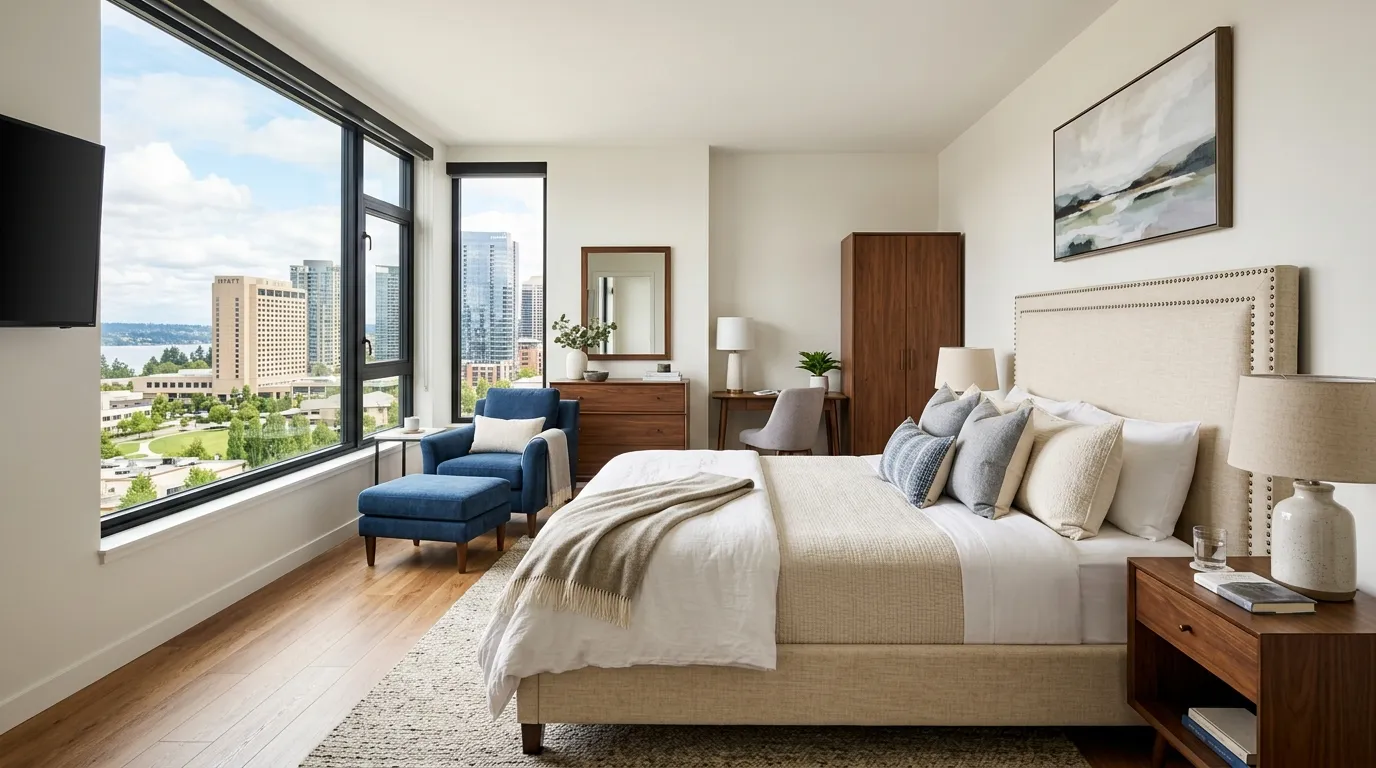
Furniture that holds up fine during a slow Tuesday in February faces a completely different stress test on a Bison playoff Saturday, when every lobby chair and guestroom seat is absorbing traffic from people who checked in at midnight and are not thinking about upholstery. The lounge chairs in the lobby, the seating in the bar area, the guestroom chairs, all of it needs to be specified for heavy commercial use from day one. Residential-grade furniture with hospitality styling layered on top fails fast under this kind of cycle. Frames loosen, joints crack, and fabric wears through at the seams well before the piece has earned out its cost.
Contract-grade construction means hardwood or engineered hardwood frames, upholstery rated above 30,000 double rubs in high-traffic seating, and joinery built to survive repeated hard use. For a boutique property riding Fargo's game-day and conference swings, that standard is the floor, not an upgrade.
Design Cohesion in a Downtown Built Around Revival
What separates a strong boutique property in Fargo from an average one is not any single piece of furniture. It is whether the room reads as designed, and that comes down to locking a material palette before sourcing begins rather than after.
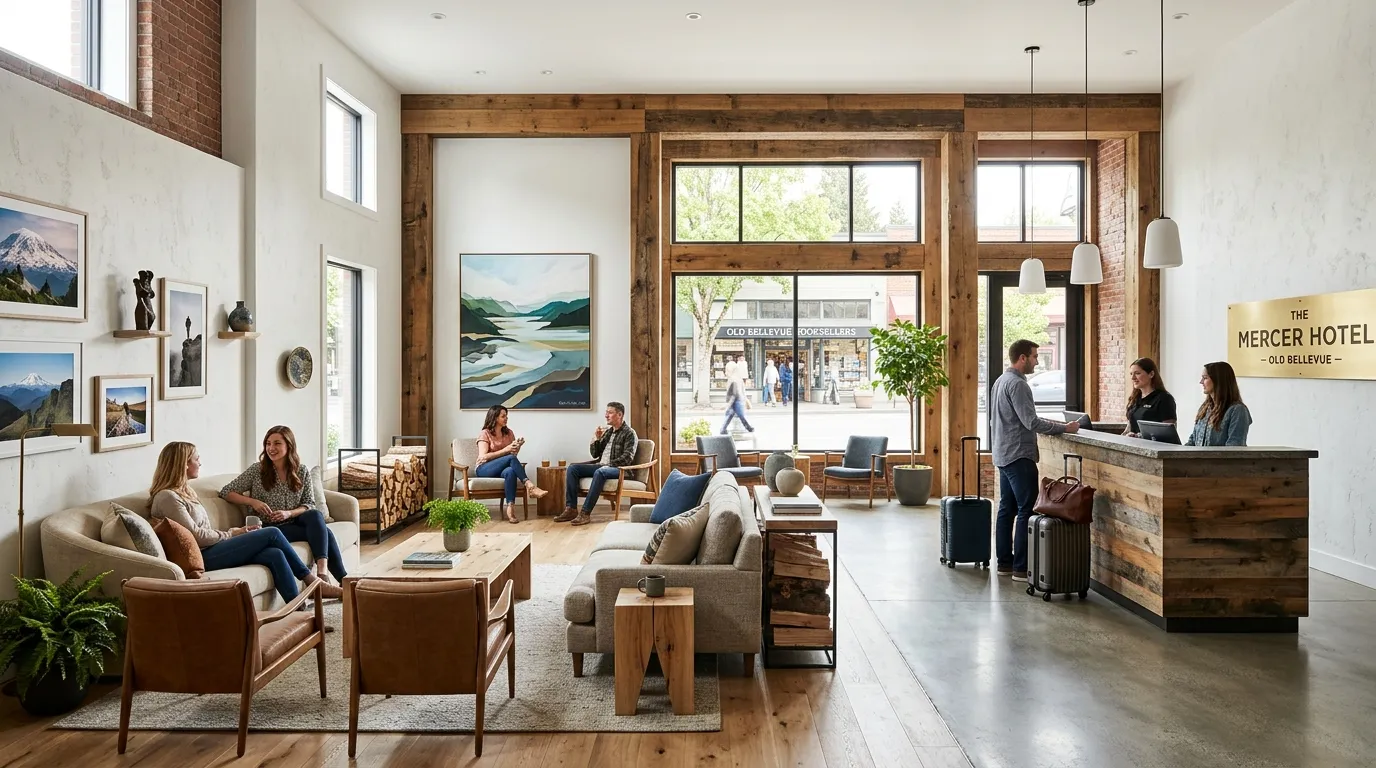
A downtown property near Broadway can credibly pull from the brick-and-timber vocabulary of the district: warm wood tones, exposed metal accents, textiles with a Midwestern craft feel that nods to the renovated warehouses and the historic Fargo Theatre marquee a few blocks over. A property positioned closer to NDSU and the medical district needs something more polished and durable-looking rather than raw, clean-lined case goods, upholstered seating in performance fabric that photographs well for recruiting weekends and holds its appearance through repeated turnover. A property competing directly with interstate chain hotels benefits from leaning hard into whatever makes it feel independent, richer color, a more architectural silhouette, anything that signals to a guest scrolling booking sites that this is not another exit-ramp box.
The mistake is sourcing individual pieces that each look good on their own, then trying to force them into a cohesive room at install. The result reads as assembled instead of designed, and the design-literate guests a boutique property is trying to win over notice immediately. Palette first, sourcing second. Pick two or three anchor finishes, one dominant wood tone or metal family, and a tightly defined fabric range, then hold every purchase order to those constraints before approvals go out.
Navigating Minimums in a Smaller Market
Most large contract furniture manufacturers are built for scale, comfortable with orders in the hundreds of rooms. A 40-room boutique property downtown ordering 45 lounge chairs and 30 guestroom desk chairs does not register with manufacturers tooled for national chain rollouts, and their minimum order policies reflect that.
This is not a dead end, it is a filter. The suppliers worth pursuing are the ones already set up for exactly this kind of account: independent hotels, small restaurant groups, boutique renovation projects. These manufacturers are used to mixed SKU orders and smaller production runs, and they will not balk at a request for 22 units of one chair and 15 of another. Ask about minimum order quantities in writing before you build a full specification around a supplier who cannot actually fill it.
Fargo does not have the density of a design trade market that a city like Atlanta or Minneapolis offers, which makes working through a supplier or FF&E partner with an established commercial furniture program more valuable, not less. Ask for documentation on commercial ratings and, where relevant, flame retardant compliance, and look for a track record delivering into properties that see the same kind of occupancy swings yours will.
If you are working with an FF&E consultant or purchasing agent, one of their core functions is aggregating a project like yours alongside other independent hospitality orders to reach manufacturer programs your standalone volume would not unlock on its own. That layer of cost frequently pays for itself once it prevents a specification mistake or an emergency reorder mid-season.
Planning Around North Dakota's Climate and Renovation Cycle
Cold-climate hospitality has its own quiet durability requirement that gets overlooked in warmer markets: dry winter air and constant heating cycles pull moisture out of wood and adhesives faster than in more humid regions, which means frame joinery and finish quality matter even more in Fargo than they would in a coastal city. Specify frames and case goods built to hold up through repeated heating seasons, and treat upholstery fabric as the component you plan to rotate on a shorter cycle.
Require COM-ready construction on upholstered pieces from the outset, no proprietary fabric systems and no hidden frame designs, so reupholstery down the line is straightforward rather than a redesign project. Keep clear records of your original specifications, frame construction, foam density, fabric weight, and finish codes, so the next sourcing round moves faster.
Lead times on custom upholstery programs typically run 10 to 16 weeks. If you are opening ahead of a football season or a conference calendar that will not wait, orders need to go out early enough to clear that timeline without squeezing the install window. Owners opening their first independent property consistently underestimate how tight that margin gets once custom work enters the picture.
Sourcing boutique hotel furniture in Fargo is a more specific problem than generic commercial procurement. The market's occupancy swings, its downtown revival identity, and its cold-climate durability demands all shape what holds up and what does not. Getting the specification right before the order ships is the most cost-effective decision on the whole project.
Ready to spec boutique hotel furniture for your Fargo project? Send us the details and we will price it around your requirements. Request a quote to start.