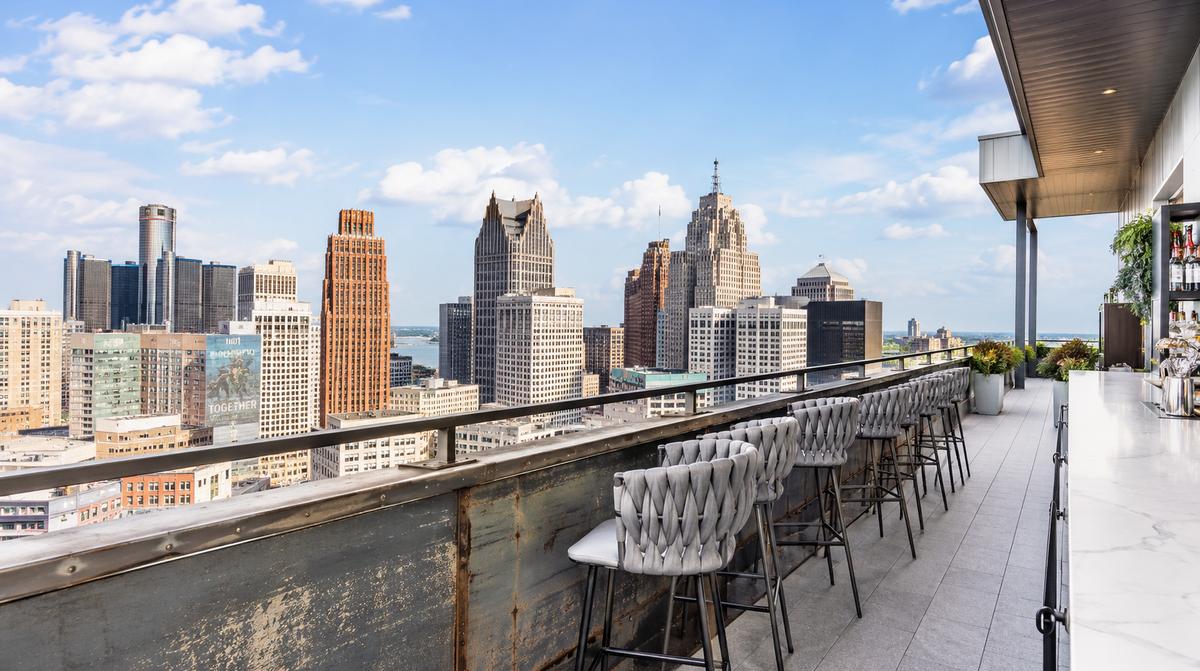
Providence punches well above its size when it comes to bar and lounge demand. The city is compact enough that a handful of districts absorb nearly all the volume: the downtown hotel corridor along the river and Waterplace Park, the Federal Hill restaurant strip on Atwells Avenue that has been Rhode Island's dining destination for generations, and the convention footprint anchored by the Rhode Island Convention Center and the Amica Mutual Pavilion. Sourcing bar lounge furniture Providence operators can depend on means understanding that these three markets each expect something different from a barstool or a lounge chair, and a piece that reads right in a Federal Hill trattoria bar will feel out of place in a downtown hotel lobby lounge.
Downtown and the Waterfront Hotel Corridor
Downtown Providence has rebuilt itself around Waterplace Park and the river walk, and the hotel bars in this corridor, the properties near Kennedy Plaza, the riverfront blocks that host WaterFire crowds several nights a season, are working hard to justify a stay in a city that competes with Boston just an hour up the highway. The furniture in these lounges has to carry a level of polish that matches a destination-hotel expectation, even though the footprints themselves are often tighter than what you would find in a larger metro.

Frame selection matters more in Providence's compact lounges than it does in wide-open venues, because guests sit closer together and every piece gets more visual scrutiny per square foot. Powder-coated steel or aluminum frames in a matte black or brushed finish hold up well against the humidity that rolls in off Narragansett Bay, and they photograph cleanly for the WaterFire crowds who treat a riverside bar as much as a backdrop as a place to sit. Upholstery should be a performance fabric rated for at least 30,000 double rubs Wyzenbeek at minimum, since these lounges see heavy turnover on WaterFire nights, Waterfront Wine Festival weekends, and any evening the Providence Performing Arts Center down the block lets out a full house.
Seat height accuracy is a recurring problem in this corridor because so many of these lounges were fit into older downtown buildings with counters that were never built to a standard commercial spec. Measure the actual counter before ordering. A standard 42-inch bar counter takes a 28 to 30-inch seat, while a 36-inch counter needs a 24 to 26-inch stool. In a converted mill or a historic downtown building, do not assume the counter matches either number until you have measured it yourself.
Federal Hill: A Design-Literate Market Built on Longevity
Federal Hill has been Providence's premier restaurant and bar district for decades, and the Atwells Avenue corridor from the pineapple arch through DePasquale Square has a market that is both design-conscious and deeply tied to tradition. Operators opening a new cocktail bar or wine lounge on the Hill are competing against restaurants with forty-year reputations, which means new furniture has to look intentional from the first week rather than settling in over a season.
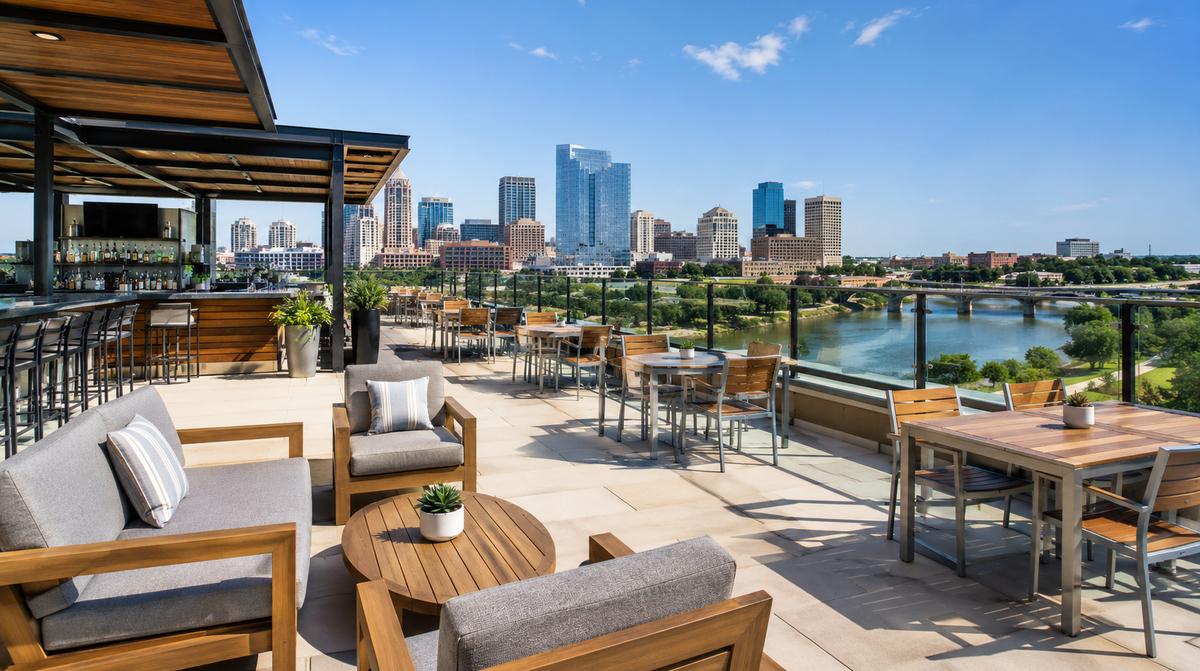
Current preferences in this district lean toward warm-toned upholstery, cognac and deep burgundy leathers, mixed with solid wood tables and softer, curved banquette silhouettes rather than the harder industrial lines that dominated a decade ago. COM programs are worth raising early with your supplier here. A custom order-material program lets an operator specify a proprietary fabric, sometimes matched to a family restaurant's existing color story, on a frame that is already proven in commercial service. For a Federal Hill concept trying to stand out on a street this saturated, that level of specificity is often the difference between furniture that reads as generic and furniture that reads as designed.
Table stability is a practical issue on the Hill given the mix of older buildings with uneven original flooring and newer built-out spaces. Specify cast iron or heavy powder-coated steel bases with adjustable leveling glides on every table order, and confirm the glide material is commercial-grade nylon or felt rather than a plastic cap that wears through and starts marking floors within a season.
The Convention Corridor: RI Convention Center and Amica Mutual Pavilion
The stretch of downtown around the Rhode Island Convention Center and the Amica Mutual Pavilion runs on an event calendar that produces sharp, predictable spikes in bar traffic. When a major convention, a graduation ceremony, or a touring show fills the Pavilion, the bars within a few blocks see volume that dwarfs a typical weeknight, and the furniture in those venues needs to be treated as operational infrastructure rather than decor.
Specification priorities in this corridor start with structural weight and weld quality. Bar stool frames intended for high-volume convention-adjacent service should run a minimum of 16-gauge steel on every structural member, with fully welded joints at the footrest and each leg-to-seat connection. Bolted-frame stools loosen quickly under the stress of hundreds of different guests sitting, shifting, and standing over a long event night, and a wobbly stool is one of the fastest ways a venue earns a bad review after a big weekend downtown.
Replaceability is the detail operators in this corridor tend to underweight until it costs them. A venue running several hundred covers on a peak convention night will lose individual pieces to wear or damage, and those pieces need to be swappable without disrupting service. Work with a supplier that carries in-stock inventory of your primary collection rather than one that only offers made-to-order availability. Being able to order a handful of replacement barstools in a matching finish for next-month delivery is worth more than saving a small amount on a collection that ships eight weeks out from a single production run.
Sourcing Bar Lounge Furniture for Providence Projects
Providence's hospitality construction market moves in short, concentrated windows. A hotel renovation gets scheduled around a convention calendar, a Federal Hill space changes hands and the new owner wants to open before the next big event weekend, and the furniture order lands on a compressed timeline more often than not. The standard commercial furniture lead time of 8 to 12 weeks for custom orders rarely lines up cleanly with a Providence opening date that was set before construction even started.
The practical approach for most Providence bar and lounge projects is a blend of in-stock contract inventory for the core seating program and custom or COM orders reserved for the accent pieces where a distinct look matters most. Build the supplier relationship before the project starts. Know which vendors keep in-stock barstools in the finishes you specify most often, which suppliers run realistic COM turnaround times, and which can fulfill a partial replacement order on short notice when a piece fails mid-season.
Lead time transparency is the variable that decides whether a Providence opening happens on schedule. Get confirmed availability and delivery windows in writing before finalizing your order. If you are planning a bar or lounge build anywhere in Providence, downtown, Federal Hill, the convention corridor, or the neighborhood bars around Wayland Square and Fox Point, request a specification consultation before your layout is locked. It is far cheaper to catch a seat height mismatch or a clearance problem on paper than after the furniture has arrived.