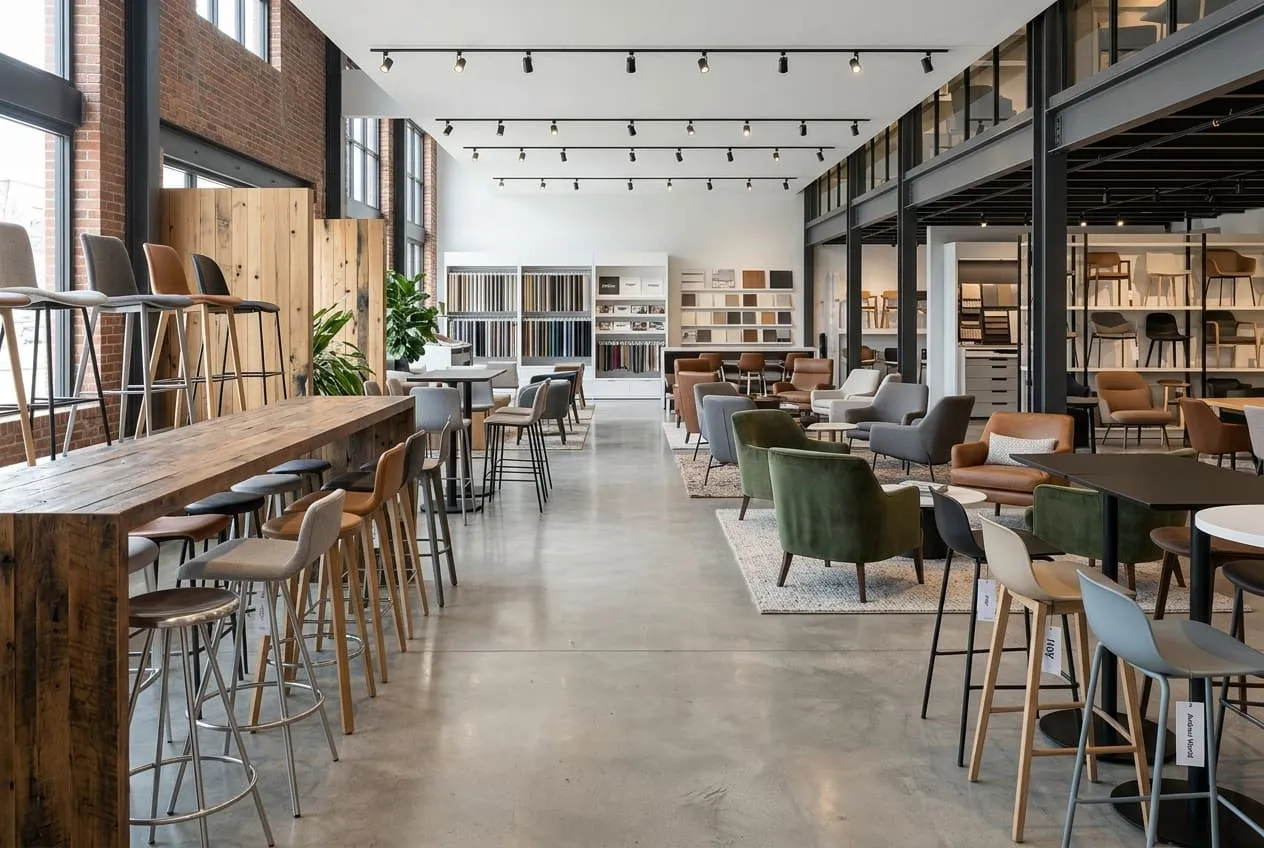
Little Rock's bar and lounge market is smaller than Atlanta or Nashville, but it is more concentrated, and that concentration creates its own kind of pressure on furniture specification. The River Market District downtown pulls in convention traffic from the Statehouse Convention Center and the Clinton Presidential Center, the South Main corridor (known locally as SoMa) has matured into the city's most design-conscious independent bar scene, and the West Little Rock hotel corridor along Chenal Parkway and I-430 keeps a steady rotation of business travelers moving through lobby bars and lounges twelve months a year. Sourcing bar lounge furniture Little Rock operators can depend on means understanding these three distinct contexts, because a stool built for a downtown convention crowd is not the piece you want in a SoMa wine bar.
River Market District and Downtown Convention Volume
The River Market District, running along President Clinton Avenue and down toward the Arkansas River, is where Little Rock's convention and tourism traffic converges. The Statehouse Convention Center and the Clinton Presidential Center both draw steady group business through downtown, and the bars and restaurants within a few blocks absorb that volume on event nights in a way that neighborhood bars never see. Furniture in this corridor has to hold up to a crowd that turns over quickly and drinks standing at high-tops between sessions.
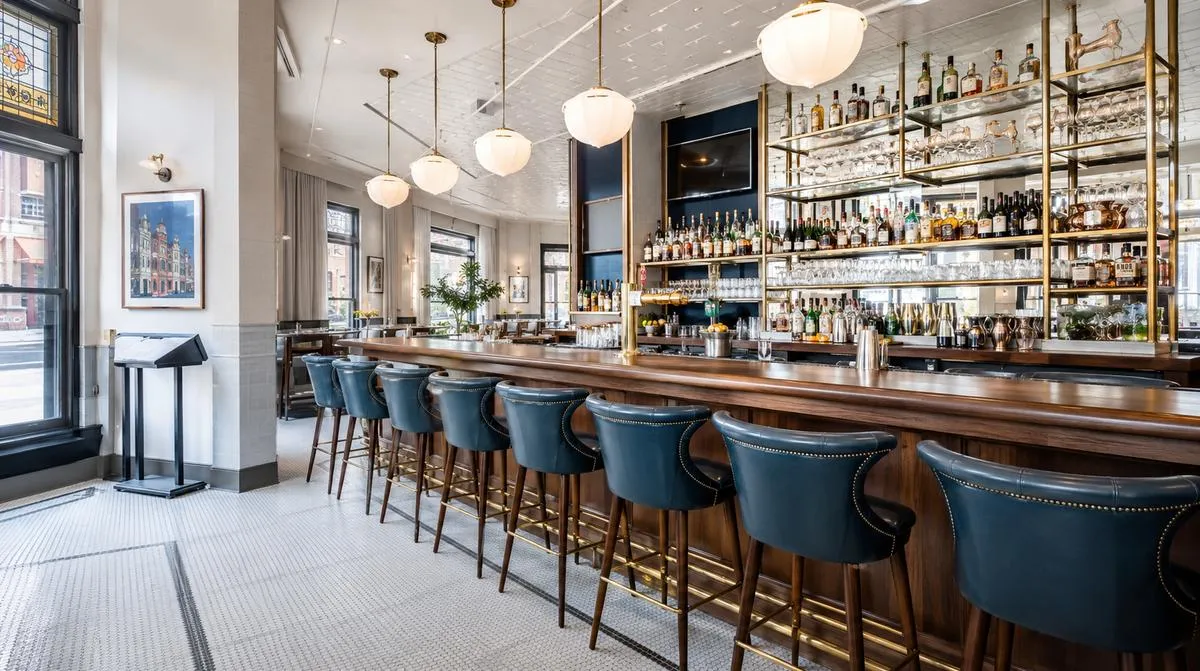
For downtown venues near the convention center, specify barstool frames at a minimum of 16-gauge steel with fully welded joints at the footrest and every leg-to-seat connection. Bolted frames work loose fast under the kind of use a convention crowd generates, hundreds of different people sitting down and standing up over a single event day. Solid bar stock footrests are worth the small premium over hollow tube construction here too. A hollow footrest dents and rattles within a season of River Market traffic, and replacing it mid-run means pulling a stool out of service on a night when every seat matters.
Table bases matter just as much in this district. Downtown floors are a mix of tile, polished concrete, and reclaimed brick storefront flooring in some of the older buildings along the Market, and none of it is perfectly level. Cast iron or heavy powder-coated steel bases with adjustable leveling glides solve the wobble problem that plagues cheaper table programs. Confirm your actual counter height before ordering, too. A standard 42-inch bar counter pairs with a 28-to-30-inch seat height, while a 36-inch counter-height surface needs a stool in the 24-to-26-inch range. That distinction gets missed more often than it should on new downtown builds, and a two-inch mismatch is not something you fix without replacing the order.
SoMa and Argenta: Independent Cocktail Bar Design
South Main, running from the Clinton Library area down through the SoMa corridor, has become Little Rock's clearest example of a design-forward independent bar scene, and Argenta across the river in North Little Rock has followed a similar path with its own cluster of restored storefronts and cocktail programs. These are operators competing on atmosphere as much as pour quality, and the furniture is part of how that atmosphere reads to a first-time guest.
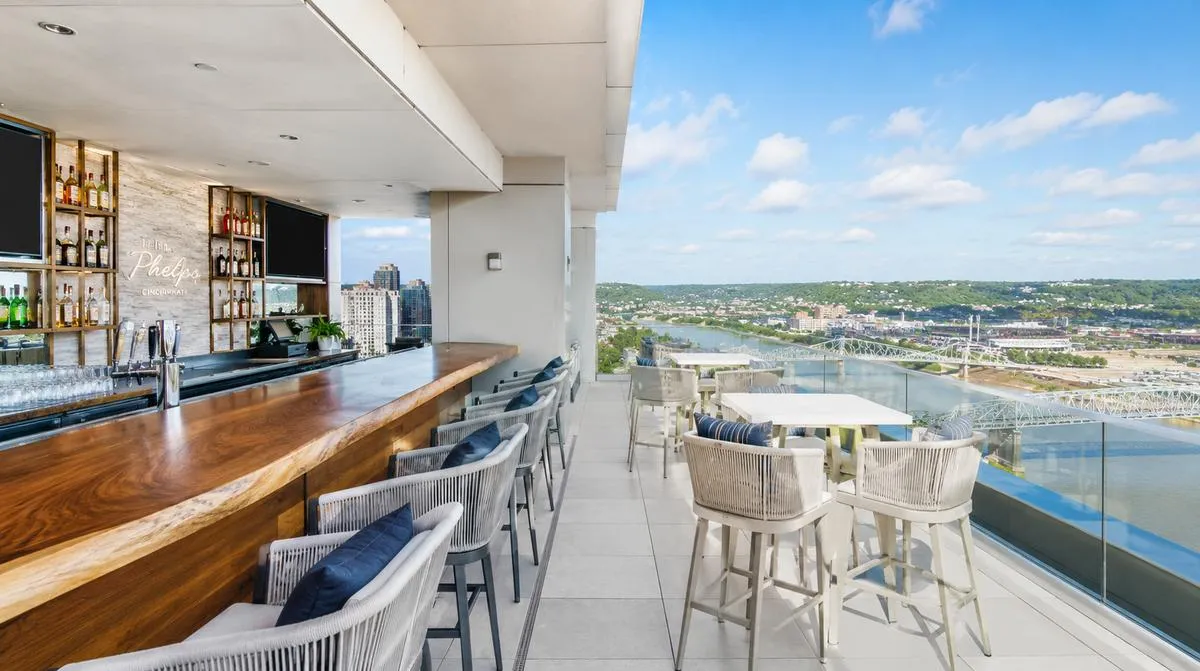
Current preferences in this corridor lean toward curved lounge silhouettes, deeper cushioning, and warm-toned upholstery in cognac, rust, olive, or slate rather than the flat black-metal industrial look that dominated bar builds through the 2010s. Operators opening a program in SoMa or Argenta now are sourcing bar lounge furniture Little Rock design-literate crowds expect, meaning pieces with an intentional look at the table level that also carry the structural rating a working bar demands. COM programs are worth raising early in this conversation. A custom order-material program through your contract furniture supplier lets a designer specify proprietary fabric on a commercially proven frame, which is how a small independent bar in a converted storefront achieves a genuinely custom look without stepping down to residential-grade construction that will not survive nightly service.
Mixed-material tables that pair a solid wood or stone top with a powder-coated steel base read well in these restored-building spaces, and they photograph better for the social media presence that a new SoMa or Argenta opening depends on in its first year. For accent seating near the bar itself, upholstery rated at a minimum of 40,000 double rubs Wyzenbeek is the right floor, since these are lower-volume rooms than a downtown convention bar but still doing enough covers to wear through a residential-grade fabric within a year.
West Little Rock Hotel Corridor and Chenal Parkway
The hotel corridor along West Little Rock and Chenal Parkway, and the properties clustered near I-430, run a different program entirely. These are lobby bars and hotel lounges serving business travelers on expense accounts through the week and a mix of families and weekend visitors on the weekend, and the furniture has to work across both crowds without looking like it was built for either exclusively.
Durability against constant, moderate use matters more here than resistance to a single peak night. Specify performance fabrics at 40,000 to 50,000 double rubs Wyzenbeek with a moisture barrier under the cushion, since a hotel lounge sees drink service at all hours and spill exposure adds up over months rather than concentrating in one event. Frame finishes should lean toward brushed metal or warm wood tones that read as neutral hospitality design rather than trend-driven bar aesthetics, since these rooms need to stay current for five to seven years between renovation cycles, longer than an independent cocktail bar chasing a design trend.
Sourcing Bar Lounge Furniture for Little Rock Projects
Little Rock's hospitality construction market moves in smaller bursts than a larger metro, but the timeline pressure is the same. A hotel group commits to a West Little Rock renovation, an operator signs a lease in SoMa, and the furniture order lands on a schedule that has already absorbed construction delays. The standard commercial lead time of 8 to 12 weeks for custom orders rarely fits inside a compressed opening date.
The practical approach for most Little Rock bar and lounge projects combines in-stock contract inventory for the core seating program with custom or COM orders reserved for the accent pieces where design specificity matters most. Build the supplier relationship before the urgent need arrives. Know which vendors carry in-stock barstools in your most-used frame finishes, which suppliers run realistic COM turnaround times, and which can fill a partial replacement order without forcing a full production run.
Lead time transparency is the variable that determines whether a Little Rock opening happens on schedule. Get confirmed availability and delivery windows in writing before the specification is finalized. If you are in the early planning stages of a bar or lounge build anywhere in Little Rock, whether downtown near the River Market, in SoMa or Argenta, or along the West Little Rock hotel corridor, request a specification consultation from your supplier before the layout is locked. It surfaces seat height mismatches and clearance problems while they are still cheap to fix.
For Little Rock properties comparing bar and lounge furniture options, project-specific pricing tells you more than any published range. Request a quote and we will scope it to your space and volume.