
Grand Rapids' bar and lounge market runs harder than most cities its size expect from a Midwest metro. Between the taproom and brewpub density that earned the city a national reputation in craft beer coverage, the downtown cocktail and hotel bar scene that has matured around DeVos Place and Van Andel Arena, and an ArtPrize season that keeps downtown venues at volume for weeks every fall, the pressure on furniture here is real and consistent. Sourcing bar lounge furniture Grand Rapids operators can depend on means understanding each of these contexts, because a stool that performs on a busy taproom floor is not the same stool that belongs in a downtown hotel cocktail lounge.
Downtown Hotel Bars and the Convention Standard
Downtown Grand Rapids is where the city's hospitality market sets its most polished tone. The hotel bars near DeVos Place and the surrounding blocks are not just amenities, they function as destination venues during convention weeks, and the furniture has to perform to that expectation. Operators sourcing bar lounge furniture for downtown properties are dealing with environments that demand premium visual quality, contract-grade structural performance, and heavy-use seating that can absorb a full convention calendar without showing it.
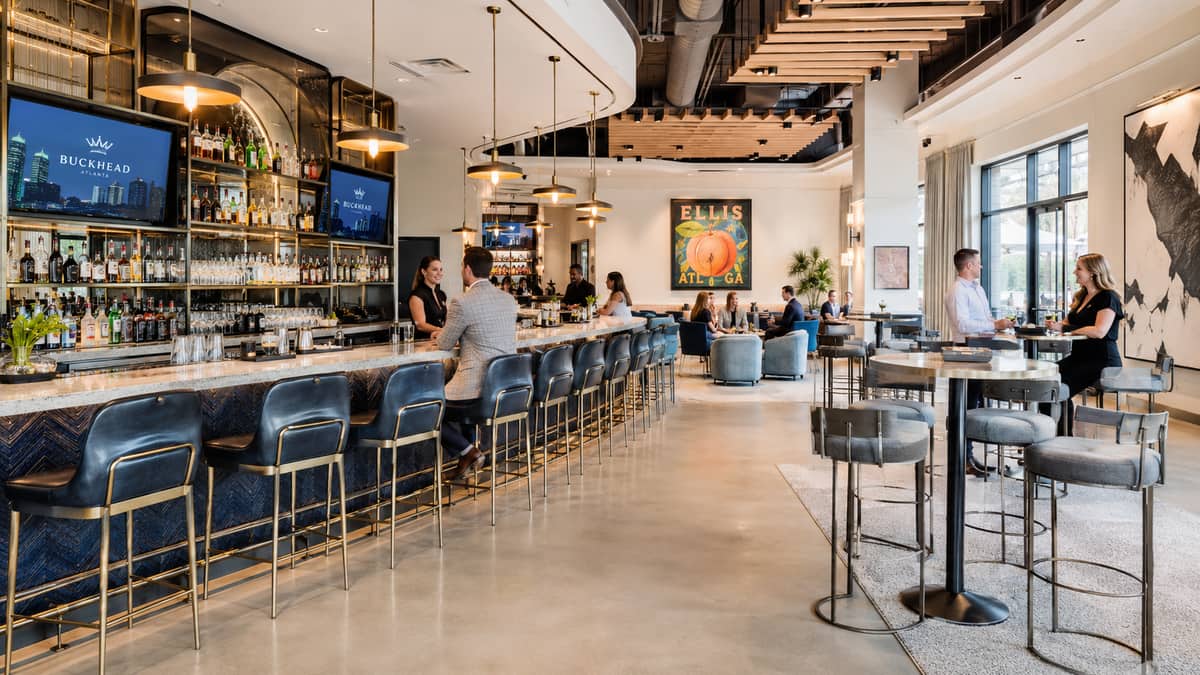
For rooftop and outdoor-adjacent settings, the material spec starts with the frame. Fully welded powder-coated aluminum is the correct choice for outdoor bar seating in West Michigan, lighter than steel, resistant to the humidity Grand Rapids carries through the summer, and durable under the temperature swings that come with lake-effect weather patterns. Avoid hollow footrests on any barstool specified for a high-volume program. Solid bar stock footrests withstand the constant pressure of guests resting and shifting their weight. Hollow tube footrests dent and loosen within a season of heavy use.
Upholstery on downtown hotel bar seating needs to be commercial-grade vinyl or a performance fabric rated for heavy exposure. For indoor lounge zones, the lower-level bar, the lobby lounge, the mezzanine seating that transitions between spaces, specify performance fabrics at a minimum of 50,000 double rubs Wyzenbeek with a moisture barrier under the seat cushion. Downtown Grand Rapids venues are doing enough volume on convention and weekend nights that spill saturation is a realistic failure point, and foam that absorbs liquid will need to be replaced far ahead of schedule.
Seating height is an area where Grand Rapids operators consistently run into problems on new builds. Confirm your actual bar counter height before placing any barstool order. A standard bar-height counter is 42 inches, and a 28-to-30-inch seat height is the correct pairing. Counter-height surfaces at 36 inches need a stool in the 24-to-26-inch range. A two-inch mismatch is uncomfortable for every guest in that seat and unfixable without replacing the furniture.
Taprooms and Brewpubs: Design Expectations Run High
Grand Rapids' brewery corridor represents the city's most design-literate hospitality market outside downtown proper. These are the venues where operators are thinking seriously about visual identity, not just seating capacity. A taproom opening in the city in 2026 is competing for regional beer-tourism attention, press coverage, and the kind of word-of-mouth that drives a first-year program. The furniture is part of that competition.
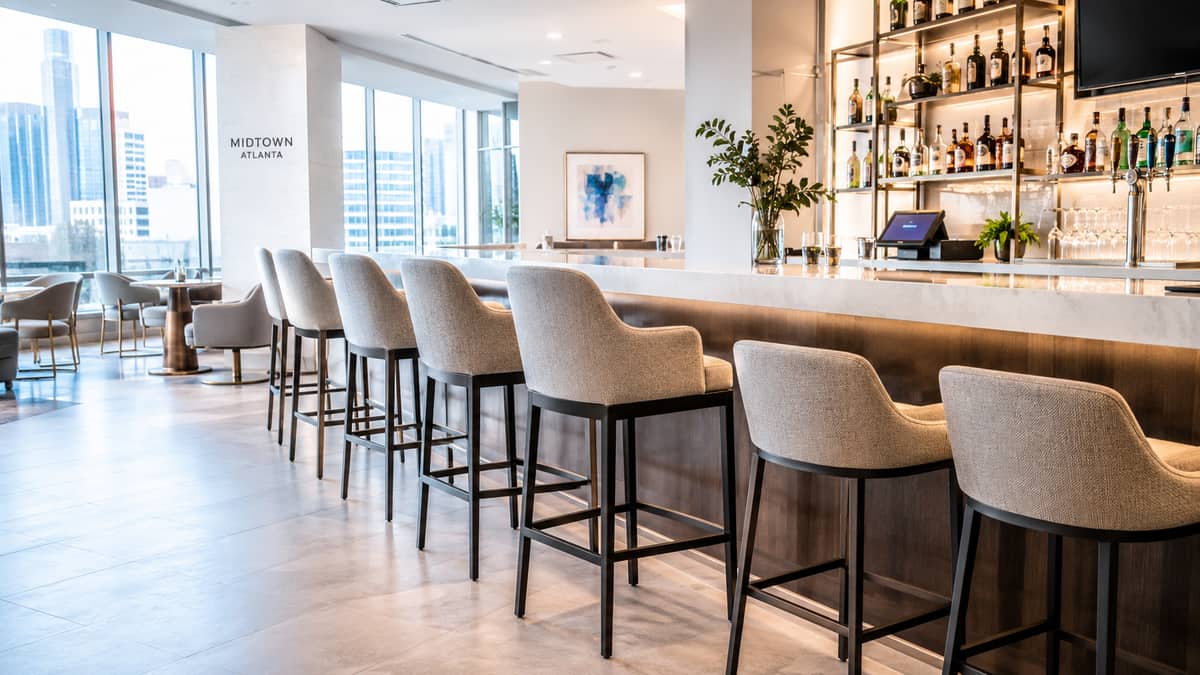
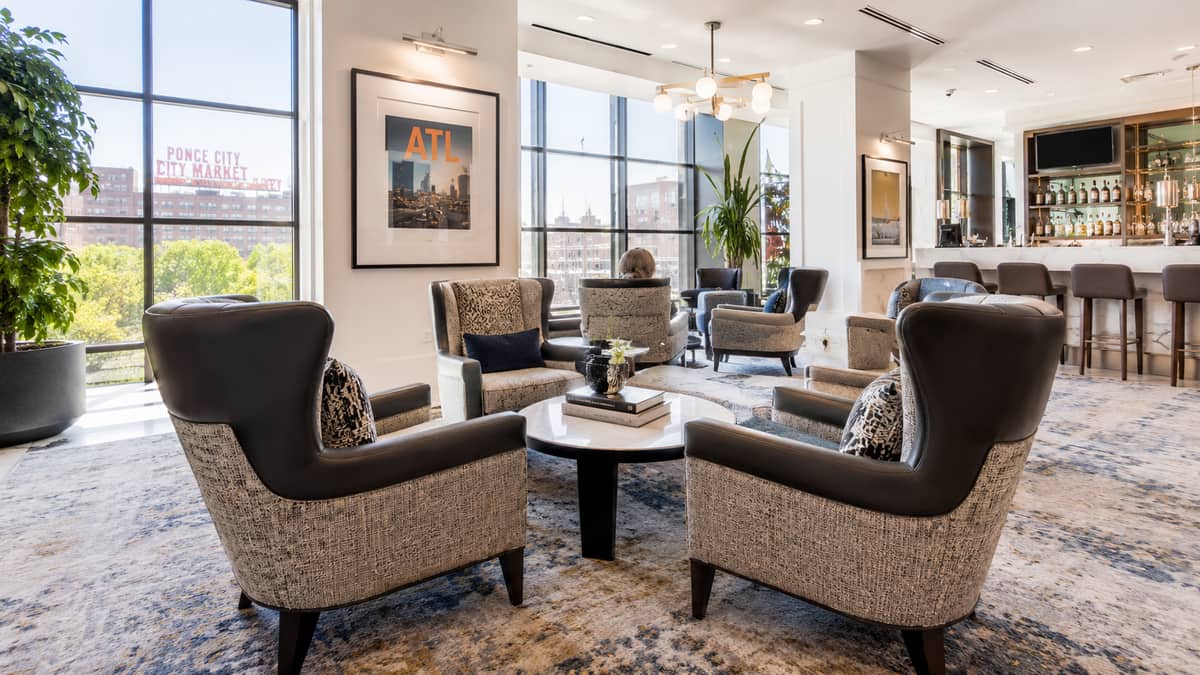
Current market preferences in this corridor lean toward curved lounge silhouettes with thick cushioning, warm-toned upholstery, and mixed-material combinations that layer metal with solid wood, a look that plays naturally into the city's furniture-manufacturing heritage. The rigid, all-black-metal industrial aesthetic that dominated bar builds for the better part of a decade is receding. Operators opening now are sourcing bar lounge furniture Grand Rapids design firms would approve, which means pieces that look intentional at the table level and hold up to scrutiny from a beer-tourism crowd that has visited a lot of taprooms.
COM programs are worth asking about early in this context. A custom order-material program through your contract furniture supplier lets your designer specify proprietary fabric on a commercially proven frame. This is how independent Grand Rapids brewpubs achieve a bespoke look without sacrificing the structural specification that a hospitality environment demands. It is not an afterthought. It is a sourcing conversation that needs to happen before the design direction is locked, not after.
For high-top table configurations at communal taproom-style venues, specify cast iron or heavy powder-coated steel bases with adjustable leveling glides. Many of the repurposed industrial buildings favored by brewery operators have concrete floors that are rarely perfectly level, and a rocking table in a premium venue is the kind of detail that guests notice and do not forget.
The Convention Corridor: DeVos Place and Downtown Volume
The stretch of downtown from the riverfront through DeVos Place and Van Andel Arena operates on a convention-driven calendar that produces peak demand unlike anything in the neighborhood bar market. When a major trade show or event hits downtown, the bars within walking distance are doing numbers that would be exceptional in any context. Furniture in these venues needs to be treated as infrastructure, not decor.
The specification priorities here are structural weight, weld quality, and replaceability. Bar stool frames for high-volume convention-corridor venues should be minimum 16-gauge steel on all structural members, with fully welded joints at the footrest and at every leg-to-seat connection. Bolted frames loosen under the kind of stress that comes from hundreds of different people sitting down, shifting, and standing up over the course of a long event day. Ask your supplier for documentation on weld construction if you are buying in volume. Any credible contract furniture supplier can provide it.
Replaceability matters more than operators expect. In a venue running heavy covers on a peak convention or ArtPrize night, individual pieces will fail and will need to be swapped out without disrupting service. Specify a primary collection and confirm your supplier carries stock of that collection, not just made-to-order availability. The ability to order six replacement barstools in the same finish for next-month delivery is worth more than a marginally better price on a collection that ships eight weeks out from a single production run.
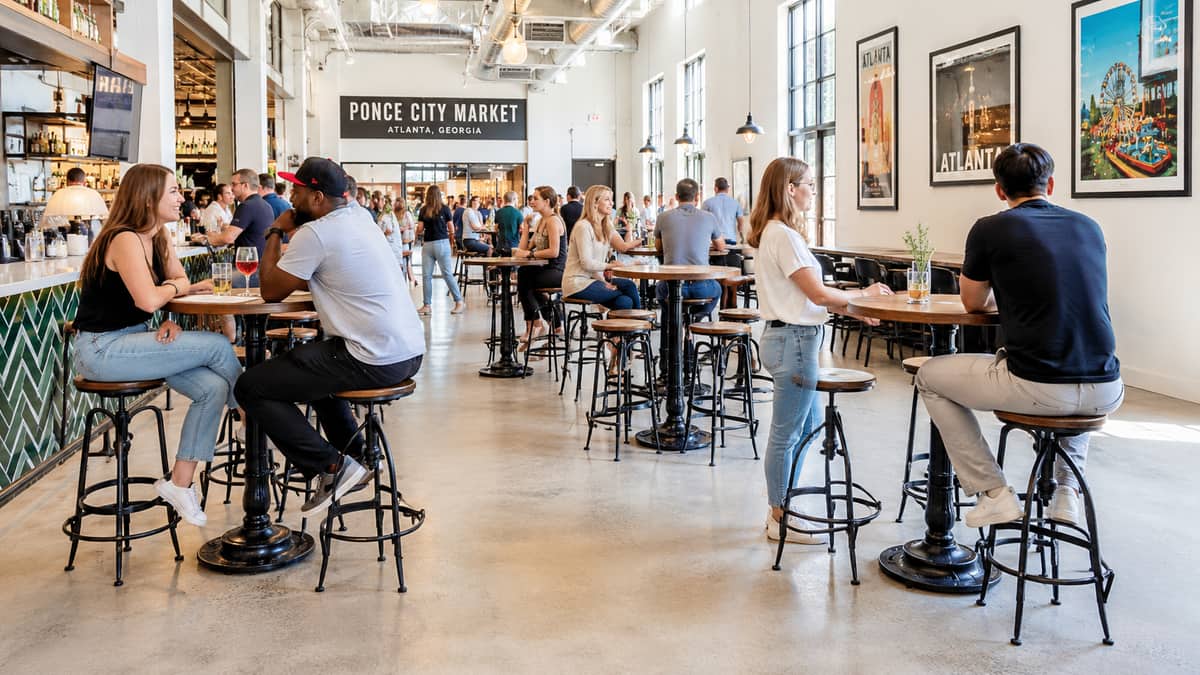
Table bases in this context should have commercial-grade nylon or felt glides, not plastic caps. These tables are being moved and repositioned multiple times per shift across concrete and tile floors. Plastic glide caps wear through quickly and start damaging floors within a season of heavy use.
Sourcing Bar Lounge Furniture for Grand Rapids Projects
Grand Rapids' hospitality construction market moves in concentrated bursts tied to its event calendar. A hotel brand announces a downtown opening, a brewery group commits to a new taproom concept, and the furniture order lands on a timeline that has already been compressed by construction delays. The standard commercial furniture lead time of 8 to 12 weeks for custom orders does not fit inside a schedule where the opening date is fixed and the general contractor handed over the space late.
This means the practical sourcing strategy for most Grand Rapids bar and lounge projects is a combination of in-stock contract inventory for the primary seating program and custom or COM orders for accent pieces where design specificity matters most. Build supplier relationships before you have an urgent need. Know which vendors carry in-stock bar stools in the frame finishes you use most frequently, which suppliers have COM programs and realistic turnaround times, and which can fulfill partial replacement orders on short notice.
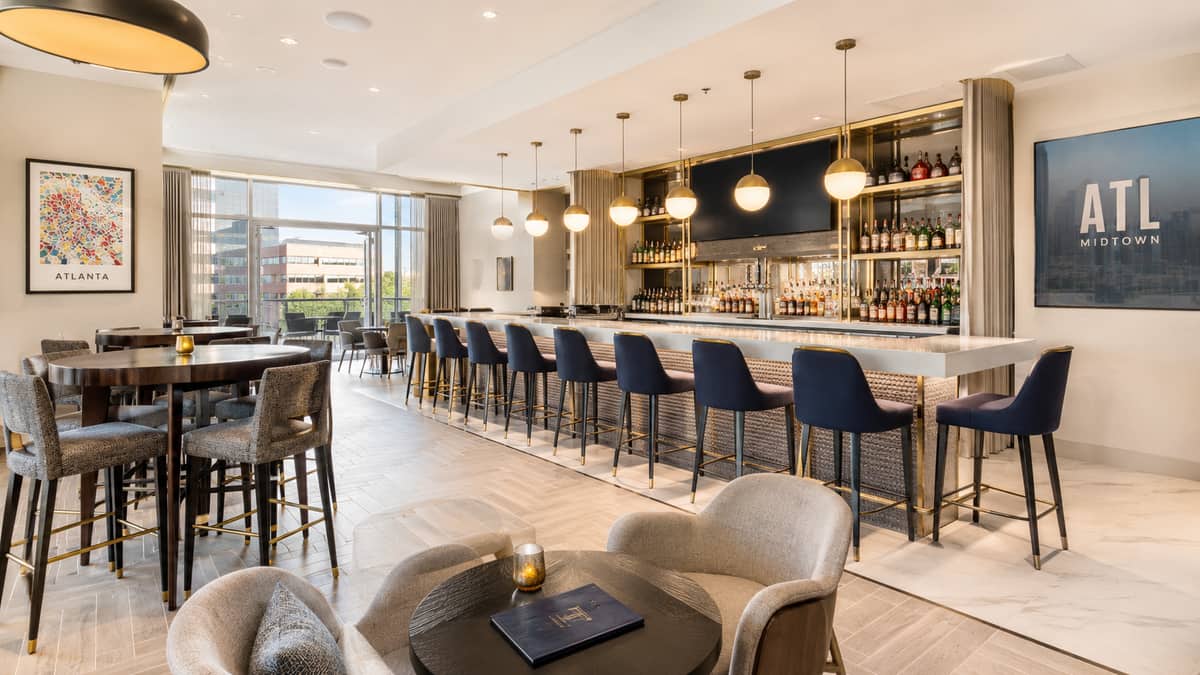
If you are in the early planning stages of a bar or lounge build anywhere in Grand Rapids, downtown, the Medical Mile corridor, or the independent taproom market in the surrounding neighborhoods, request a specification consultation from your supplier before your layout is finalized. It will surface the seat height mismatches, material incompatibilities, and clearance problems that are far cheaper to fix on paper than after the furniture arrives.
Related reading
- Commercial bar furniture buying guide
- What is contract furniture
- Commercial furniture vs retail
- Hospitality furniture supplier guide
- Restaurant furniture in Grand Rapids
- Banquet and event furniture in Grand Rapids
- Commercial barstools
- Bar lounge chairs
- Bar and restaurant tables
- Request a quote
- Commercial furniture in Michigan