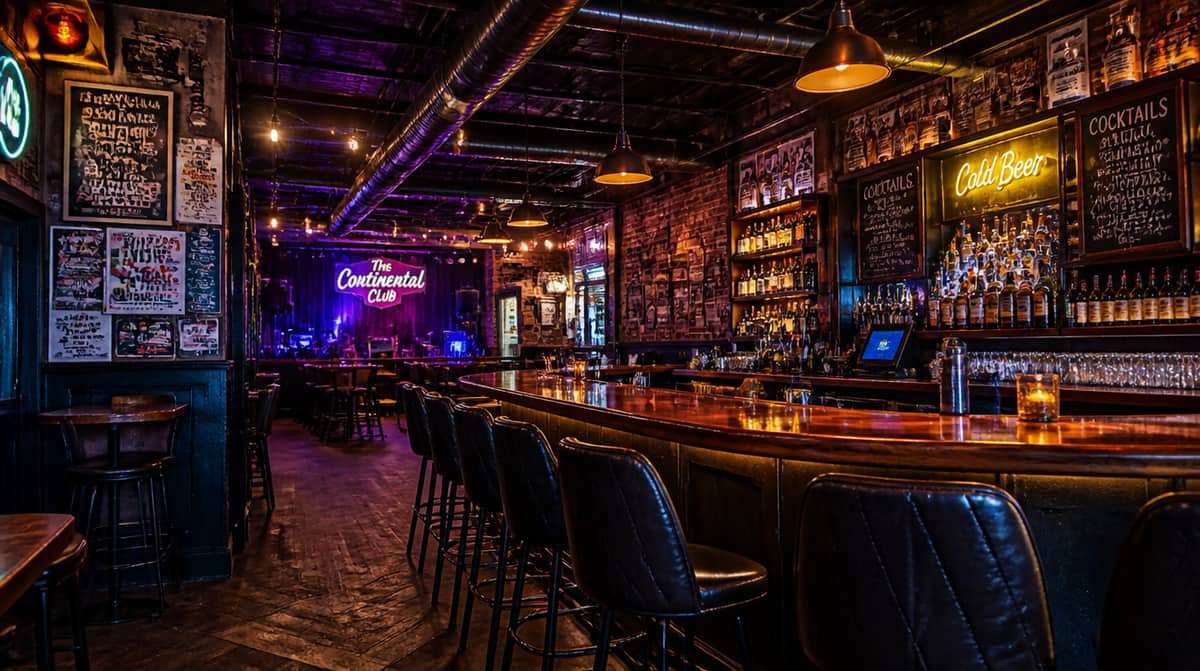
Cheyenne's bar and lounge market does not run at Denver volume, but it carries its own pressures that a generic furniture spec will not survive. Frontier Days turns downtown into the site of what is billed as the world's largest outdoor rodeo and western celebration for ten days every summer, and every bar within walking distance of the grounds sees a surge in covers that dwarfs a normal weekend. The Historic Depot District along 15th and 16th Streets trades on restored brick buildings and Old West character that guests expect the furniture to match. And the hotel corridor along I-80 and the I-25 interchange runs a steady baseline of business travel, government visitors tied to the state capitol, and energy-sector crews passing through on rotation. Sourcing bar lounge furniture Cheyenne operators can depend on means understanding all three contexts, because a stool built for a Frontier Days surge is not the same stool that belongs in a quiet downtown wine bar in February.
Frontier Days and the Peak-Volume Problem
Cheyenne Frontier Days is the defining variable in this market. For ten days every July, the population downtown effectively multiplies, and bars near the rodeo grounds and the Frontier Park events area do a full season's worth of business in a week and a half. Furniture that looks fine on a slow Tuesday in March gets tested hard under that kind of load, and the failures show up fast: loose joints, cracked glides, upholstery that cannot handle spilled beer and constant turnover.
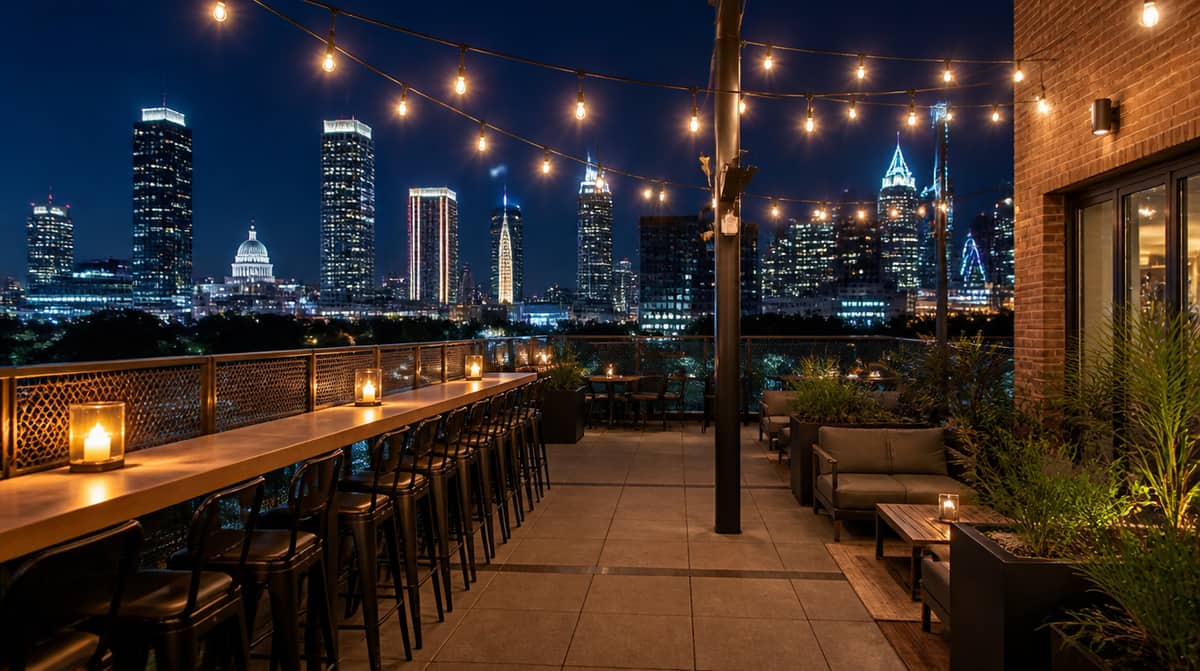
The right response is to specify for the peak, not the average week. Barstool frames should be minimum 16-gauge steel with fully welded joints at the footrest and every leg-to-seat connection. Bolted-frame stools loosen quickly under the kind of stress that comes from hundreds of different riders sitting down hard, shifting their weight, and standing up over a long night. Solid bar stock footrests hold up far better than hollow tube under that kind of continuous use, and the difference becomes obvious by the second or third Frontier Days a piece survives. Upholstery should be commercial-grade vinyl or a performance fabric rated at minimum 50,000 double rubs Wyzenbeek, with a moisture barrier under the cushion. A festival crowd generates spill volume that ordinary interior fabric was never built to absorb.
Replaceability matters as much as durability here. A bar running an extra 300 covers a night during Frontier Days will lose individual pieces to wear and tear during the run, and needs to swap them out without shutting down seating. Confirm your supplier keeps stock of your primary collection rather than relying on made-to-order lead times. Ordering a handful of replacement barstools in the same finish for next-week delivery matters more during festival season than saving a few dollars on a collection that only ships from a single production batch.
The Historic Depot District and Old West Character
The stretch of downtown around the Cheyenne Depot Plaza and the blocks running along 16th and 17th Streets has built its identity around restored railroad-era brick and a genuine Old West architectural character that predates the city's oil and rail booms. Bars and lounges opening in this district are not chasing a themed aesthetic so much as fitting into buildings that already carry the history, and the furniture needs to read as authentic rather than costume.
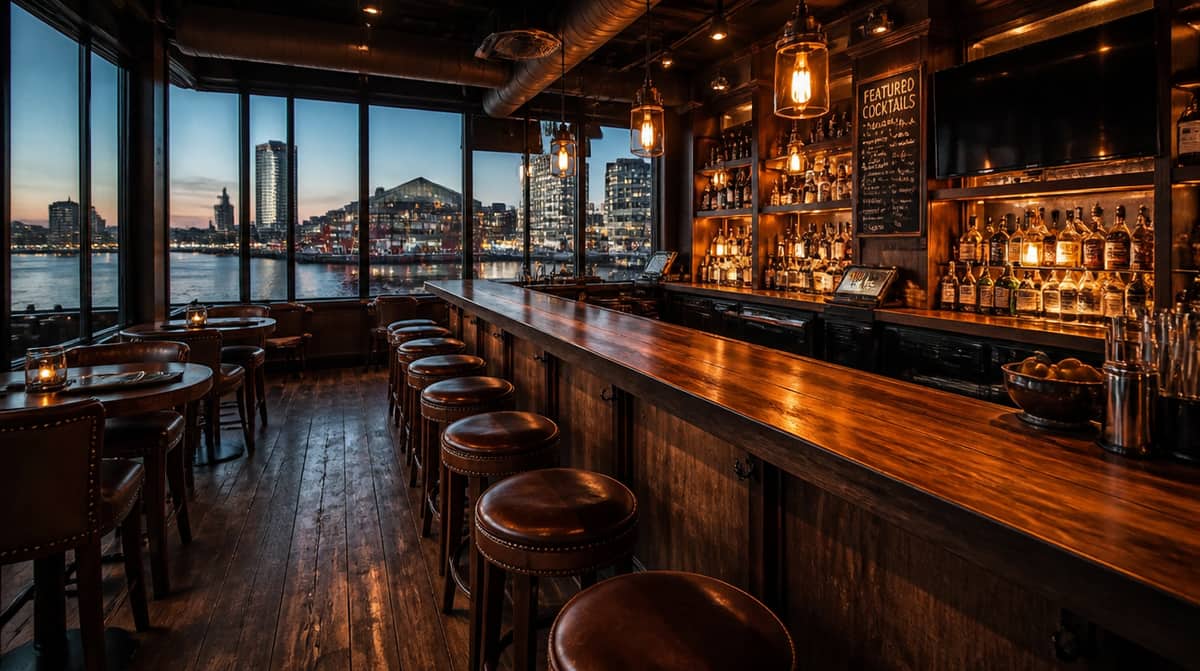
Operators in this corridor are gravitating toward mixed-material pieces that pair blackened or aged-finish metal with solid wood tabletops, along with leather or leather-look upholstery in saddle tan, whiskey brown, or deep rust tones that sit comfortably against exposed brick. This is a market where a COM program is worth a conversation with your supplier early in the design process. Custom order-material lets a designer put a proprietary leather or western-weight fabric on a commercially proven frame, which is how an independent Depot District bar gets a look that feels specific to Cheyenne rather than pulled from a catalog, without giving up the structural rating a working bar needs. Table bases in these renovated brick buildings should carry adjustable leveling glides as standard. Century-old floors are rarely flat, and a wobbling table in a room that is otherwise doing everything right is the detail guests remember.
The I-80 Hotel Corridor and Year-Round Business Traffic
Cheyenne's hotel bars along the I-80 corridor and near the I-25 interchange serve a different customer than the downtown scene. This is where state government visitors, wind energy and rail industry crews on rotation, and highway travelers moving between Denver and the northern plains stop for a drink and a meal. The volume here is steadier and less seasonal than downtown, but the wear pattern is arguably tougher: these lobby bars and lounges are in use nearly every night of the year, including the deep-winter months when Cheyenne's wind and cold keep guests inside rather than sending them out to explore.
Seating height is the most common specification error operators run into on new hotel bar builds. Confirm the actual counter height before ordering. A standard bar-height counter runs 42 inches and pairs with a 28 to 30 inch seat height, while a 36 inch counter-height surface needs a stool in the 24 to 26 inch range. A two-inch mismatch is uncomfortable for every guest who sits there and cannot be corrected without replacing the order. For lobby lounge seating that blends business meetings with evening drinks, specify performance fabrics that can handle both spilled coffee at 8am and spilled bourbon at 10pm, since this furniture works double duty in a way that a dedicated bar program does not.
Sourcing Bar Lounge Furniture for Cheyenne Projects
Cheyenne's hospitality construction market moves in smaller, more spread-out bursts than a major metro, which makes lead time planning even more important. A hotel renovation along the I-80 corridor or a new bar opening ahead of Frontier Days season needs furniture on-site well before the calendar pressure hits, and Wyoming's distance from major manufacturing and distribution hubs adds real transit time on top of standard production schedules. The practical strategy is to lean on in-stock contract inventory for the core seating program and reserve custom or COM orders for the accent pieces where a Depot District or western aesthetic genuinely needs it.
Get confirmed availability and delivery windows in writing before finalizing your order, not a verbal estimate. If you are planning a bar or lounge build anywhere in Cheyenne, downtown, the Depot District, or the hotel corridor along I-80 and I-25, request a specification consultation before your layout is locked. It is far cheaper to catch a seat height mismatch or a clearance problem on paper than after a truck full of furniture arrives two weeks before Frontier Days.