Columbus has emerged as one of the Midwest's most serious restaurant cities. The Short North Arts District alone hosts a concentration of independently operated restaurants that compete on design as aggressively as they compete on food. Meanwhile, the Columbus Convention Center drives a reliable weekday lunch and dinner market for downtown establishments, and Ohio State game weekends create single-day volume spikes that can exceed a restaurant's entire weekly average. Furniture has to be built for all of it.
Where Columbus Restaurants Compete on Interior Design
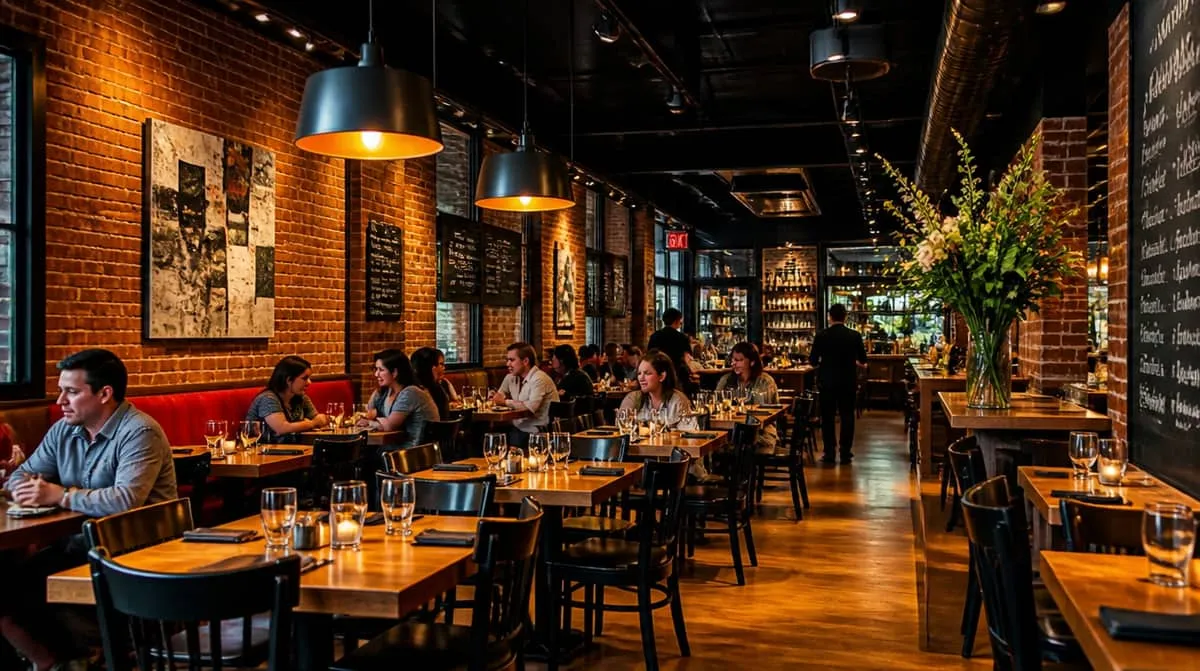
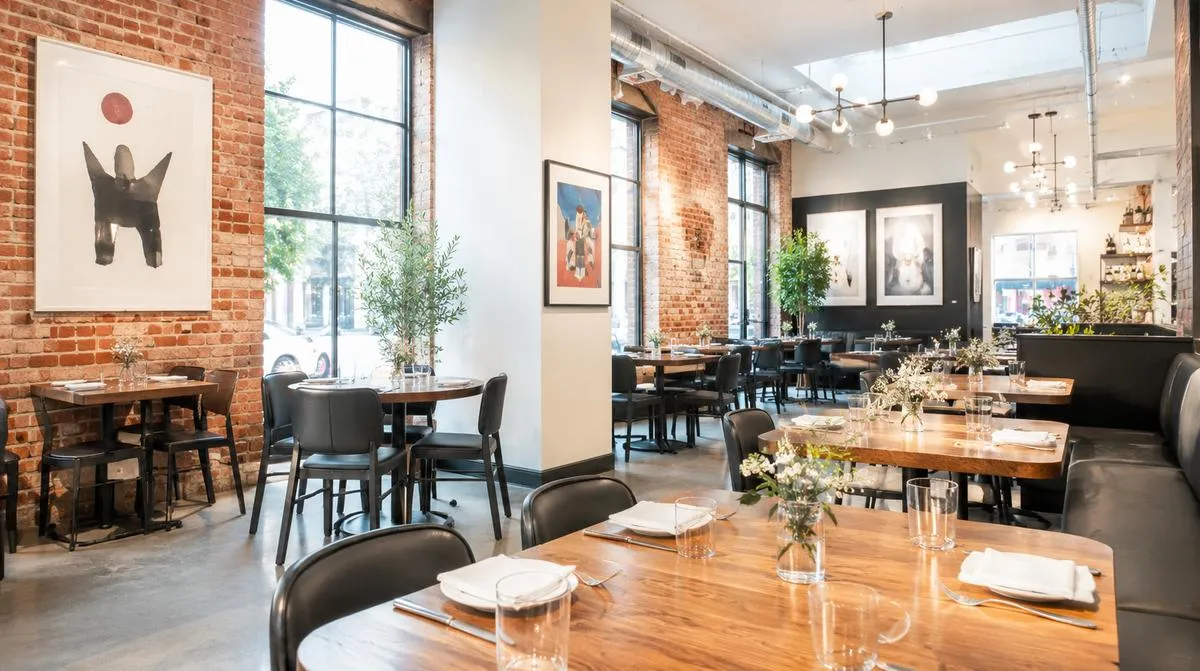
The Short North sets the tone for Columbus restaurant design. The neighborhood's identity creative, arts-forward, locally rooted has shaped what guests expect when they walk through the door. Exposed brick walls, Edison-style pendant lighting, reclaimed wood table surfaces, and mixed-metal accents are not decorative choices here; they are baseline expectations. Operators who fall short on interior design lose guests to the next block.
Dining chairs in this corridor tend toward metal-frame designs with wood or upholstered seats pieces that read as handcrafted or artisan-adjacent without being fragile. Stack-ability matters for operators who reconfigure for private events or large-party bookings, which happen regularly in a neighborhood that hosts gallery openings, pop-up dinners, and neighborhood festivals throughout the year.
Downtown restaurants near the Convention Center serve a different primary audience: conference attendees and corporate lunch crowds from Nationwide, Limited Brands, and the city's growing tech sector. These spaces often need to transition from business lunch to dinner service without a lengthy reset, which puts a premium on versatile seating dining chairs that work for both a working lunch and a client dinner, table bases that hold steady under the kind of shuffling a convention crowd generates.
Easton Town Center adds a third dynamic: suburban dining anchored by major retail traffic. Restaurants here operate at volume and need furniture that survives the constant turnover of a high-traffic suburban dining environment while still presenting well enough to compete with the upscale retail brands surrounding them.
Ohio State game weekends are in a category of their own. On home game Saturdays, Columbus restaurants within several miles of campus and along the High Street corridor can see double or triple their normal covers. Furniture that loosens, wobbles, or shows wear under that kind of compression creates operational problems and negative reviews. Contract-grade construction is not optional here.
Design Aesthetic and Furniture Specifications
Columbus's dominant restaurant design language borrows from its creative neighborhood roots. Warm wood tones oak, walnut, and reclaimed pine dominate table surfaces and chair frames. Metal accents lean matte black or brushed brass. Upholstered seating, when used, favors textured performance fabrics in earth tones, dusty greens, and warm neutrals rather than loud colors.
Barstools at island counters and bar rails are a critical specification in Columbus's bar-forward restaurant culture. Many Short North restaurants operate a significant portion of their capacity at the bar or counter, which means barstools take a disproportionate share of daily use. Look for footrest reinforcement, welded (not bolted) joint construction, and seat materials rated for commercial use not residential bar stools that look similar but fail within a season.
Patio adjacency matters in Columbus's warmer months. Short North restaurants with sidewalk or courtyard seating often need outdoor-rated versions of their interior chairs to maintain a cohesive visual identity across indoor and outdoor spaces. Confirm with your supplier whether powder-coat finishes and fabric choices are UV- and moisture-rated before signing off on specifications.
Procurement Timeline and Project Coordination
Restaurant furniture lead times in Columbus typically run eight to twelve weeks for standard catalog specifications, longer for custom finishes or upholstery. For new restaurant openings, this means furniture orders should be placed well before construction completion ideally at permit approval, not at drywall.
For operators replacing furniture in phases common in high-volume Short North restaurants where going dark for renovation is not financially viable staggered orders require a supplier who can hold stock or match finishes across multiple production runs. Confirm finish lot consistency upfront to avoid visible variation between old and new pieces.
For Columbus properties comparing restaurant furniture options, project-specific pricing tells you more than any published range. Request a quote and we will scope it to your space and volume.
Related reading
- What is contract furniture
- Hotel furniture supplier guide
- Hospitality furniture supplier guide
- Commercial dining chairs
- Contract barstools
- Lounge seating for restaurant waiting areas
- Commercial furniture in Ohio
Our take
Ohio State game Saturdays get the attention in this post as the durability driver, and fairly so. But the spec angle it underplays is mobility rather than raw toughness, and it is specific to the Short North. That corridor runs a steady calendar of gallery openings, the monthly Gallery Hop, pop-up dinners, and neighborhood festivals, all of which mean the same dining room is reconfigured for private events and large parties far more often than a typical restaurant. Furniture there earns its keep by being stackable and easy to gang and move cleanly, not just by surviving a full house. The post mentions stackability once; in the Short North it is closer to a primary requirement than a nice-to-have.
The bottom line: A good design-and-durability brief for Columbus restaurants. Short North operators should prioritize stackable, easily reconfigured seating, since the neighborhood's event calendar means frequent room resets, not just game-day peaks.