Renovating a hotel in Rapid City comes with a scheduling constraint that operators in less seasonal markets do not face in the same way. The window to complete a full FF&E replacement without cutting into peak Black Hills tourism season is narrower than it looks on paper once you account for lead times, freight into western South Dakota, and installation logistics inside an occupied or partially occupied property. Getting the sequence right, and starting early enough, determines whether the renovation is finished before the next summer season or spills into it.
Planning the Timeline Around the Tourism Season
Most Rapid City hotel renovations aim to wrap before late spring, when Black Hills and Mount Rushmore travel demand ramps up and occupancy climbs across the market. Working backward from that date, contract furniture lead times of 10 to 16 weeks for domestic production, longer for custom work, mean specification and purchase order decisions need to happen in the fall or early winter for a property targeting a spring completion. Properties that wait until January to start the FF&E process are already behind, especially once freight transit time into the region is factored in.
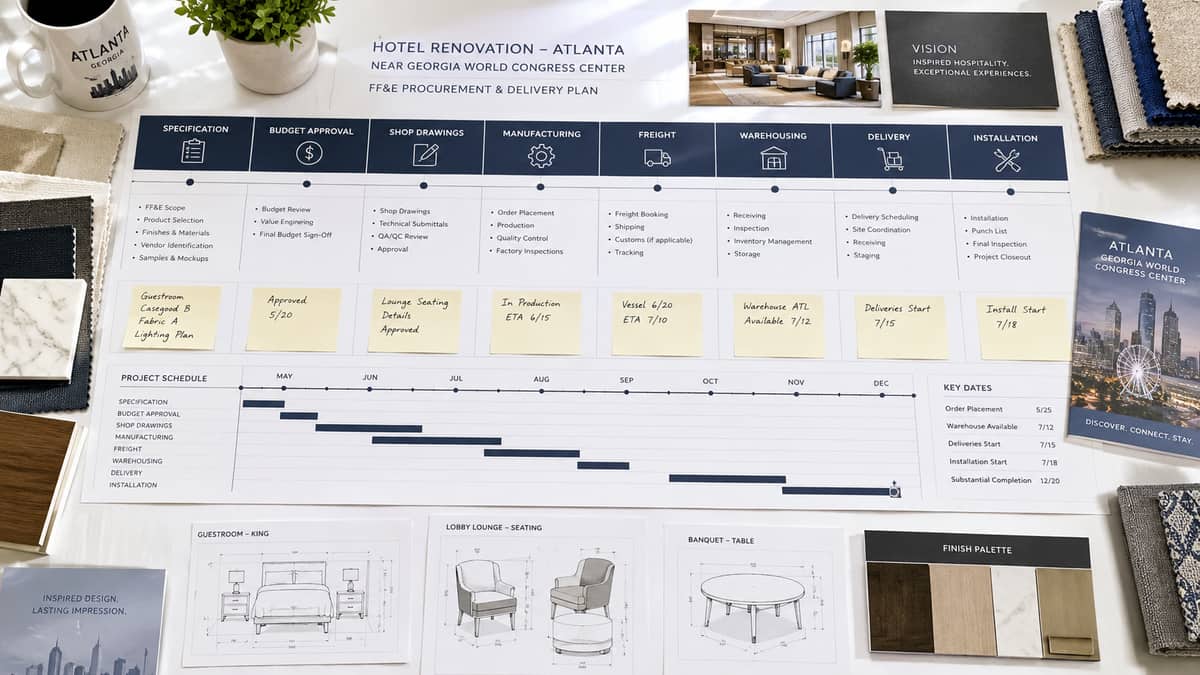
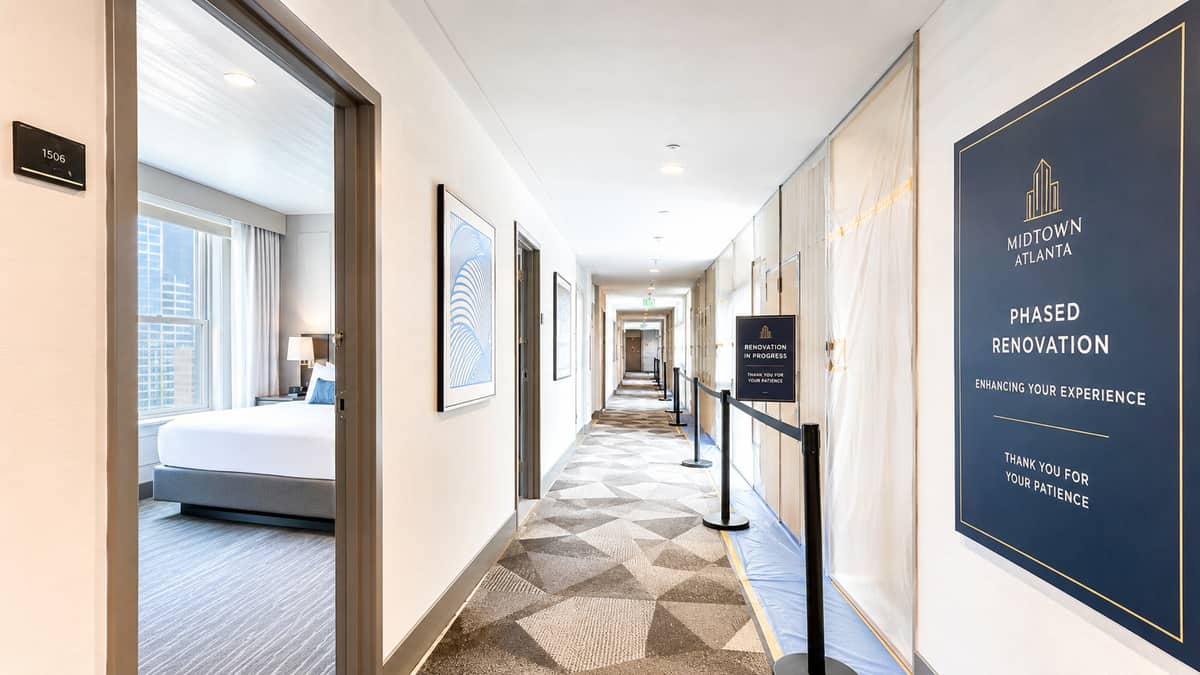
Phased renovation, working floor by floor or wing by wing while keeping part of the property open, is the standard approach for a Rapid City hotel that cannot afford to close entirely during a shoulder season. That approach requires a supplier who can deliver in coordinated batches rather than a single bulk shipment, and who can hold inventory for later phases without creating storage headaches on a tight downtown or interstate corridor site.
Coordinating Installation in an Occupied Property
White-glove delivery and installation matters more in a renovation than in new construction, because the crew is working around active guests, existing furniture removal, and disposal logistics on the same timeline as the new installation. Elevator scheduling, loading dock access, and noise restrictions during guest hours all need to be planned with the supplier before the first truck arrives.
Ask every supplier you evaluate a direct question, have they delivered to occupied hotel properties in Rapid City or a comparable seasonal tourism market specifically? What is their protocol for white-glove installation in active buildings? If the answer is vague, that is a clear signal. You need operational experience with occupied-property logistics, not just a product catalog and a freight quote.
Matching New Furniture to Renovation Scope
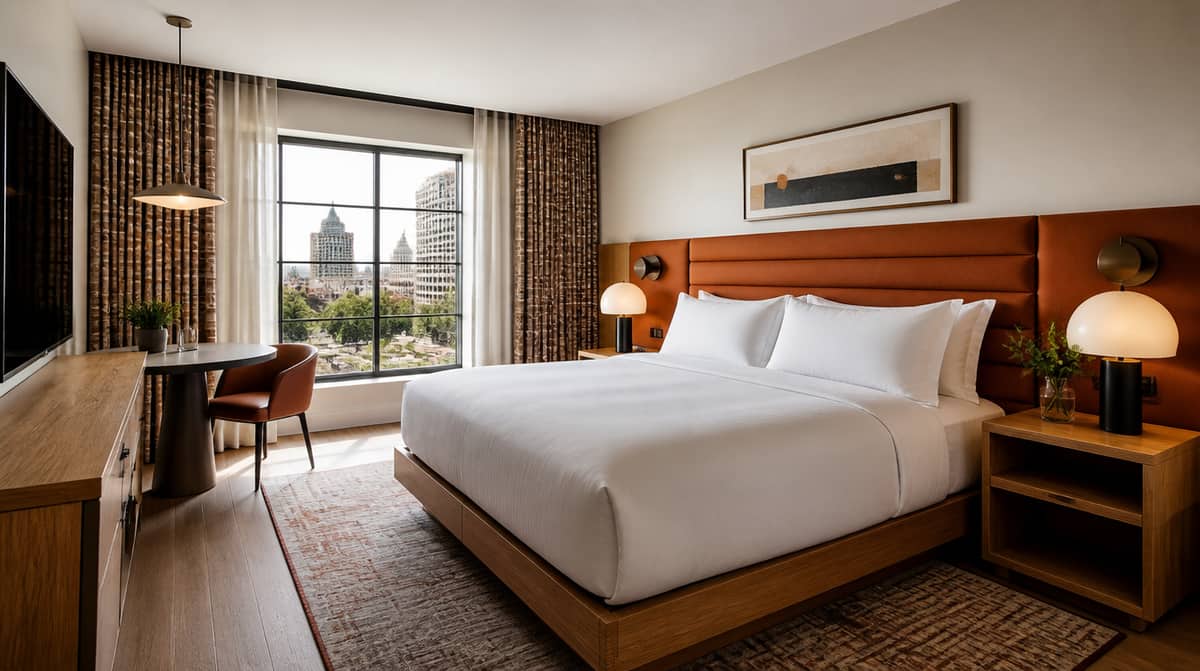
A full renovation gives you the freedom to change the design direction entirely, while a partial refresh needs new furniture that reads as intentional next to whatever is staying in place. Casegoods, dressers, nightstands, and headboards are the pieces most commonly replaced in a partial refresh because they show wear fastest and have the biggest visual impact per dollar spent. Soft seating and mattresses typically follow on a shorter replacement cycle regardless of the broader renovation scope.
Building the Right Renovation Timeline
The difference between a hotel renovation that opens on time and on budget and one that drags into peak season usually comes down to the procurement decisions made in the first four weeks of planning. Treat FF&E as a core operational workstream from day one, request a project quote with your target completion date clearly stated, and build in a buffer for the freight realities of a western South Dakota project.