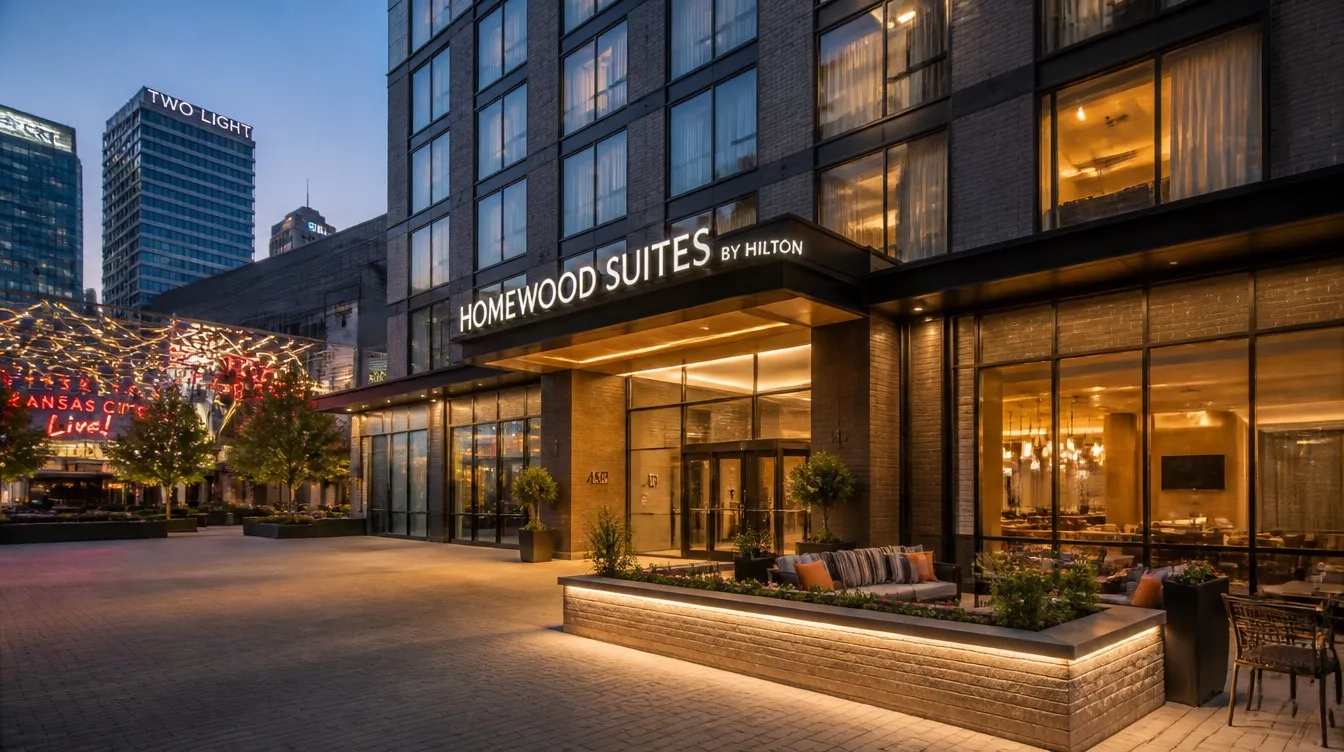
Cedar Rapids' hospitality market keeps building at a pace that outstrips what most operators expect from a mid-size Midwest metro. Corporate and manufacturing employers keep the downtown business-hotel pipeline steady. The downtown convention and event complex keeps a consistent flow of regional conferences moving through permitting and design for adjacent hotels. NewBo and Czech Village have reset the standard for what an independent restaurant and taproom buildout looks like in this city. If you are developing or refreshing a property here, the procurement challenge is not finding furniture, it is locking in specifications, managing lead times, and coordinating delivery against a construction schedule that will not wait for you.
What FF&E Covers on a Cedar Rapids Project
FF&E stands for furniture, fixtures, and equipment. In a hotel context, that is your guestroom beds, nightstands, desks, and chairs. It is your lobby lounge seating, the banquettes in your restaurant, bar stools at your lobby bar, and decorative lighting fixtures throughout public spaces. In a restaurant-only project, it covers dining tables, all seating, host stands, and any fixed booth or banquette construction procured through the furniture budget rather than the general contractor.
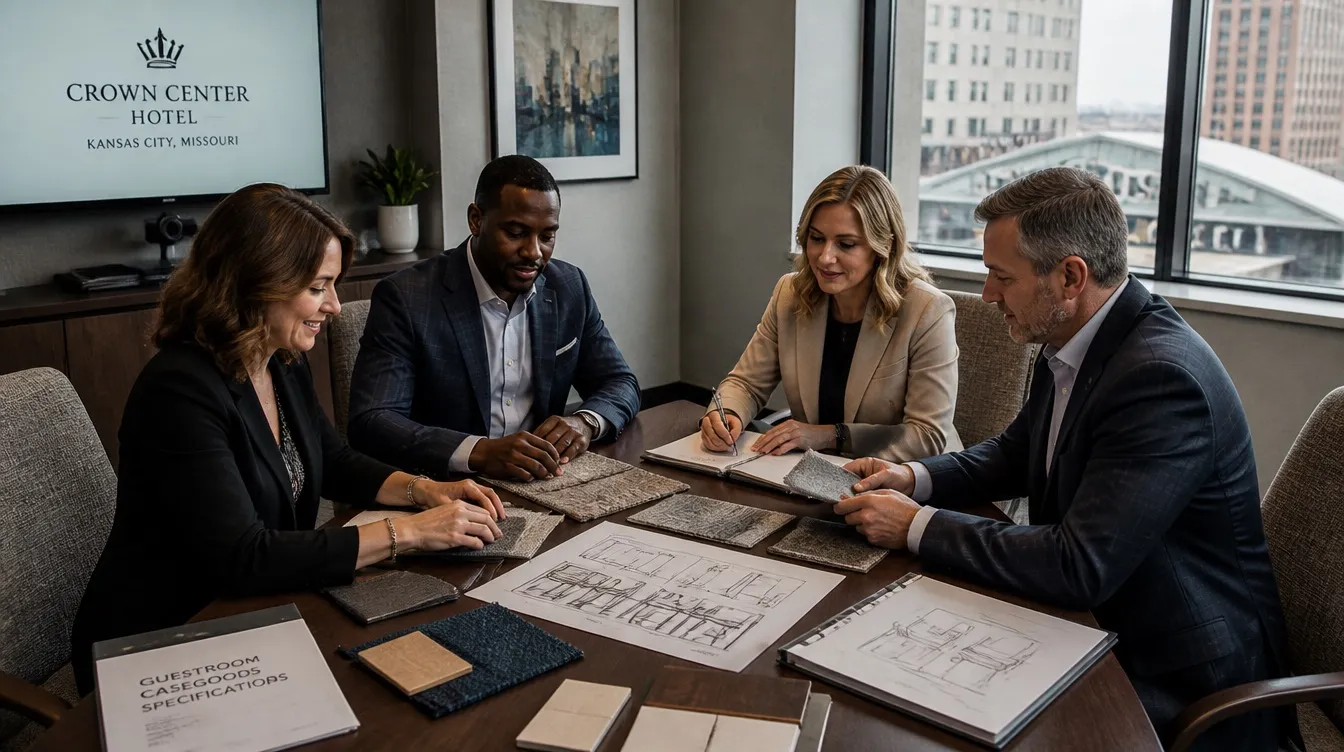
What FF&E does not cover is OS&E, operating supplies and equipment. That category handles linens, dishware, glassware, kitchen smallwares, and anything with a short replacement cycle. The line matters because FF&E is a capital expenditure managed by your development or ownership team, while OS&E is an operational cost managed by whoever is running the property. On a large Cedar Rapids project, a downtown convention hotel or a multi-outlet restaurant buildout, the FF&E budget can run well into six figures. Treating it like a procurement afterthought is how projects go sideways.
Get your FF&E scope defined in writing before you engage any vendors. A clear scope document keeps your interior designer, procurement agent, and general contractor working from the same definitions.
How the Cedar Rapids Market Shapes Procurement Timelines
Cedar Rapids hospitality operators are often surprised by how quickly the procurement clock runs. Contract furniture manufacturers, particularly those producing custom upholstered seating or branded casegoods, carry lead times of 14 to 22 weeks from confirmed purchase order to delivery. Custom work, distinctive pieces that reflect a specific design identity, pushes those timelines to 28 weeks or beyond.
For a downtown business hotel, a boutique property near NewBo, or a restaurant buildout in Czech Village, your procurement process needs to begin well before construction is complete. The practical sequence looks like this: specifications locked during the design development phase, bids issued two to three weeks later, purchase orders placed no later than 20 to 22 weeks before your target delivery date, and delivery phased into the property zone by zone as construction turns over.
Cedar Rapids' convention calendar creates an additional pressure point. When major events land at the downtown convention complex, hotel room demand spikes sharply. If your opening date is tied to a major convention window, a procurement delay does not just cost you days, it costs you the rate premium that came with that date.
Working With Designers and Procurement Agents
Most Cedar Rapids hospitality projects involve three parties: an interior designer setting the aesthetic vision, a procurement agent managing vendors and purchase orders, and you as the owner holding the budget and the deadline. The dynamic between those three parties determines whether your project opens on time or spends its final weeks in crisis mode.
The most consistent mistake in Cedar Rapids projects is engaging the procurement agent too late. If you wait until design is fully resolved before asking about pricing and lead times, you will be redesigning pieces under time pressure, substituting product at the last minute, and sometimes pushing your certificate of occupancy. Bring your procurement agent in during schematic design, when specifications are still flexible enough to value-engineer without damaging the concept.
What Your Budget Should Account For
FF&E budgets for Cedar Rapids hospitality projects vary by property tier and design complexity. Several line items reliably catch operators off guard. Freight from domestic contract furniture manufacturers adds 8 to 12 percent on top of product cost, and a Midwest metro at Cedar Rapids' scale can see slightly longer transit windows than furniture shipping directly to a coastal hub. White-glove delivery and installation, often contracted separately from the furniture purchase itself, runs another 5 to 8 percent. Storage costs come into play when your furniture is ready before your construction site is, which happens more often than project schedules acknowledge.
Build a contingency of at least 10 percent into your FF&E budget from the start. That buffer lets you absorb surprises, including winter freight delays, without making procurement decisions under financial duress.
The properties that open on time and on budget in Cedar Rapids are the ones that started procurement early, respected lead times, and kept the designer and procurement agent in constant communication throughout the process.