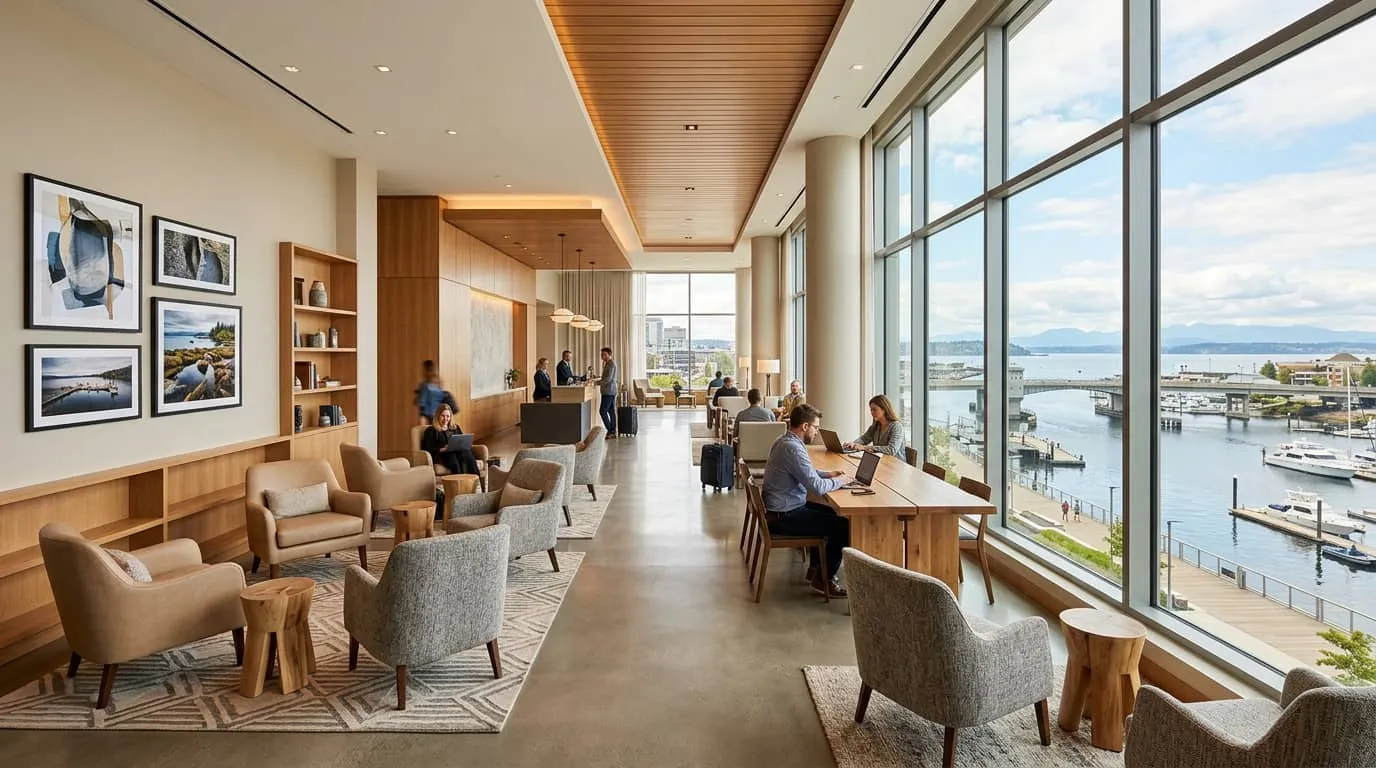
Tacoma's commercial furniture market has matured along with the city's hospitality industry. The growth of the arts and cultural tourism sector, the convention business anchored by the Greater Tacoma Convention Center and Tacoma Dome, and the development of genuine boutique hotel concepts along the waterfront have created operators who know the difference between a commercial furniture supplier who understands the hospitality contract market and a retail dealer who has expanded their catalog.
That distinction matters because the performance requirements for Tacoma's hotel and restaurant applications are fundamentally different from residential use, and a supplier who does not understand those requirements will not catch the specification gaps that cause furniture to fail prematurely in commercial environments.
What Defines a Legitimate Commercial Furniture Supplier
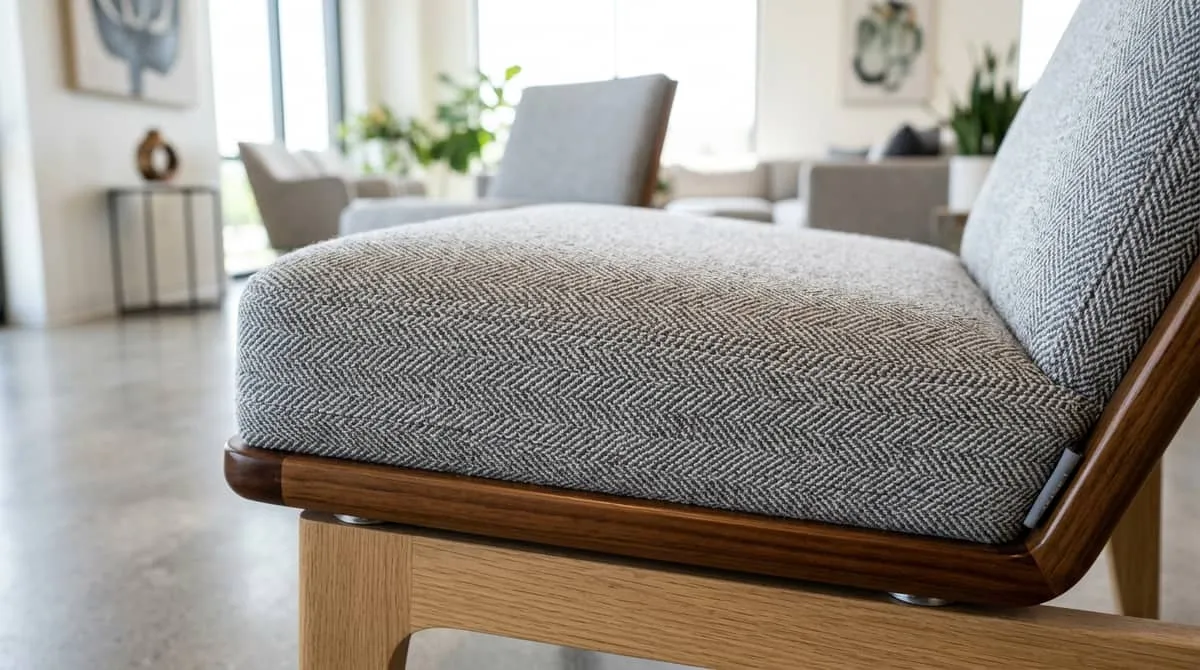
A legitimate commercial furniture supplier for Tacoma hospitality projects answers specific performance questions without being prompted. When you ask about a lobby chair, they tell you the frame cycle count rating, the fabric Wyzenbeek double rub count, the foam density specification, and the construction method for the frame and seating system. They have documentation available, test reports, warranty terms, specification sheets, and they provide it promptly.
A retail dealer describing themselves as commercial will default to catalog photos and pricing. When you ask about performance specifications, the answer is vague or redirects to aesthetics. That is a reliable signal that you are talking to the wrong kind of supplier for a hotel or restaurant project in Tacoma.
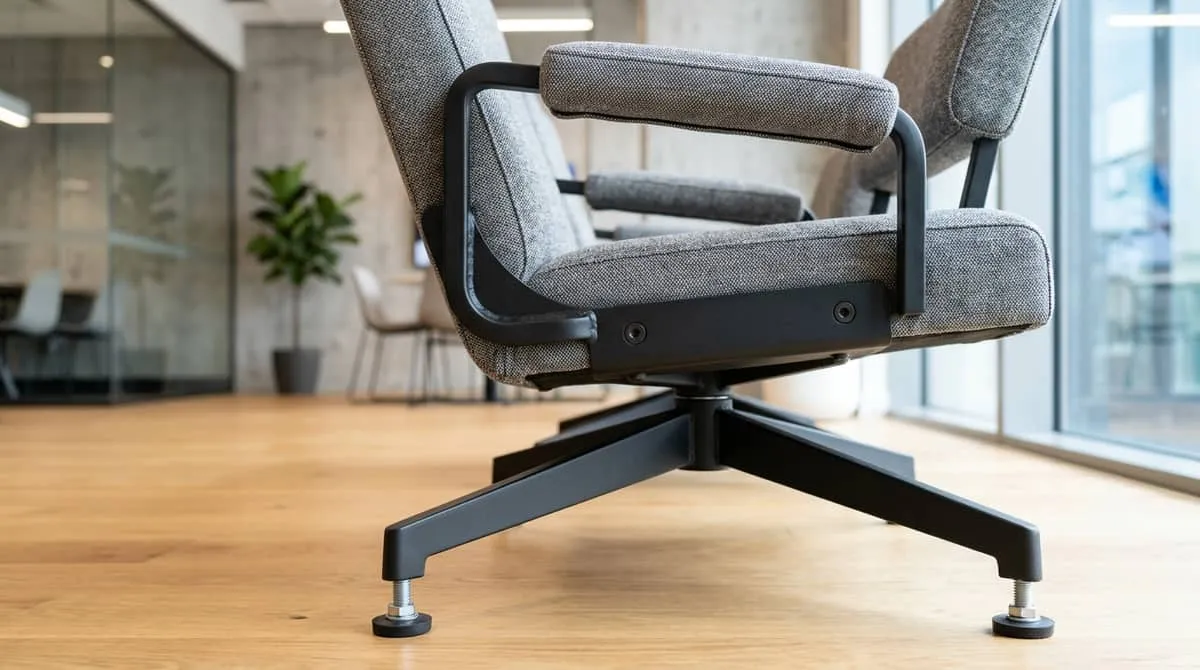
The performance difference between contract-grade and residential-grade furniture is not marginal. A contract-grade lobby chair is tested at 100,000 sit cycles; the residential equivalent is tested at 15,000 to 20,000. A contract-grade dining chair is tested at 250,000 cycles under ANSI/BIFMA standards; residential dining chairs are tested at 10,000 to 15,000. Upholstery rated at 50,000 Wyzenbeek double rubs will outlast residential fabric by years in a commercial environment. These differences directly determine how long your furniture investment holds up before requiring costly replacement.
Categories of Commercial Furniture for Tacoma Projects
The commercial furniture categories for a full Tacoma hotel project span multiple specification disciplines:
Guestroom packages, headboards, nightstands, dressers, desks, desk chairs, and luggage benches. This category requires case good construction expertise and upholstery specification knowledge. The supplier needs to understand how these pieces perform in a real hotel environment.
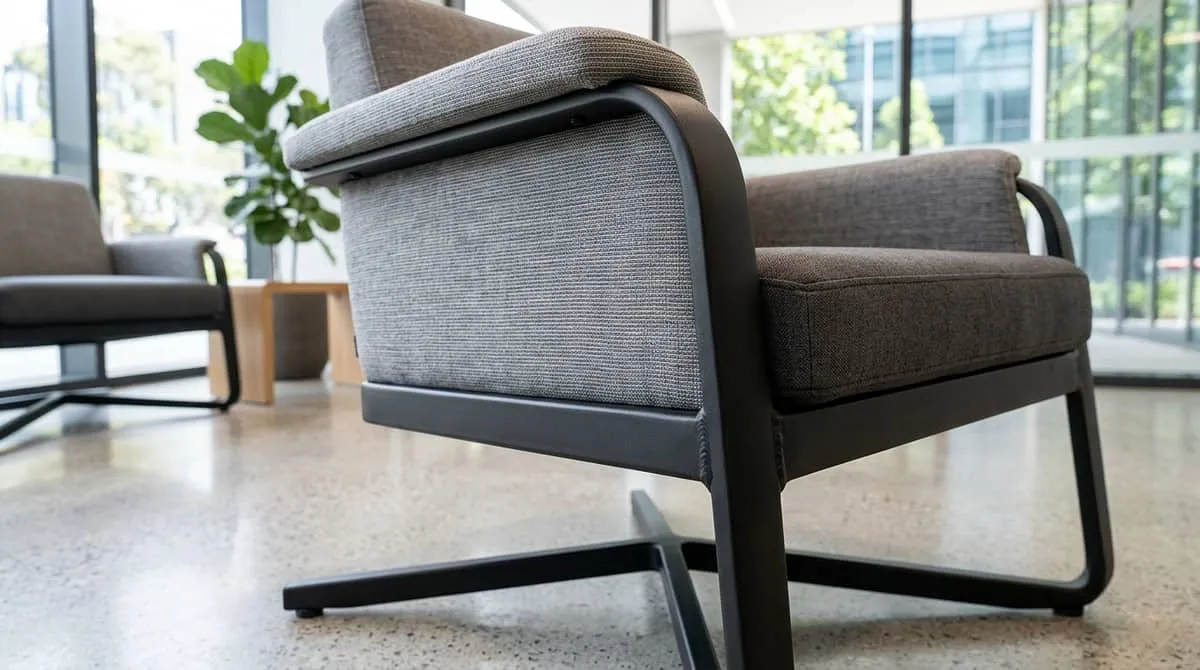
Public space seating, lobby lounge and social seating, F&B dining chairs and bar seating, conference and meeting room chairs. This is the highest-visibility category and the one most affected by the design direction. The right supplier holds both the commercial performance knowledge and the design capability simultaneously.
Outdoor and patio furniture, dining and lounge seating for waterfront patios, hotel terraces, and pool decks. Tacoma's marine environment makes material selection especially important: aluminum, solution-dyed acrylic, and marine-grade hardware are the specification standards, not suggestions.
Banquet and event furniture, stacking chairs, folding tables, and cocktail tables for the hotel ballrooms and event venues serving Tacoma's active event market. This is a specialized category where durability, stack ratings, and operational ease matter as much as appearance.
Evaluating Suppliers for a Tacoma Project
The evaluation process for a commercial furniture supplier for a Tacoma project should start with references from comparable hospitality projects in the Pacific Northwest. A supplier who has furnished comparable Tacoma, Seattle, or Puget Sound hotel or restaurant projects has demonstrated an ability to manage Pacific Northwest market requirements, design sensibilities, and logistics realities.
Request project case studies with enough detail to be useful, project scope, timeline, what went wrong and how it was resolved, and what the operator says about the relationship over time. Suppliers who cannot produce this kind of reference are either new to the market or have not had projects go well enough to reference.
Evaluate the specific proposal on specification accuracy before evaluating price. A proposal that meets your specification at a higher cost may be a better value than a lower-cost proposal that misses the specification, because the below-spec furniture will require earlier replacement. The total cost of ownership over a renovation cycle is the right comparison, not the purchase price alone.
Logistics and Timeline Management in Tacoma
Tacoma's proximity to the Port of Tacoma and the I-5 freight corridor provides genuine logistics advantages over inland Pacific Northwest markets. Import container deliveries from Pacific Coast ports may arrive with shorter transit windows than comparable deliveries to Spokane or Boise. Domestic freight from Pacific Northwest manufacturers benefits from the I-5 corridor routing.
Those advantages are real but do not eliminate the need for timeline planning. Build freight transit into your project schedule as an explicit line item, and confirm with your supplier exactly what the quoted lead time covers, door-to-door to your Tacoma facility or manufacturer-to-distribution-point. The difference can be two to four weeks, which is meaningful in a hotel renovation schedule.

Schedule your delivery and installation window with your FF&E installation contractor before procurement begins. Furniture that arrives on schedule but waits two weeks for an installation crew to become available is a logistics failure that planning can prevent. In Tacoma's active construction market, experienced installation crews book several weeks out during peak seasons.
Ready to spec commercial furniture for your Tacoma project? Send us the details and we will price it around your requirements. Request a quote to start.