Boutique hotels in Memphis occupy a unique position in the Southern hospitality market. They aren't competing with the Marriotts and Hiltons for the FedEx corporate account they're competing for the design-conscious traveler who specifically chose Memphis for its cultural identity, who wants a room that feels like this city and no other. Getting the furniture program right is not optional in that value proposition. It is the product.
South Main Arts District: Memphis's Boutique Hotel Corridor
The South Main Arts District has become the geographic center of Memphis boutique hospitality. The neighborhood's combination of 19th- and early 20th-century brick commercial buildings, working artist studios, independent galleries, and walkable street life creates exactly the conditions that boutique hotels need to succeed a neighborhood worth staying in, not just sleeping in.
Properties in South Main compete aggressively on design. Reviews on booking platforms consistently cite room aesthetics and common-area atmosphere as primary drivers of both booking decisions and post-stay ratings. This means furniture is a direct revenue driver, not a capital expenditure to be minimized.
Lounge chairs in this context need to do two things at once: be genuinely comfortable for extended sitting (guests in boutique properties tend to spend more time in rooms than their select-service counterparts) and be photographable. The Instagram and Google Photos effect on boutique hotel bookings is well-documented a deep blue velvet lounge chair in a walnut frame next to warm-toned lighting is worth more than any paid social ad if guests photograph and share it.
Beyond South Main, boutique properties are opening near Beale Street to capture music tourism directly. These properties face a harder design challenge: they need to reference Memphis blues history without becoming a theme park. The distinction lies in restraint referencing the era's palette and materials rather than hanging neon guitars on every wall. Deep jewel tones, vintage-inspired hardware, and upholstery that evokes mid-century club seating achieve the historical resonance without the kitsch.
The medical corridor near St. Jude has also generated boutique demand as families seeking alternatives to generic extended-stay options look for properties with more character and comfort. For these guests, furniture comfort and durability under extended use matter as much as aesthetics.
Guestroom Furniture Specifications for Memphis Boutique Properties
Memphis boutique guestrooms typically run smaller than branded hotel rooms a function of the historic building stock common in South Main and Midtown. This makes furniture scale and proportion critical. Oversized casegoods and bulky upholstered pieces make tight rooms feel oppressive; well-scaled pieces in rich materials feel intentional and considered.
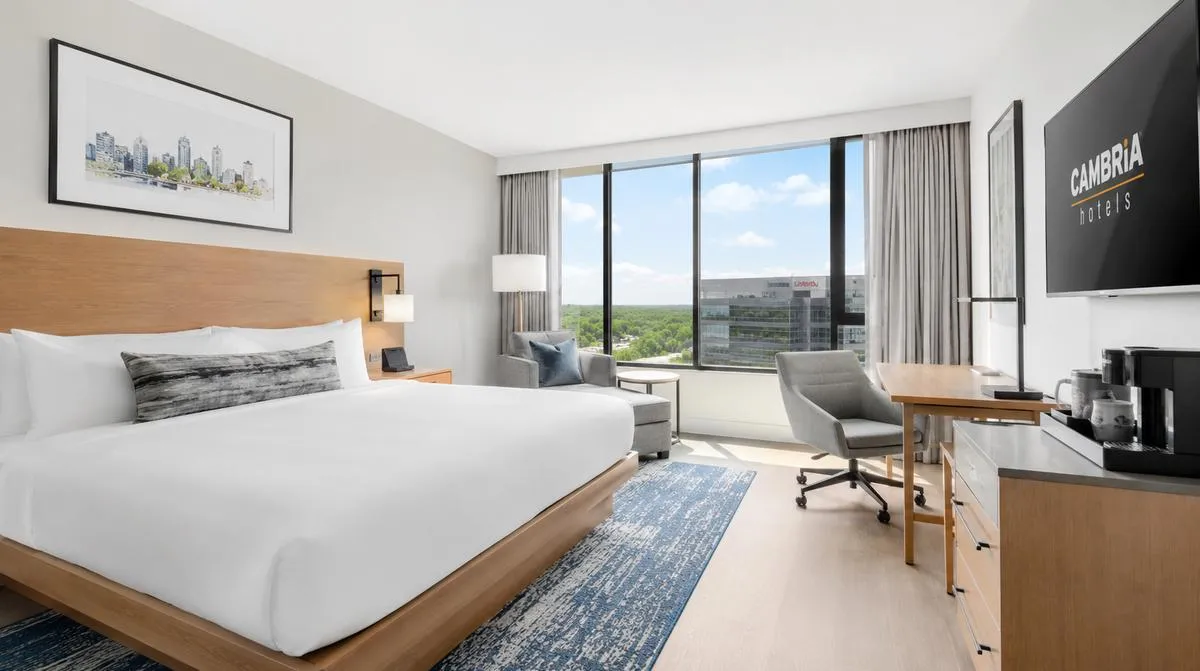
Headboards are the single most important piece in a Memphis boutique guestroom. A channel-tufted headboard in midnight blue or deep burgundy velvet, sized to fill the wall appropriately, transforms the room's identity at a fraction of the cost of a full FF&E replacement. Pair with dark walnut nightstands and a side chair in a complementary tone to complete the vignette.
Sofas and settees in junior suites and larger king rooms anchor the sitting area. In Memphis boutique properties, a two-seat settee in cognac leather or a small sofa in tufted forest green performs far better aesthetically than a standard loveseat in neutral fabric. The investment difference is modest; the design impact is significant.
Specify COM (customer's own material) programs when possible boutique operators often want to match specific paint or accent tile colors in their rooms, and COM capability lets furniture and finishes coordinate rather than approximate.
Common areas in boutique properties carry the brand identity for guests who haven't yet reached their room. Lobby seating clusters that feel like a curated living room not a hotel lobby are the goal. Mix a leather sofa with a velvet accent chair, ground the cluster with a low table in dark walnut or blackened steel, and the result reads as thoughtfully composed rather than furniture-catalog assembled.
Procurement for Small Boutique Projects
Boutique hotel projects typically involve lower unit counts than branded properties, but they require higher specification and customization which means lead times can actually run longer per piece. Custom velvet upholstery, COM fabric orders, and specialty wood finishes require 10 to 14 weeks in most cases. Phase the procurement schedule with your interior designer from the project's outset, not as an afterthought once finishes are selected.
Planning boutique hotel furniture for your Memphis project? Share your specs and quantities and we will build pricing around your actual program. Request a quote to get numbers for your space.